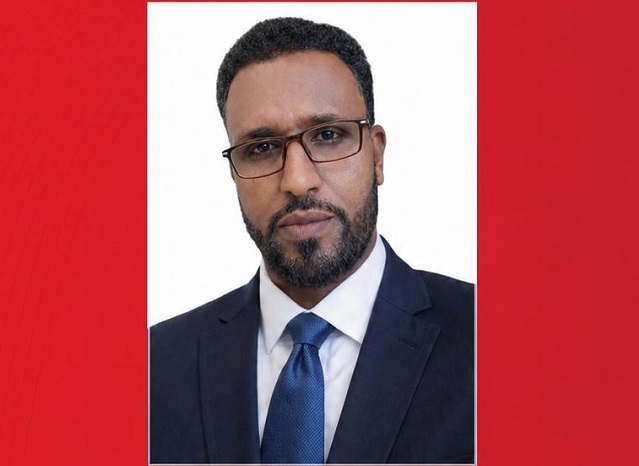
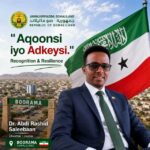
By Dr Abdirashiid Saleban Amare.
In May 1991, following the collapse of the government of Mohamed Siyaad Barre and the downfall of the Somali Republic, the independence of Somaliland was re-declared in the city of Burao. This was carried out by the Somali National Movement (SNM) in consultation with traditional elders, annulling the voluntary union with Somalia that had been formed in 1960.
The early years were a period focused on peacebuilding. A series of major conferences were held, the most notable being the Borama Conference in 1993. These conferences, which involved traditional elders, religious scholars, and community leaders, established a broad-based social consensus and laid the foundation for a new system of governance that blended modern administration with traditional frameworks.
This new system formally integrated an Upper House of Elders (the Guurti), responsible for conflict resolution and safeguarding security. A unified national army was also established, which prevented the country from descending into the chaos and civil war that engulfed other regions. In 2001, a referendum was held to approve the new Somaliland constitution, which established a foundation for a multi-party democratic system and formally supported Somaliland’s independence.
The Democratic Dawn and Elections (2002-2017)
In 2002, the first-ever district council elections were held, followed by the historic presidential election in 2003. It was extremely tight, won by just 80 votes, but it demonstrated Somaliland’s democratic maturity, with the outcome being accepted peacefully.
-
2005: The first parliamentary elections (for the House of Representatives) were held.
-
2010: The presidential election led to the region’s first peaceful transfer of power, with Ahmed Mohamed Mohamud “Silanyo” (Kulmiye) defeating the incumbent president, Dahir Rayale Kahin (UDUB).
-
2017: Another free presidential election took place, with Muse Bihi Abdi (Kulmiye) succeeding Silanyo, further consolidating confidence in Somaliland’s democracy.
Overall, these elections were described as free and fair, often employing advanced technology like biometric iris registration to prevent fraud. Somaliland’s economy, despite lacking international recognition, relied on livestock exports, trade, and remittances from the diaspora, with the business community driving development in industry and telecommunications.
Geopolitical Shifts and Recognition by Israel (2018-2026)
This period marked a significant change in Somaliland’s international standing. In January 2024, Somaliland signed a memorandum of understanding with Ethiopia to lease 20 km of its coastline, with Ethiopia hinting at eventual recognition of Somaliland’s independence. Although this caused anger from the Somali government, it signified Somaliland’s growing strategic importance.
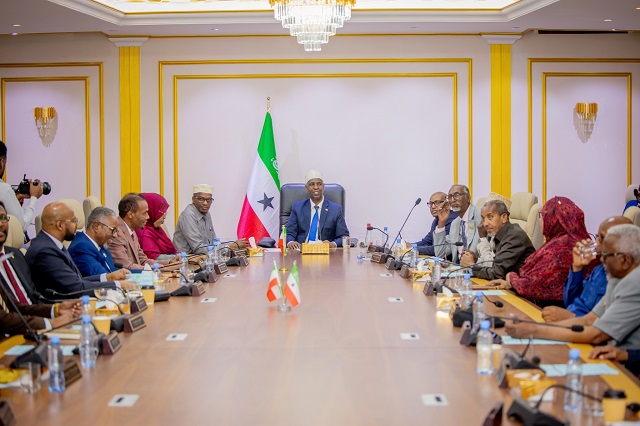
In November 2024, the presidential election was won by President Dr. Abdirahman Mohamed Abdullahi “Irro” and Vice-President Mohamed Ali Aw Abdi (Waddani). This was the fourth presidential election since 2003 and the most recent demonstration of the country’s advanced democratic processes.
Finally, historically, on December 26, 2025, Israel became the first UN member state to recognize Somaliland’s independence. This recognition was formalized by Israeli Prime Minister Benjamin Netanyahu and President Irro, with Israel citing the strategic interests of both nations. This recognition granted Somaliland formal recognition, and it is expected to open doors for international cooperation, particularly with Ethiopia and the United Arab Emirates, who have interests in recognition.
Dr Abdirashiid Saleban Amare, Boorama, Awdal, Somaliland.
Contact=+252634099969
Opinion Article from our readers and they are responsible their views.