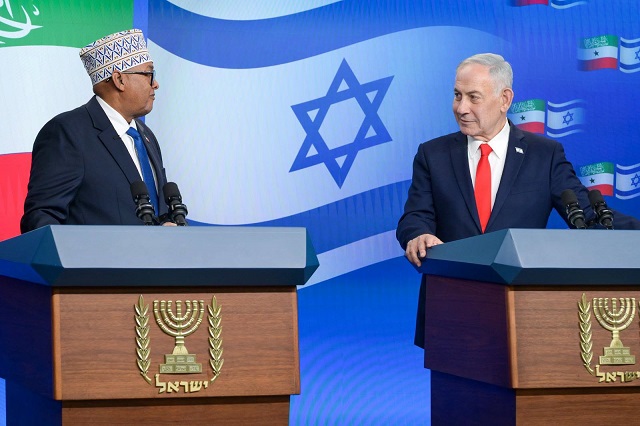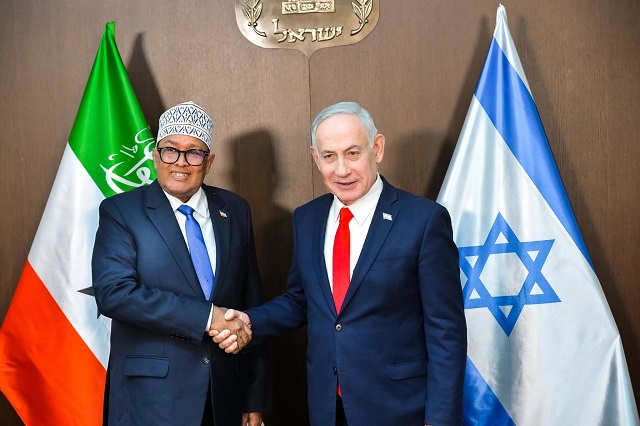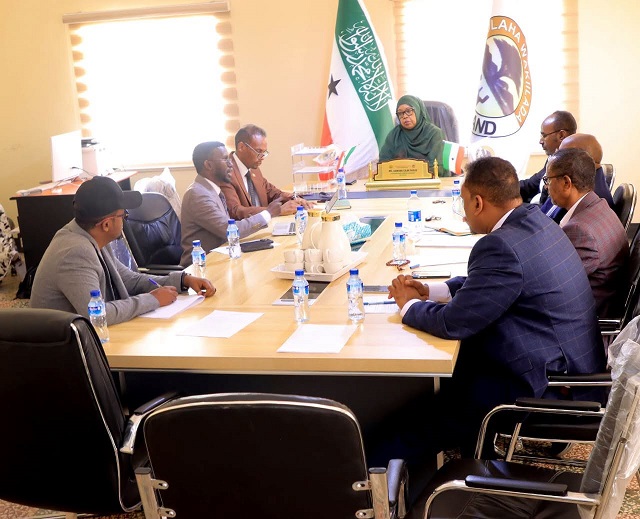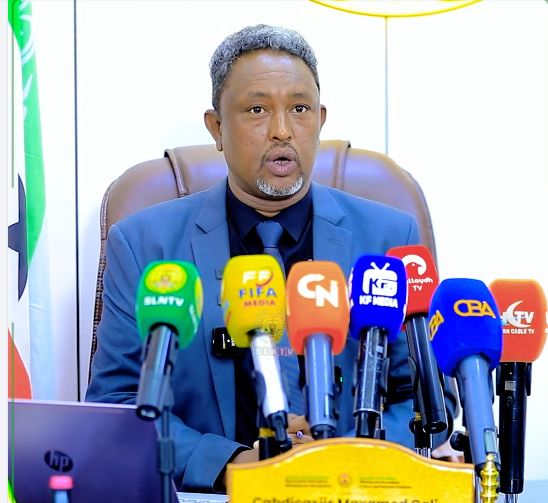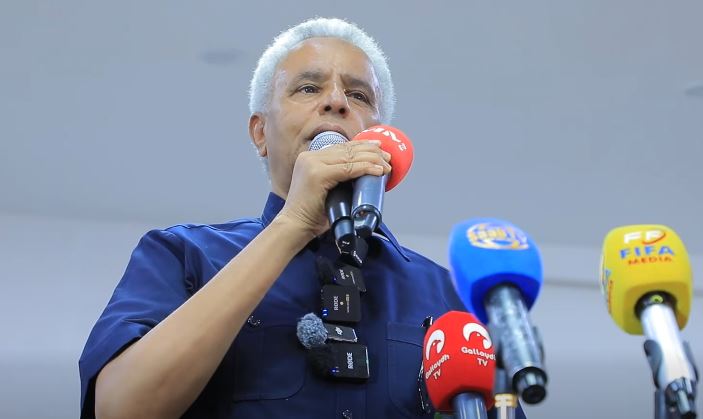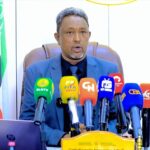
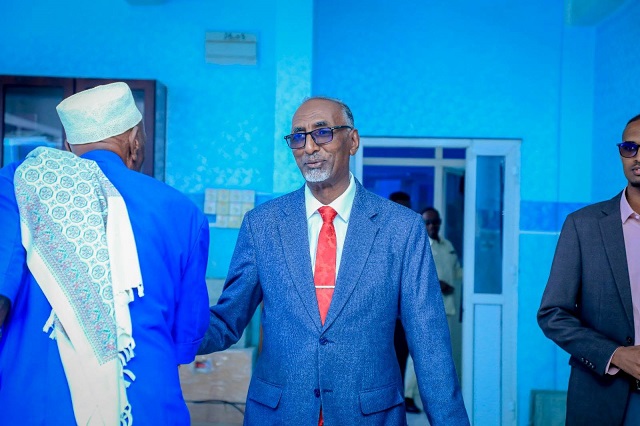
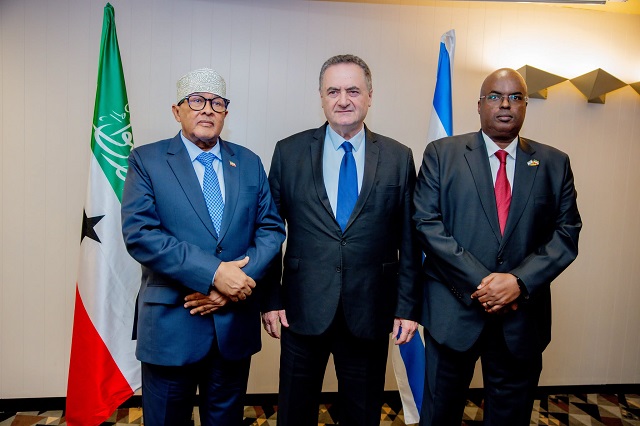
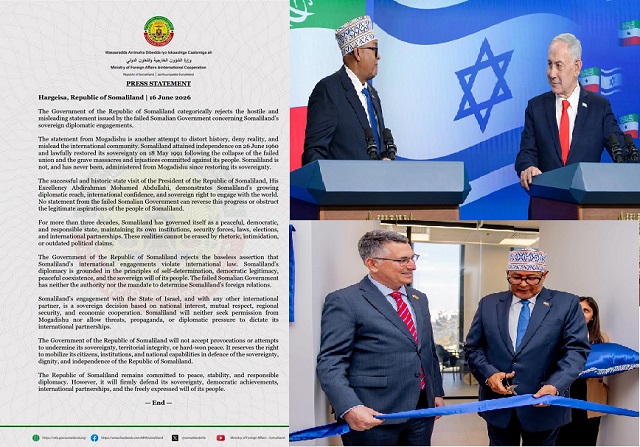
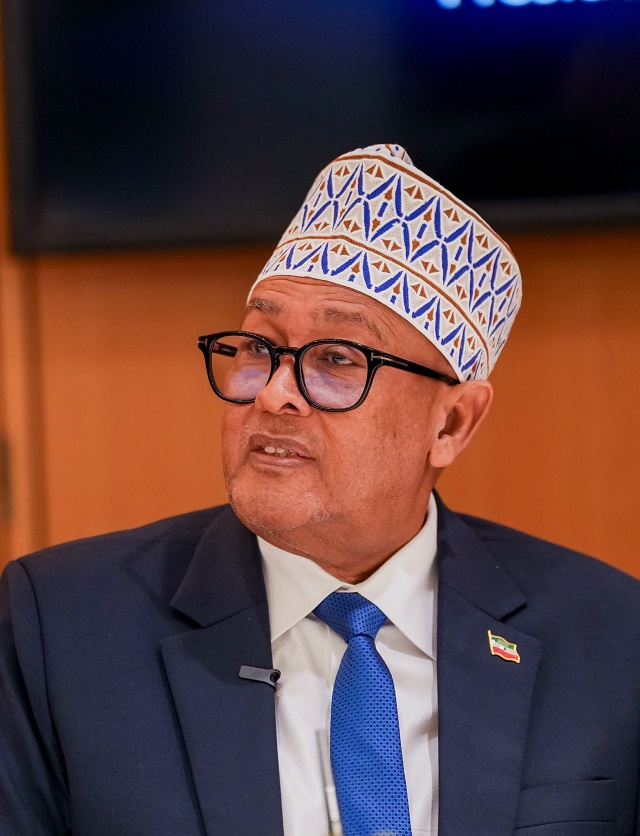

Hargeisa – (Hornpost) The Spokesperson of the President of the Republic of Somaliland, Hussein Aden Egge (Deyr), has confirmed that President Abdirahman Mohamed Abdilahi (Cirro) has dispatched official letters to leaders of 193 countries around the world — including Israel — urging them to formally recognize Somaliland as an independent sovereign state.
According to the Presidency, the letters highlight Somaliland’s democratic stability, economic progress, and legal case for statehood under international principles of self-determination.
Quote from the Presidency:
“Our message to the world is clear,” said Presidential Spokesperson Hussein Deyr.
“Somaliland is a free and peaceful nation. For more than 30 years we have built institutions, held elections and maintained stability without outside assistance. We are not seeking conflict — we are seeking recognition of a reality that already exists.”
Deyr added that Somaliland is committed to being a responsible and constructive member of the international community.
Historical Context:
Somaliland gained independence from Britain in June 1960, receiving recognition from about 35 countries, including Israel, before forming a voluntary union with the former Italian-administered Somalia.
When that union collapsed during the Somali civil war in 1991, Somaliland restored its independence and has since operated as a de facto state with its own government, currency, army and constitution.
Timeline of Somaliland’s Recognition Efforts:
1991: Somaliland reasserts independence following the collapse of Somalia’s central government.
2001: Somaliland holds a constitutional referendum; 97% vote in favor of independence.
2002–2017: Multiple presidential and parliamentary elections held, with peaceful transfers of power.
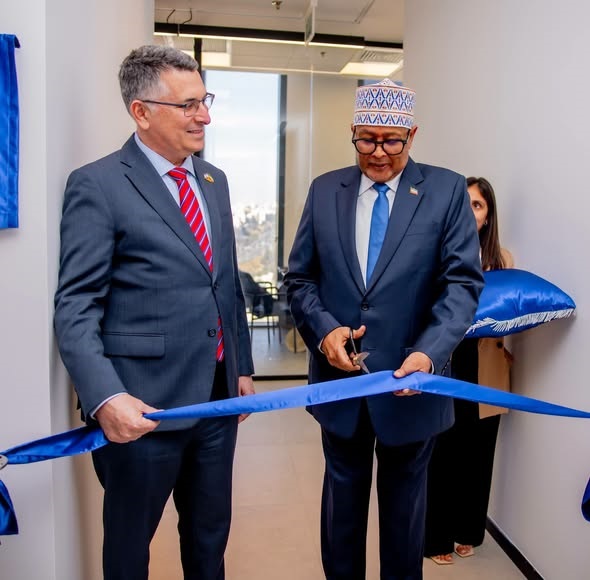
2020–2023: Increased diplomatic activity with the EU, UK, Ethiopia, Kenya and Gulf states; opening of representative offices abroad.
2024–2025: Growing geopolitical attention to the Red Sea and Horn of Africa trade routes elevates Somaliland’s visibility.
2025: President Cirro launches formal diplomatic outreach to 193 countries, the first effort of its kind by a Somaliland administration.
International Reactions:
No country has yet issued an official public response to the new letters. However:
East African diplomats say quiet dialogue is already underway in some regional capitals.
Gulf officials have increasingly discussed economic partnerships relating to ports, energy and infrastructure.
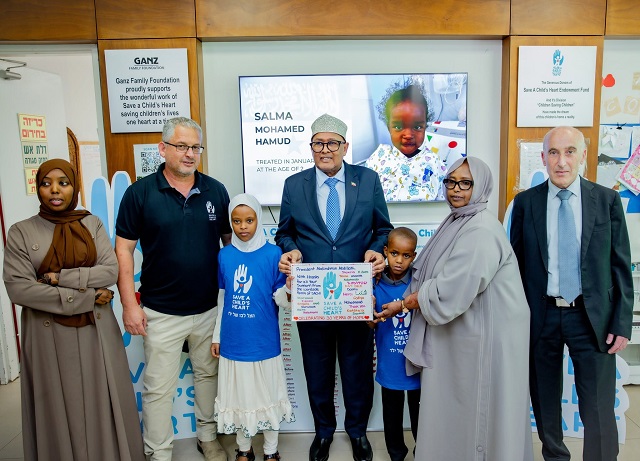
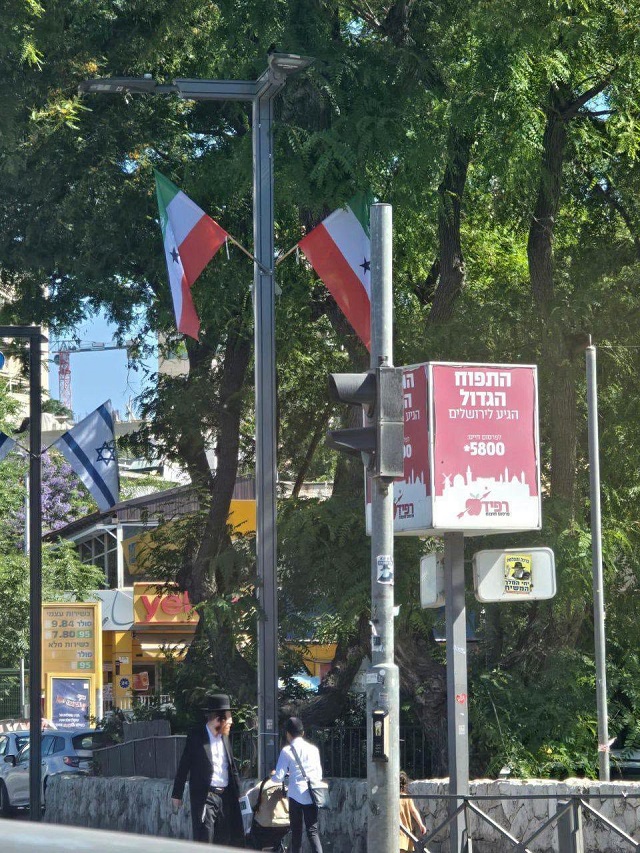
Israel’s historical recognition of Somaliland in 1960 has resurfaced in foreign policy commentary, though Tel Aviv has not confirmed any new position.
Comments from International Analysts:
Political analysts say this is Somaliland’s most ambitious diplomatic initiative in decades.
A researcher at the International Crisis Group notes:
“Somaliland’s case is legally strong. It entered and excited the union, and it has maintained stability for three decades. But recognition still depends on regional politics and African Union consensus.”
A Horn of Africa specialist at the European Council on Foreign Relations added:
“Some governments are reluctant to set a precedent that encourages secession elsewhere. However, Somaliland’s record of democratic governance makes it difficult for the world to ignore forever”
Analysts agree that global competition in the Red Sea region — involving the U.S., Gulf states, China and Turkey — could accelerate diplomatic interest in Somaliland’s ports and security cooperation.
Fact Box: Why Somaliland Says It Qualifies for Recognition
Defined Borders: Inherits internationally recognized borders of the former British Protectorate of Somaliland (1960).
Democratic Governance: Regular elections, peaceful transitions of power, and functioning political institutions.
Stability & Security: Maintains internal peace, counter-terrorism cooperation and secure coastline on the Red Sea corridor.
Separate Currency & Government: Own parliament, judiciary, central bank, passport, and security forces.
Public Mandate: Overwhelming popular support for independence, confirmed in the 2001 referendum.
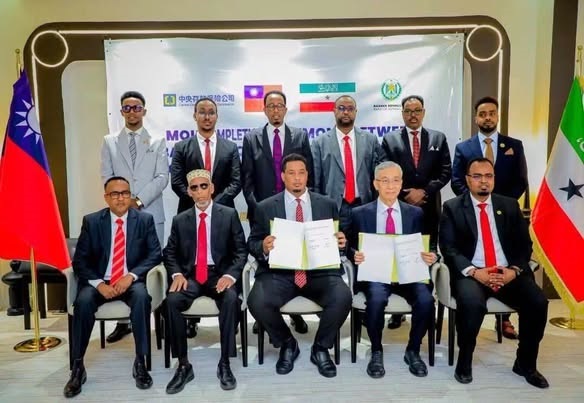
International Engagement: Diplomatic offices abroad, agreements with foreign companies and governments, and increasing regional cooperation.
Editorial Analysis:
Somaliland’s latest outreach signals a shift from patience to proactive diplomacy. While full recognition remains uncertain, the country continues to present itself as a stable, democratic and strategic partner in a region struggling with conflict and instability.
If even a handful of states begin formal diplomatic engagement, the balance in the Horn of Africa could shift — potentially challenging long-standing international assumptions about Somalia’s territorial integrity.
For now, Hargeisa is betting on diplomacy, legal argument, and global interest in securing the Red Sea corridor.


Prepared by
Hornpost staff Reporter