ADDIS ABABA, Ethiopia (Horn post) — Ethiopia has accused Egypt of attempting to undermine its long-standing efforts to secure direct access to the Red Sea, following a new maritime cooperation agreement signed between Egypt and Eritrea.
Ethiopian Foreign Ministry spokesperson Nebiyat Getachew said in a statement Thursday that what he described as “unconstructive measures from Cairo” were aimed at weakening and diverting Ethiopia’s peaceful pursuit of sea access.
Nebiyat said Egypt’s regional policies have a “long history” of destabilizing the Horn of Africa, adding that Cairo often escalates tensions whenever Ethiopia intensifies diplomatic efforts related to maritime access. He stressed, however, that Ethiopia’s push for sea access “cannot be reversed.”
The remarks followed reports that Egypt and Eritrea signed a maritime agreement during a visit to Asmara by Egyptian Foreign Minister Badr Abdelatty and Transport Minister Kamel al-Wazir, who held talks with Eritrean President Isaias Afwerki.
According to officials, the agreement includes plans to establish a shipping line connecting Egyptian and Eritrean ports through the Red Sea.
The escalating rhetoric comes as Ethiopian Prime Minister Abiy Ahmed and senior military officials continue to publicly advocate for direct maritime access for Ethiopia, a landlocked nation of more than 120 million people.
Abiy has repeatedly argued that Ethiopia’s geographic isolation threatens its long-term economic and strategic interests, describing the Red Sea as a natural frontier for the country. He has stated on several occasions that the issue could be resolved “peacefully or otherwise,” comments that have raised regional concerns.
Senior Ethiopian military officials have also backed the government’s position, saying Addis Ababa intends to develop its own naval force and views securing a military base along the Red Sea as a strategic priority.
Eritrea, however, has strongly rejected Ethiopia’s repeated statements regarding Red Sea access. Authorities in Asmara maintain that the Red Sea is not a shared resource but belongs exclusively to countries with recognized coastlines.
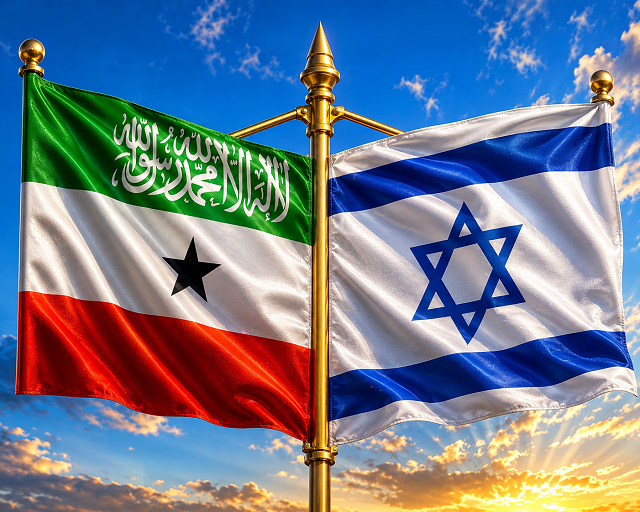
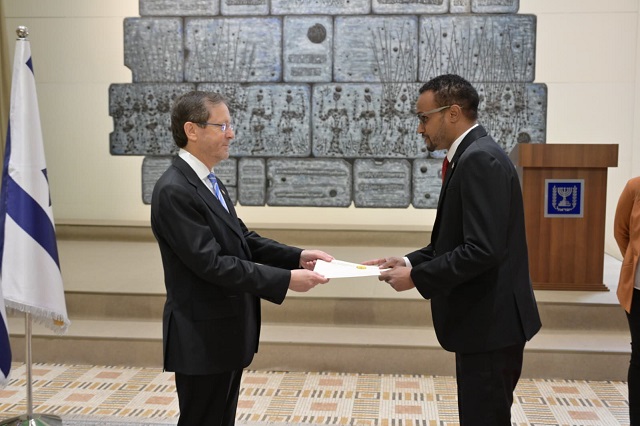
Tensions over maritime access intensified in January 2024 after Ethiopia signed a controversial memorandum of understanding with Somaliland, the self-declared republic that broke away from Somalia.
Under the agreement, Ethiopia would gain access to a 20-kilometer stretch of Somaliland’s coastline for 20 years for both military and commercial maritime use.
The deal sparked strong opposition from Somalia, which described it as a violation of its sovereignty. The agreement remains stalled amid diplomatic pressure and mediation efforts led by Turkey.
The dispute between Egypt and Ethiopia also extends beyond Somaliland and maritime access, rooted in a decade-long disagreement over the Grand Ethiopian Renaissance Dam on the Nile River.
Egypt, which depends on the Nile for more than 90% of its freshwater supply, considers the dam a major national security concern. Cairo has since expanded diplomatic ties with regional countries including Sudan, Somalia and Djibouti.
Meanwhile, reports indicate the United States may consider lifting sanctions previously imposed on Eritrea. Ethiopian Foreign Minister Gedion Timothewos recently met in Washington with U.S. Secretary of State Marco Rubio to discuss regional developments.
Prepared by:
Horn post staff
info@hornpost.com
www.hornpost.com
ADDIS ABABA, Ethiopia.