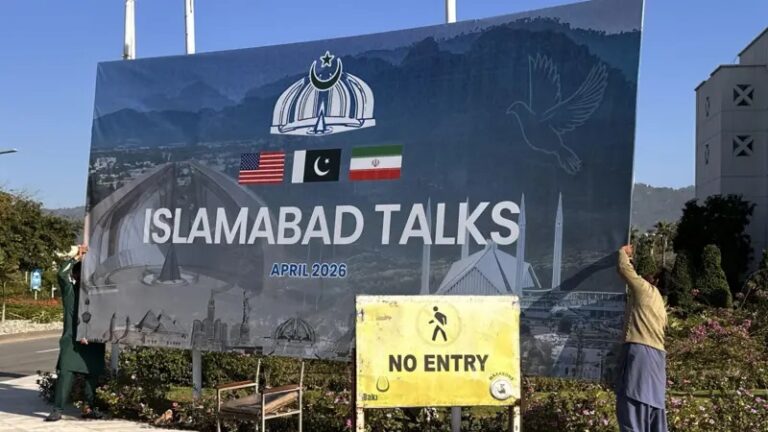
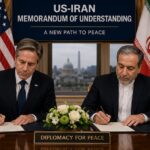
ISLAMABAD, Pakistan (Horn post) — High-stakes talks between Iran, and the United States have ended without agreement, leaving uncertainty over whether fragile diplomacy can prevent a renewed escalation in tensions.
The negotiations, held in Islamabad after weeks of intense conflict, were widely seen as a difficult attempt to bridge decades of hostility between Tehran and Washington. Analysts say the failure to secure a breakthrough reflects deep-rooted mistrust and complex disputes, particularly over Iran’s nuclear program and control of the strategic Strait of Hormuz.
Diplomatic sources and observers caution against labeling the talks as a complete failure, noting the scale of the issues at stake. The negotiations aimed to address longstanding concerns about Iran’s uranium enrichment activities and more recent geopolitical flashpoints, including disruptions to global energy flows.
The immediate question now is whether a fragile two-week ceasefire can hold, after earlier threats by U.S. President Donald Trump to take drastic military action against Iran heightened global alarm.
U.S. Vice President JD Vance said Washington had presented its “best and final offer,” emphasizing the need for clear assurances that Iran will not pursue nuclear weapons capability. “We need to see a firm commitment that Iran is not seeking nuclear weapons or the means to rapidly develop them,” he said.
Despite the lack of agreement, reports indicate that backchannel discussions continued even after the formal talks concluded. However, details remain scarce due to the highly controlled nature of the negotiations, which took place behind closed doors in a heavily secured venue.
Iran has maintained its position on its right to continue uranium enrichment, while resisting calls to relinquish its existing stockpile. It has also linked any reopening of the Strait of Hormuz to the outcome of a broader agreement, a stance that continues to unsettle global markets.
Officials from both sides entered the talks projecting confidence, but with the understanding that failure could lead to renewed conflict. Analysts suggest that limited mutual understanding of each side’s strategic red lines further complicated progress.
Iranian officials criticized U.S. demands as excessive, while parliamentary speaker Mohammad Bagher Ghalibaf said the opposing side failed to build trust during this round of negotiations. Foreign Ministry spokesperson Esmail Baghaei echoed similar concerns.
Pakistan, which helped facilitate the talks, urged all parties to maintain the ceasefire and continue diplomatic efforts. Foreign Minister Ishaq Dar said Islamabad remains committed to encouraging dialogue amid growing international concern.
Experts note that previous nuclear negotiations, including the 2015 agreement, took more than a year of sustained engagement marked by repeated setbacks.
Trump has signaled impatience with prolonged diplomacy, while U.S. officials have warned against any attempts by Tehran to delay or mislead negotiations.
For now, the outcome remains inconclusive — neither a clear breakthrough nor a complete collapse. The next move, particularly from Washington, is expected to determine whether diplomacy resumes or tensions escalate further.
Prepared by:
Horn Post staff
info@hornpost.com
www.hornpost.com