
By the Hornpost Editor
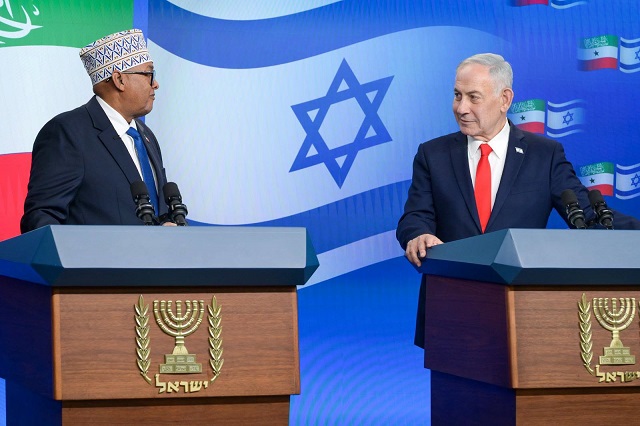
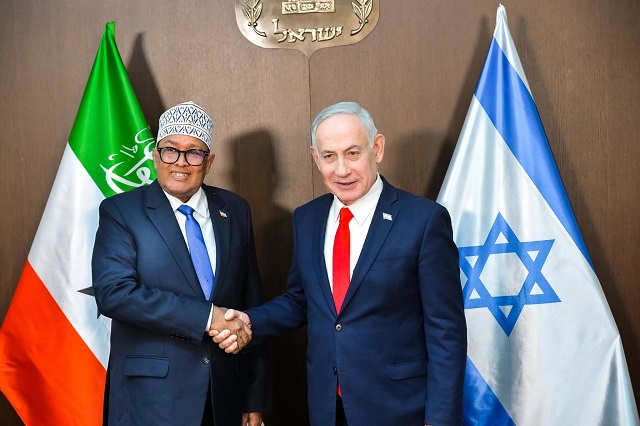
Hargeisa (Hornpost) As Somaliland continues to strengthen its diplomatic profile in the Horn of Africa, growing discussions around potential engagement with Israel have sparked interest among regional observers. Beyond speculation, this reflects Somaliland’s broader strategic vision — a calculated pursuit of international partnerships rooted in geography, security, and self-determination.
A Nation at the Crossroads of Regional Power Dynamics:
Somaliland’s coastline, stretching over 800 kilometers along the Gulf of Aden, places it directly on one of the world’s most vital maritime routes — the Red Sea corridor that links Asia, Africa, and Europe.
In a region increasingly defined by strategic rivalries and shifting alliances, Somaliland’s stability and democratic governance have made it an attractive partner for nations seeking reliable footholds along this critical waterway.
Israel, for its part, has steadily deepened its engagement in the Red Sea and East African region, aiming to secure maritime trade and counter emerging security threats. The strategic logic for engagement is therefore mutual: Somaliland offers geographic advantage and political stability, while Israel brings technological capability and global reach.
Steps from Top Israel Diplomat:
These are the preliminary steps, the movement and the new direction that Somaliland will take in the coming periods.
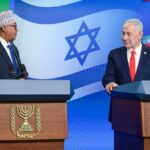
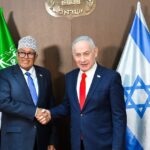
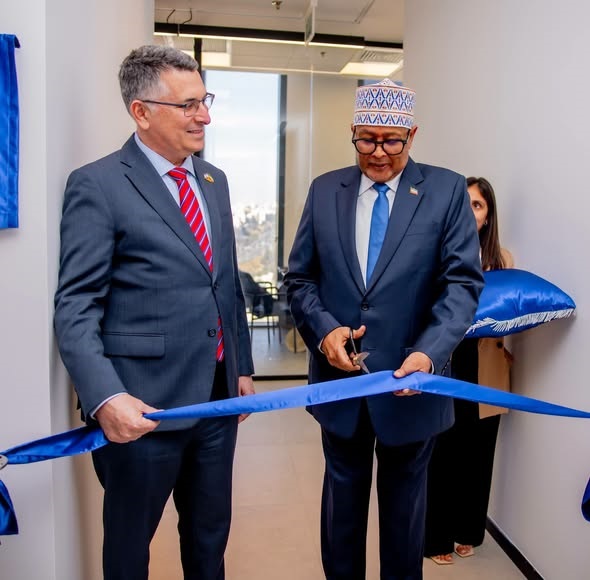
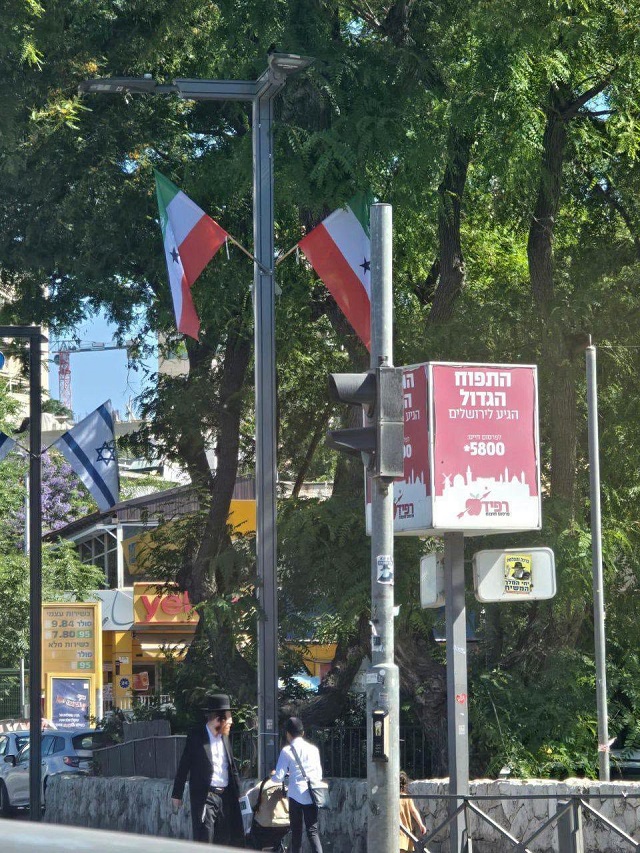
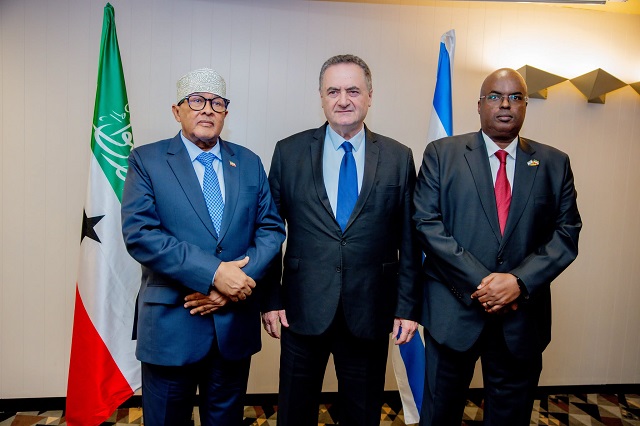
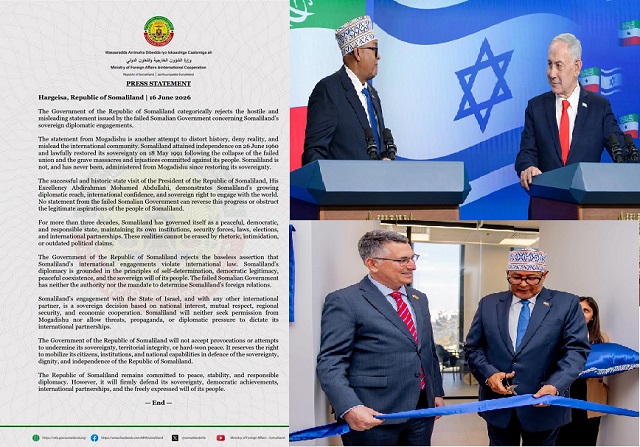
today that Foreign Minister of Israel Gideon, who follows the Somaliland Ministry of Foreign Affairs page, on X account and that the famous Journalist Edy Cohen, who is close to Prime Minister Netanyahu, openly states that they recognize Somaliland reinforces the growing talk in recent days about the first countries to declare recognition of Republic of Somaliland.
Somaliland’s Calculated Diplomacy:
For over three decades, Somaliland has maintained de facto independence without international recognition. Rather than waiting passively, the nation has actively built partnerships with democratic allies, focusing on pragmatic cooperation over formal acknowledgment.
In this context, exploring ties with Israel is part of a broader diplomatic approach — one that prioritizes strategic value and mutual interest.
Somaliland’s leadership has repeatedly emphasized that its foreign policy is anchored in peace, security, and international cooperation. Developing relations with a technologically advanced and regionally influential country like Israel would fit neatly within that framework.
Strategic Gains Beyond Politics:
A potential partnership would go beyond politics. Israel’s globally recognized expertise in desert agriculture, water management, and renewable energy aligns directly with Somaliland’s long-term development priorities.
Similarly, cooperation in maritime security could enhance efforts to combat piracy, arms smuggling, and illegal fishing — challenges that continue to affect the wider Red Sea region.
For Somaliland, these partnerships also represent a pathway toward greater visibility in international diplomacy — building functional relationships that gradually strengthen its claim to recognition through performance and reliability.
A Forward-Looking Foreign Policy:
The debate surrounding Somaliland’s approach to Israel ultimately reflects a deeper question about the country’s foreign policy philosophy: should recognition come first, or should Somaliland act as a recognized state until the world catches up?
The evidence suggests that Somaliland has chosen the latter. By acting as a responsible, security-conscious partner, Hargeisa is positioning itself as a state whose legitimacy is earned through action, not merely sought through appeals.
Conclusion:
The emerging narrative around Somaliland and Israel is not about symbolism but strategy.
It illustrates how Somaliland, through deliberate and measured diplomacy, is leveraging its geography and stability to attract meaningful partnerships.
Whether or not formal ties with Israel materialize soon, the very conversation signals a maturing foreign policy — one that views engagement not as a gamble, but as a gateway to the global stage.

By the Hornpost Editor
Abdikarim Salah