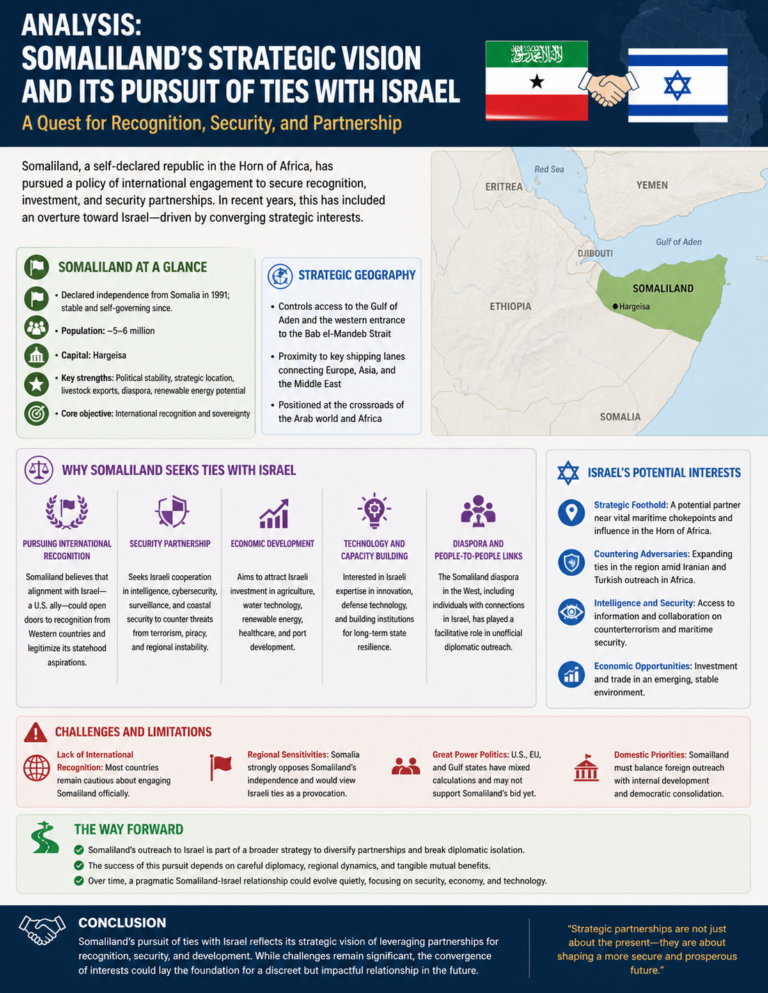
HARGEISA, Somaliland (HornPost) — Somaliland’s relationship with Israel has moved beyond speculation to formal diplomatic engagement, creating new opportunities and challenges for Somaliland’s foreign policy.
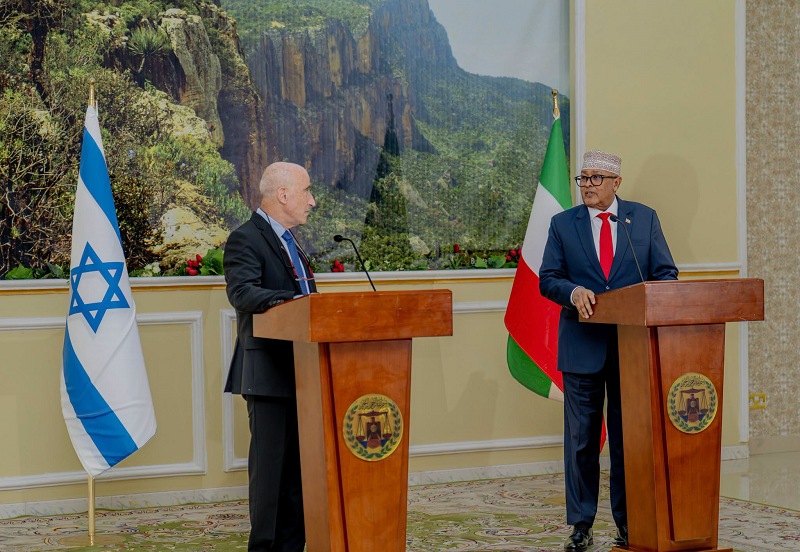
Israel formally recognized Somaliland as an independent and sovereign state on Dec. 26, 2025, becoming the first country to do so. The announcement marked a significant development in Somaliland’s decades-long effort to secure international recognition. In January 2026, Israeli Foreign Minister Gideon Sa’ar visited Hargeisa to discuss expanding bilateral relations.
These developments have placed Somaliland more prominently in discussions about regional security, diplomacy and the strategic importance of the Horn of Africa.
A Strategic Location at the Crossroads of Global Trade
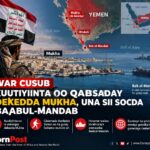
Somaliland’s coastline along the Gulf of Aden gives it a strategic position near one of the world’s most important maritime corridors. The Gulf of Aden connects the Indian Ocean to the Red Sea and the Suez Canal, linking trade routes between Asia, Africa and Europe.
The region has also become increasingly important to international security. Attacks on commercial shipping, competition among regional powers and instability around the Red Sea have highlighted the importance of maritime security.
For Somaliland, its location creates opportunities to develop partnerships in port infrastructure, trade, intelligence cooperation and maritime protection.
Israel also has strategic interests in the Red Sea and the wider Horn of Africa. Closer relations could provide opportunities for cooperation in maritime security, technology and economic development.
However, the benefits of this partnership will depend on the agreements both sides reach and how those agreements are implemented.
From Diplomatic Engagement to Formal Recognition
For more than three decades after declaring the restoration of its independence in 1991, Somaliland pursued international recognition while developing its own political institutions and maintaining external partnerships.
Israel’s recognition in December 2025 changed the diplomatic context. The two sides subsequently moved to establish formal relations and expand cooperation.
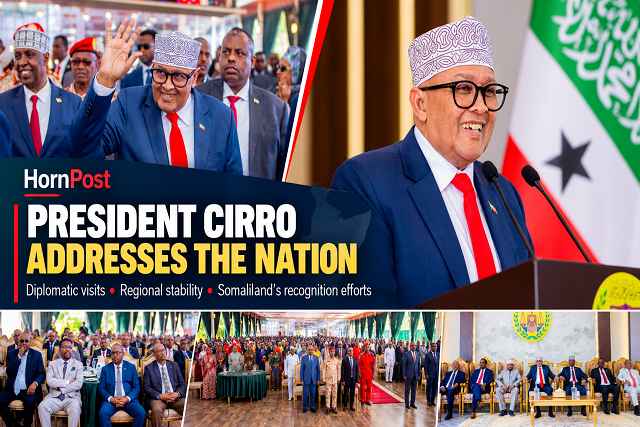
In June 2026, Somaliland President Abdirahman Mohamed Abdillahi Irro visited Israel, where the two sides continued discussions on bilateral relations. Somaliland also opened an embassy in Jerusalem.
These developments demonstrate that the relationship is no longer merely a subject of political discussion. The focus has shifted toward building diplomatic institutions and identifying areas for practical cooperation.
Nevertheless, Israel’s decision has not resulted in broad international recognition of Somaliland. Somalia and several regional governments have opposed the move, arguing that it challenges Somalia’s territorial integrity.
Somaliland’s diplomatic strategy must therefore account for both the opportunities created by the relationship and the regional disagreements surrounding it.
Economic Opportunities Beyond Politics
The potential benefits of Somaliland-Israel relations extend beyond diplomatic recognition.
Israel has experience in agricultural technology, water management, irrigation, renewable energy and medical innovation. These are areas that could support Somaliland’s development priorities, particularly in a country facing water scarcity and recurring drought.
Cooperation could include agricultural research, efficient irrigation systems, technology transfer, vocational training and investment in renewable energy.
Health care and digital technology could also provide opportunities for collaboration. Joint initiatives in these sectors could help strengthen public institutions and improve services if supported by clear agreements, funding and effective implementation.
Maritime cooperation is another possible area of mutual interest. Better surveillance, information sharing and institutional capacity could help Somaliland address threats to shipping and coastal security.
However, potential benefits should not be confused with completed projects. Their value will ultimately depend on the terms of bilateral agreements, the resources committed and measurable results for Somaliland’s people.
Regional Security and Diplomatic Challenges
Somaliland’s relationship with Israel is developing amid wider competition across the Red Sea region.
The strategic importance of the Gulf of Aden has attracted attention from countries seeking to protect shipping routes and expand their regional influence. Somaliland’s location makes it relevant to these discussions, but it also means that its diplomatic decisions can affect relations with neighboring countries.
Somalia has strongly rejected Israel’s recognition of Somaliland. Other governments have also expressed opposition, raising concerns about sovereignty and regional stability.
For Somaliland, the challenge is to develop its relationship with Israel while maintaining constructive engagement with other regional and international partners.
A sustainable foreign policy requires more than diplomatic announcements. It also depends on economic cooperation, regional dialogue, respect for security interests and practical benefits for citizens.
Turning Recognition Into Lasting Progress
Israel’s recognition represents a significant milestone in Somaliland’s diplomatic history. Yet recognition by one country does not automatically guarantee wider international acceptance or resolve the challenges facing Somaliland.
The next phase will require both governments to translate diplomatic commitments into concrete programs. Priorities could include investment, water security, health care, education, technology and maritime cooperation.
Somaliland will also need to communicate its foreign policy objectives clearly to regional governments and international institutions, while demonstrating how its partnerships contribute to stability and development.
Ultimately, the success of the Somaliland-Israel relationship should be measured not only by diplomatic milestones but also by its practical outcomes.
For Somaliland, the central task is to turn international engagement into sustainable economic development, stronger institutions and wider diplomatic opportunities. Whether the relationship achieves those goals will depend on the decisions made by both governments in the years ahead.
By Abdikarim Salah
HornPost Editor
info@hornpost.com
www.hornpost.com