Somaliland Cabinet Holds 51st Session, Discusses Drought, Security, Economy, and National Policies.
HARGEISA (Horn post) The 51st session of the Cabinet of the Republic of Somaliland was held today at the Presidential Palace, chaired by Vice President and Acting President Mohamed Ali Aw Abdi. Ministers presented reports on key national issues, from drought relief to economic development and security.
Drought Situation:
The Minister of Religion and Endowments, Sheikh Abdullahi-Bashe Dahir Jama, briefed the Cabinet on worsening drought conditions across the country. He highlighted severe water and food shortages and declining livestock productivity, urging a national-level emergency response to assist affected communities. The Minister assured that the national committee on drought relief is working to coordinate aid and support for citizens impacted by the crisis.
National Security:
The Minister of Interior and National Security, Abdalle Mohamed Arab, reported that overall security in Somaliland remains stable. He emphasized the importance of strengthening internal security and collaboration between government agencies and citizens, particularly following the country’s recent recognition developments.
The Minister also outlined progress on the national ID program and measures to regulate foreign residents. Acting President Aw Abdi stressed that maintaining peace, stability, and security is a national duty shared by both government and citizens, urging Cabinet members to fully support the Interior Ministry.
Revenue and Economic Development:
The Minister of Finance and Economic Development, Abdilahi Hassan Adan, reported that 2025 was a historic year for revenue growth, with government revenue rising 20% compared to 2024. He highlighted reforms in administration, tax awareness, and GST implementation, alongside stricter oversight by senior officials. The Ministry has prepared plans to further boost 2026 revenue projections, focusing on major taxes including rental profits, business profits, employee income, and sales and services tax.
Information, Culture, and Civic Awareness:
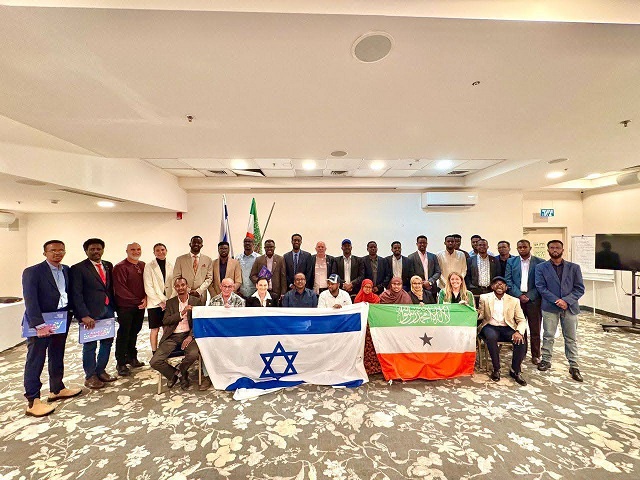
The Deputy Minister of Information, Culture, and Civic Awareness, Muse Askar Guled, outlined efforts to inform citizens and strengthen national pride, particularly considering Somaliland’s recognition by Israel. The Ministry monitors both positive and negative international media coverage to ensure accurate information reaches domestic and diaspora communities. Youth from the Gulf region have been engaged to support Somaliland’s narrative abroad. The Ministry has produced multimedia content in Somali, English, and Arabic, highlighting Somaliland’s history, independence, and progress.
Animal Health and Livestock Policies:
The Minister of Livestock and Rural Development, Dr. Omar Shucayb Mohamed, presented the new Livestock and Pasture Law and related policies aimed at modernizing animal health practices, improving livestock management, and ensuring sustainable production. He asked Cabinet members to review and provide feedback on the law and policies.
Agricultural Development and Seed Policy:
The Minister of Agriculture, Mahmoud Ige Yusuf, reported that the Ministry has completed seven key agricultural policies and two laws, covering seeds, fertilizers, cooperatives, food security, marketing, and land expansion. One law has been approved, while the other is pending Cabinet review. He called on ministers to fulfill their roles in implementing these strategies.
The Cabinet session reflected Somaliland’s focus on coordinated governance addressing immediate crises like drought, while strengthening long-term security, economic growth, and national development policies.
Pictures:
Horn post staff reporter
info@hornpost.com
www.hornpost.com
Hargeisa, Somaliland
 Hornpost