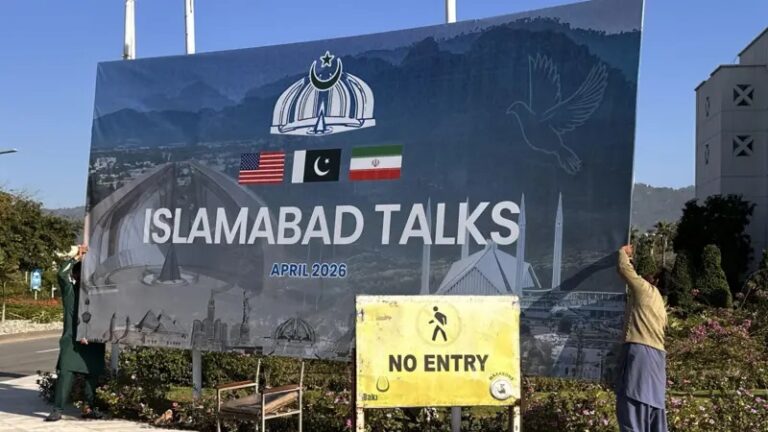
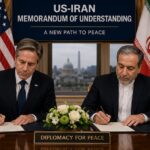
HARGEISA / MIDDLE EAST (Horn post) Tensions between the United States and Iran have intensified following the latest developments in the broader Middle East conflict, raising concerns over regional stability and the potential for further escalation.
According to recent diplomatic and security assessments, both Washington and Tehran remain locked in a cycle of strategic pressure involving military posturing, proxy confrontations, and heightened rhetoric. The situation has further strained already fragile security conditions across key flashpoints in the region, including maritime corridors and conflict zones where allied groups are active.
Analysts warn that the lack of direct communication channels between the two powers increases the risk of miscalculation, particularly as regional actors continue to align with either side. Efforts by international mediators to de-escalate tensions have so far produced limited results, with both countries maintaining firm positions on security and nuclear-related concerns.
The latest phase of the confrontation comes amid broader instability in the Middle East, where overlapping conflicts continue to shape global energy markets and security policy decisions among major powers.
Diplomatic observers say the coming weeks will be critical in determining whether tensions can be contained or whether the situation risks expanding into a wider regional confrontation.
Prepared by:
Horn post staff
info@hornpost.com
www.hornpost.com