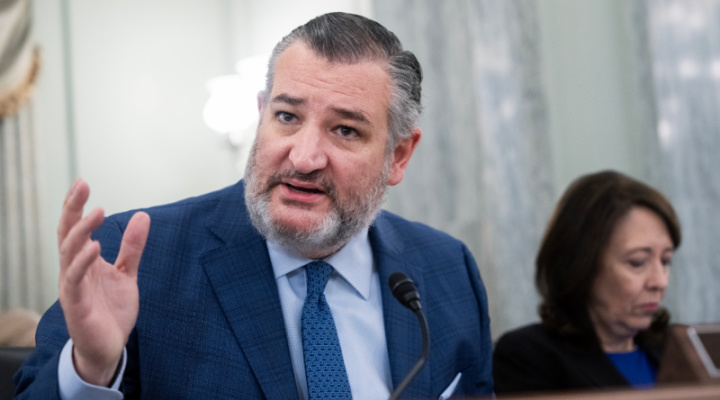
WASHINGTON (Horn post) — U.S. Sen. Ted Cruz is calling on the Trump administration to formally recognize Somaliland as an independent state, arguing the self-declared territory would strengthen American counterterrorism efforts and maritime security in the Horn of Africa.
Speaking during a recent Senate hearing on U.S. counterterrorism strategy in Africa, the Texas Republican described Somaliland as a “geo-strategic maritime security partner” positioned along the Gulf of Aden, one of the world’s busiest shipping corridors.
“Somaliland is a capable and willing partner that aligns with U.S. interests in a region facing persistent instability and terrorist threats,” Cruz said, according to testimony cited in the hearing.
Somaliland, which declared independence from Somalia in 1991, operates with its own governing institutions, military, currency, and passport system, but remains internationally unrecognized by most governments. Despite this, it has maintained relative political stability compared with other parts of Somalia, holding regular elections and maintaining functioning security forces.
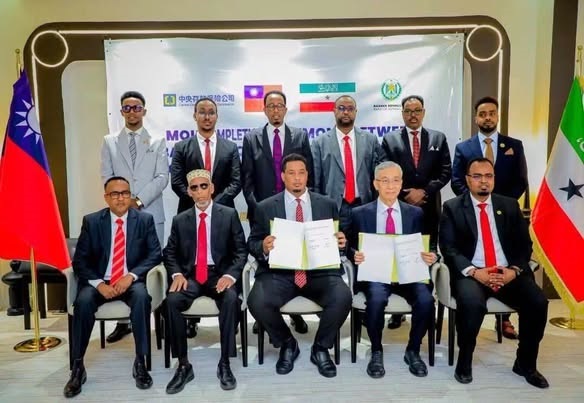
Cruz compared Somaliland’s strategic value to that of Taiwan and Israel, both of which he said demonstrate how aligned partnerships can advance U.S. national security interests.
He also pointed to growing regional engagement, including cooperation with the United Arab Emirates in developing the Port of Berbera, a key Red Sea logistics hub operated in part by DP World.
“Clarity is powerful in foreign policy,” Cruz said, expressing confidence that the United States could eventually shift its position on recognition.
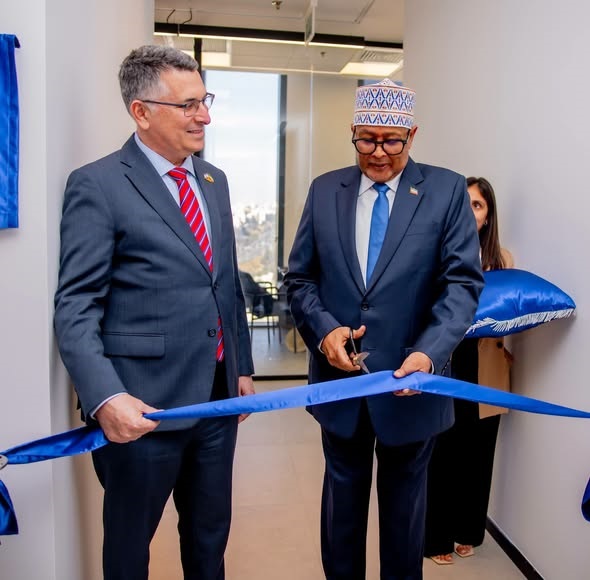
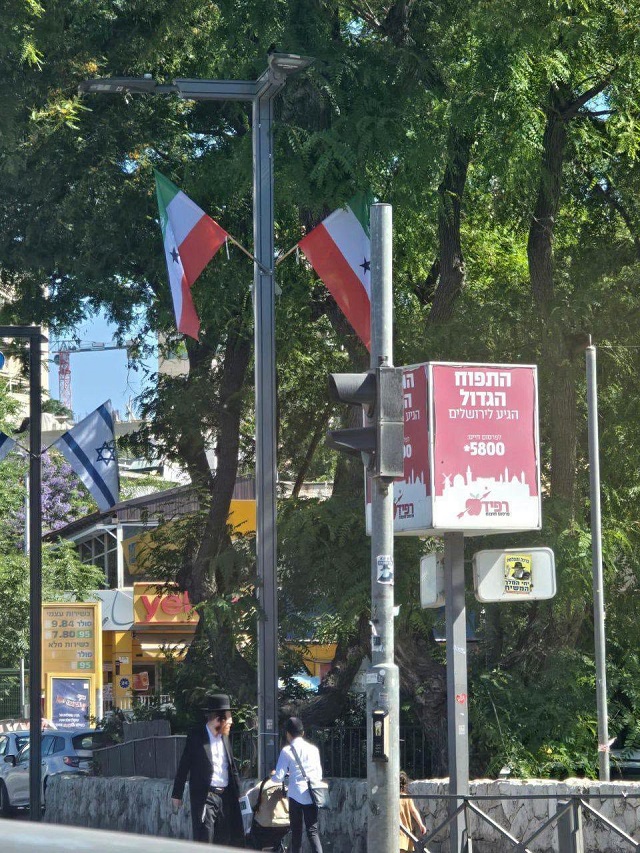
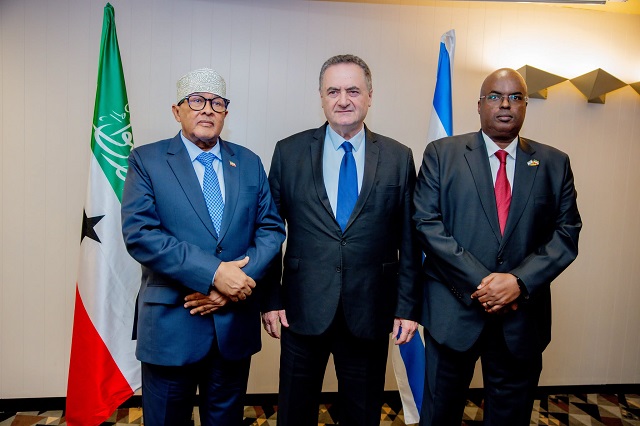
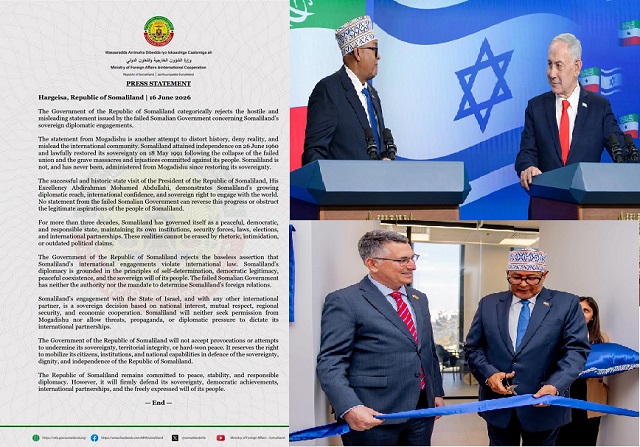
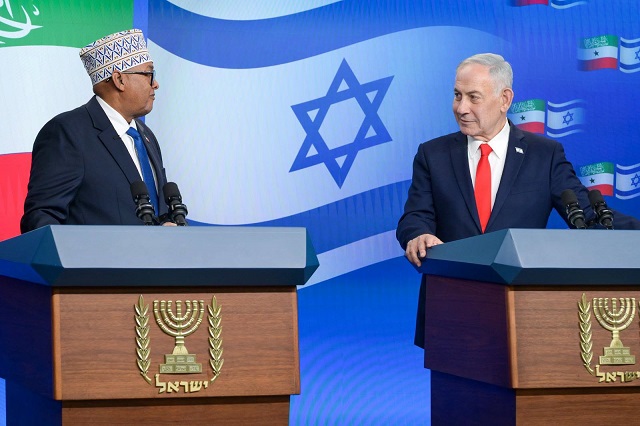
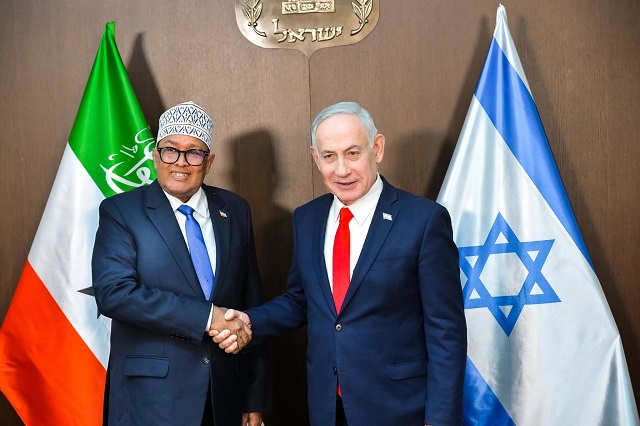
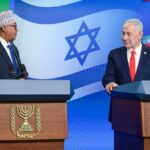
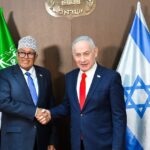
The senator’s remarks come as Somaliland expands diplomatic and economic outreach. Israel formally recognized Somaliland in December 2025, a move that triggered diplomatic backlash from Somalia and several Muslim-majority countries. Israel has since appointed an ambassador to the territory, further deepening ties.
U.S. Africa Command officials have also reportedly visited Hargeisa and Berbera in recent years to assess security conditions and port infrastructure, according to testimony referenced by Cruz.
However, the State Department reiterated during the hearing that the United States continues to recognize Somalia’s territorial integrity and does not currently support formal recognition of Somaliland. A senior official said Washington values Somaliland as a “very good partner” in counterterrorism cooperation but maintains its longstanding policy position.
Somalia strongly opposes any recognition of Somaliland, viewing the territory as part of its sovereign state.
China has also condemned recent international discussions on Somaliland recognition, accusing U.S. lawmakers of interfering in Somalia’s internal affairs and warning against moves that could alter regional geopolitical balances. Beijing maintains a significant strategic presence in neighboring Djibouti, including its first overseas military base.
Cruz, however, argued that engagement with Somaliland strengthens rather than undermines regional stability, especially in counterterrorism operations targeting extremist groups in the Horn of Africa.
The proposal adds to ongoing debate in Washington over how the United States should balance its official recognition of Somalia with deepening security and economic ties to Somaliland.
No immediate policy shift has been announced by the Trump administration.
Prepared:
Horn post staff
info@hornpost.com
www.hornpost.com