Government weighs inflation, fuel price surge and currency pressures as regional instability affects domestic markets.
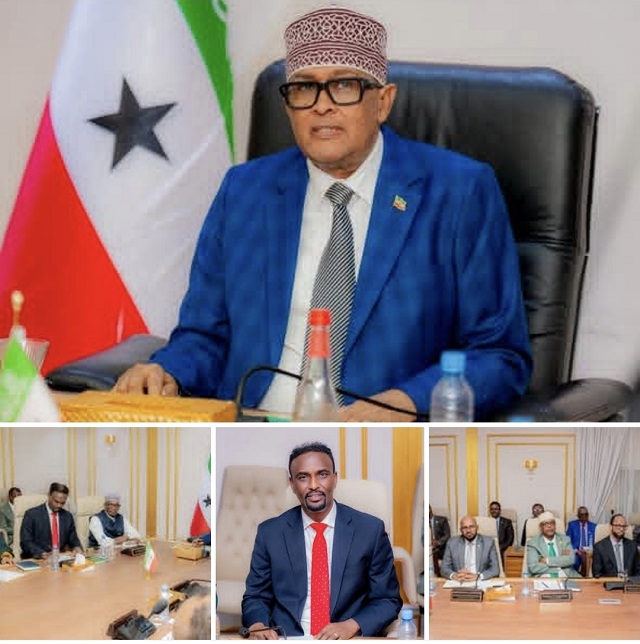
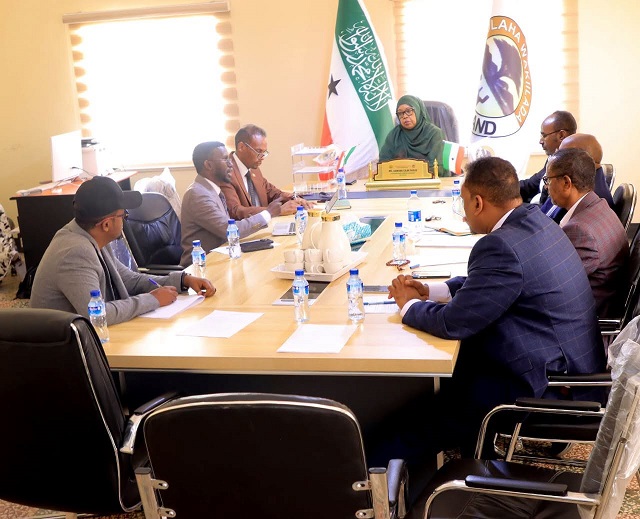
Hargeisa (Horn post) The Council of Ministers of Somaliland convened its 60th session to review the country’s economic conditions, public health situation and the broader impact of the ongoing Middle East conflict on national stability.
The meeting, chaired by President Abdirahman Mohamed Abdullahi Cirro at the presidential palace, brought together senior government officials to assess mounting economic pressures linked to global and regional developments.
Economic pressures linked to global conflict
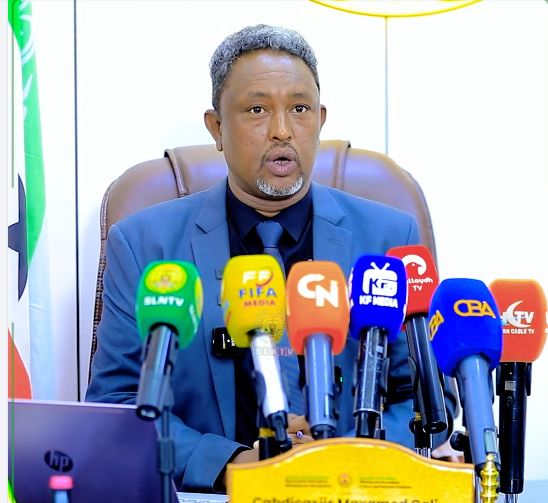
Officials from the Ministry of Finance briefed the cabinet on the economic fallout from tensions in the Middle East, highlighting rising fuel prices, increased costs of essential goods and volatility in foreign exchange markets.
The government said the surge in global oil prices and disruptions in international trade routes have driven up import costs, placing additional strain on consumers and businesses. Currency fluctuations have further complicated market stability, affecting the purchasing power of households.
Authorities emphasized the need for greater economic resilience through self-reliance, with a renewed push to boost domestic production in key sectors including agriculture, livestock, fisheries and manufacturing.
Public health concerns and sanitation warnings
The Minister of Health reported confirmed cases of measles in parts of the country, noting that health authorities are closely monitoring the situation to prevent further spread.
The minister also raised concerns about sanitation and waste management, warning that poor handling of garbage and sewage systems could pose serious public health risks. Local governments and relevant agencies were urged to strengthen oversight and improve waste management systems nationwide.
Cabinet debate on inflation and market stability
During a cabinet-wide discussion led by the deputy minister of trade, officials examined the broader economic impact of the Middle East conflict, including rising maritime insurance costs, increased shipping expenses and disruptions in global supply chains.
Ministers noted that these factors have contributed to inflation and reduced consumer purchasing power across Somaliland.
The cabinet also reviewed exchange rate movements, particularly the performance of the Somaliland shilling, and their implications for economic stability.
Government response and policy direction
The council agreed on a set of coordinated measures aimed at controlling inflation, stabilizing the currency and protecting consumers from price manipulation.
These measures include strengthening market regulation, enhancing monitoring of fuel and essential commodity prices and promoting local production to reduce dependence on imports.
In a closing statement, the government reassured citizens that it is closely monitoring the situation and remains committed to safeguarding economic stability and public welfare amid ongoing regional uncertainty.
Prepared by:
Horn post staff
info@hornpost.com
www.hornpost.com