WASHINGTON (Horn Post) — Tensions between the United States and Europe increased in January 2026 after U.S. President Donald Trump threatened new tariffs against European countries opposing his demands over Greenland.
Trump warned that he would impose tariffs on countries that resisted his position. The dispute raised concerns about trade relations and the future of cooperation between Washington and its European allies.
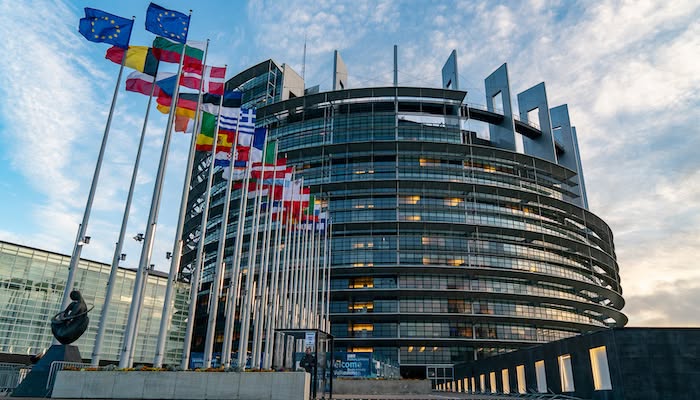
The European Parliament responded by suspending work on the EU-US trade agreement. Lawmakers said they could not continue the approval process while Washington maintained its tariff threats.
Trump’s Tariff Threats Increase Pressure on Europe
Trump threatened to impose additional tariffs on several European countries. These included Denmark, France, Germany, the United Kingdom and other European nations.
His warning came amid growing opposition to his statements about Greenland. The Arctic island is a self-governing territory within the Kingdom of Denmark.
Trump argued that Greenland holds strategic importance for U.S. national security. However, Denmark and Greenland have rejected any proposal for a U.S. takeover.
The dispute also raised concerns among NATO allies. Several European governments viewed the tariff threats as pressure linked to Greenland’s political future.
European Parliament Suspends Trade Agreement
The European Parliament suspended its work on legislation linked to the EU-US trade agreement on Jan. 21, 2026.
The decision followed a meeting of political group representatives in the Parliament’s International Trade Committee.
The suspension delayed preparations for votes that had been scheduled for Jan. 26 and 27.
The agreement, reached in July 2025, followed negotiations between Trump and European Commission President Ursula von der Leyen in Scotland.
Under the deal, the United States agreed to a 15% tariff rate on many European goods. In return, the European Union planned to remove most tariffs on U.S. industrial products.
However, the agreement still required approval by the European Parliament and other EU institutions.
Lawmakers had also raised concerns about the balance of the agreement. Some argued that the deal placed greater tariff obligations on the European Union.
Greenland’s Sovereignty Remains Central to the Dispute
Greenland’s political status became a major issue in the growing disagreement between Washington and European capitals.
The island has extensive self-government, while Denmark retains responsibility for areas such as foreign affairs and defense.
European leaders have repeatedly stressed that Greenland’s future must be decided by its people.
The dispute therefore involved more than trade policy. It also raised questions about sovereignty, territorial integrity and relations among NATO members.
Meanwhile, European governments faced pressure to defend Denmark while avoiding a wider trade confrontation with the United States.
Trump Later Withdraws Planned Tariffs
The situation changed on Jan. 21, 2026, after Trump met NATO Secretary General Mark Rutte on the sidelines of the World Economic Forum in Davos.
Following the meeting, Trump announced that he would not proceed with the additional tariffs planned for Feb. 1.
He said the discussions had produced a framework for a possible future agreement concerning Greenland and Arctic security.
However, the announcement did not mean that the wider disagreement had ended. Denmark continued to insist that its sovereignty and Greenland’s right to determine its future must remain respected.
The European Parliament had already suspended its work on the trade legislation. The decision highlighted how disputes over territory and security can affect major international trade agreements.
Wider Implications for EU-US Relations
The Greenland dispute exposed tensions within the transatlantic relationship.
The United States and European countries remain major trade and security partners. However, the tariff threats showed how political disagreements can affect economic cooperation.
For businesses on both sides of the Atlantic, uncertainty over tariffs can influence investment, trade planning and market confidence.
The episode also highlighted the importance of diplomacy in resolving disagreements between long-standing allies.
Although Trump later withdrew the planned tariffs, the dispute left important questions about Greenland, European security and the future of EU-US trade relations.
Prepared by:
Horn Post Staff Reporter
info@hornpost.com
www.hornpost.com