 HornPost

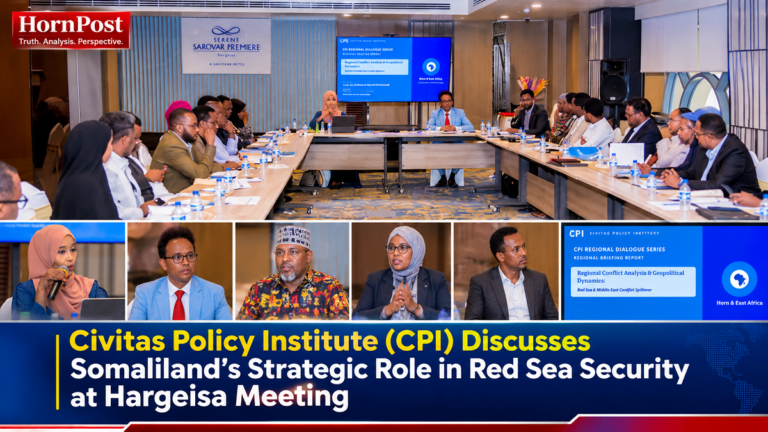
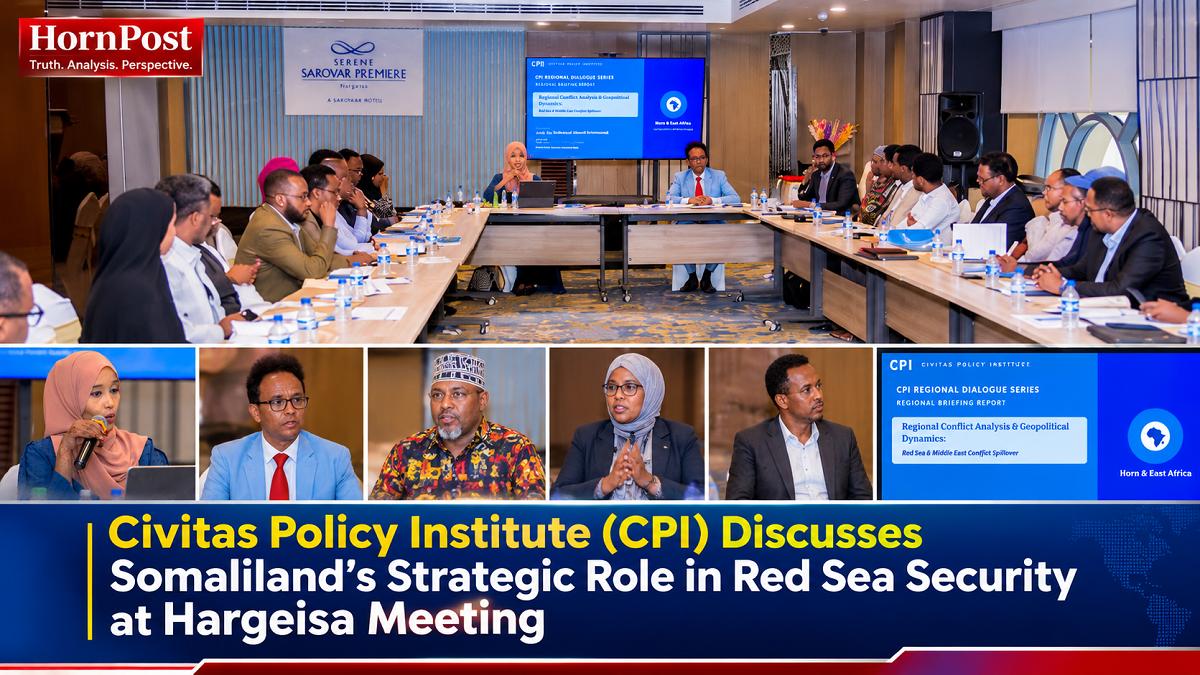
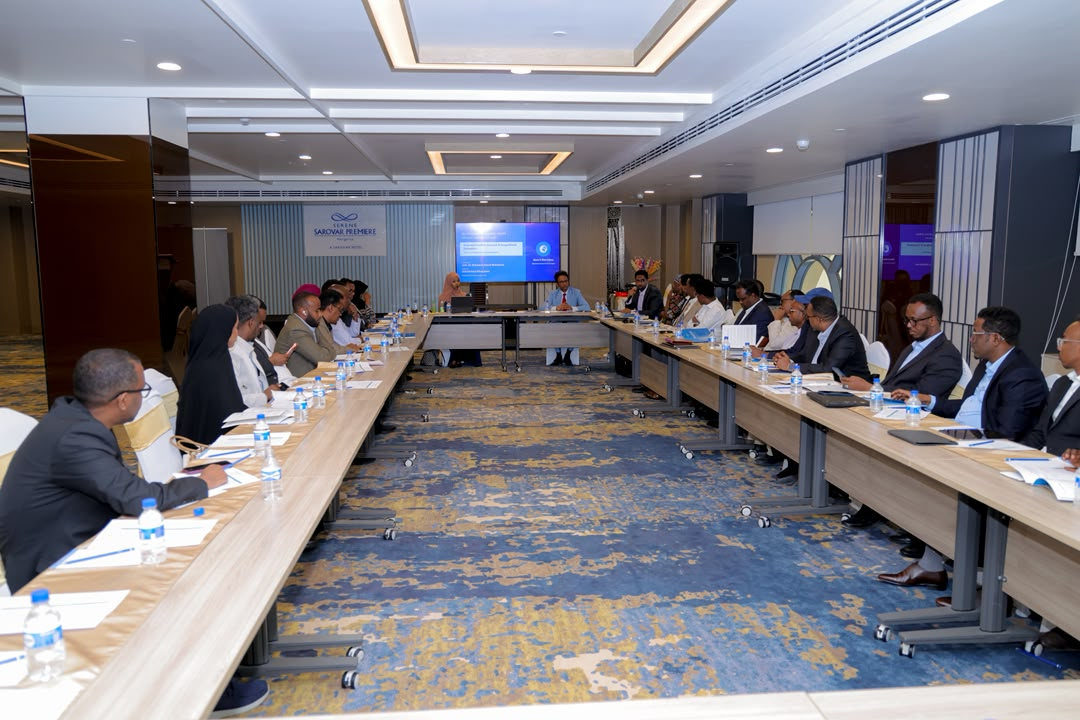
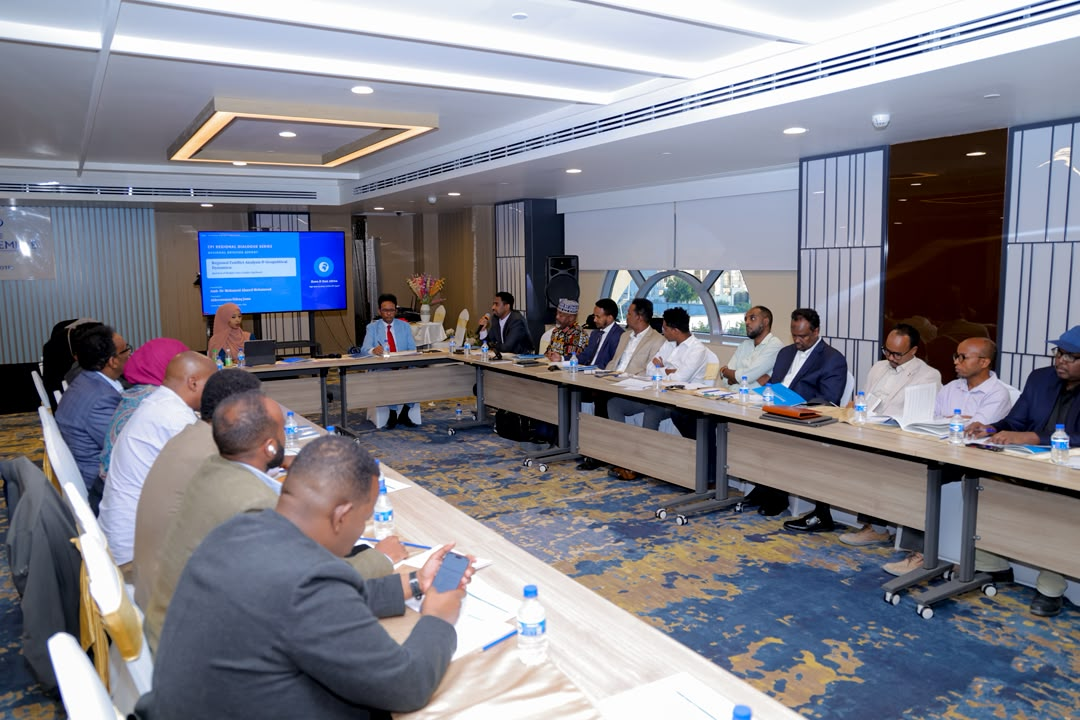
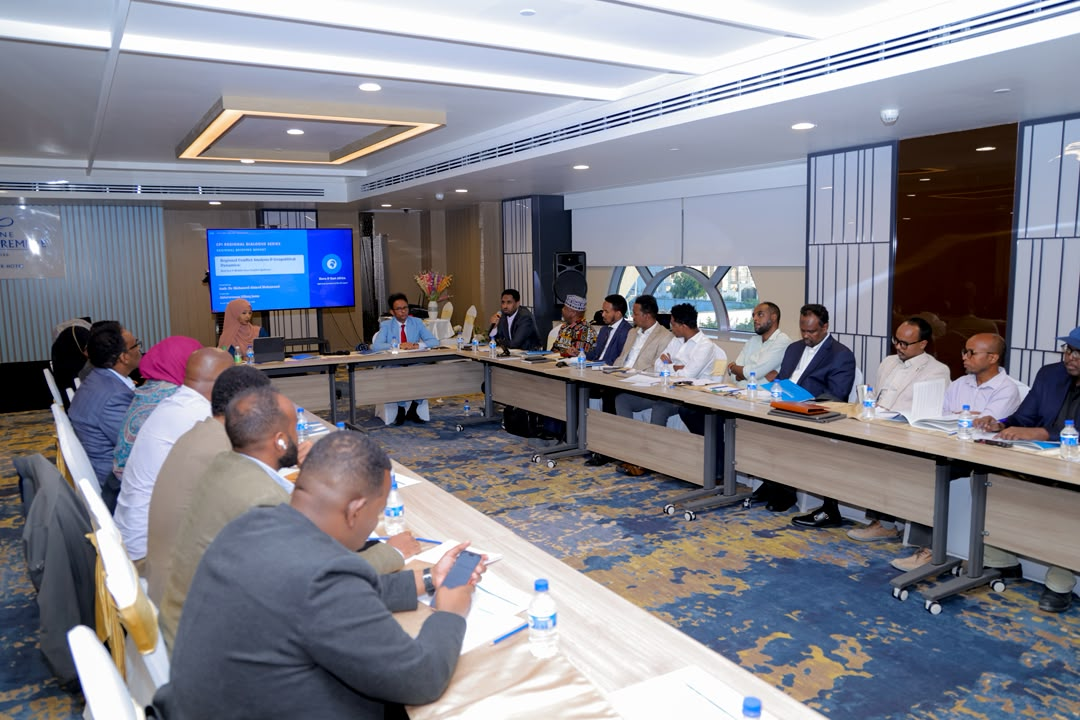
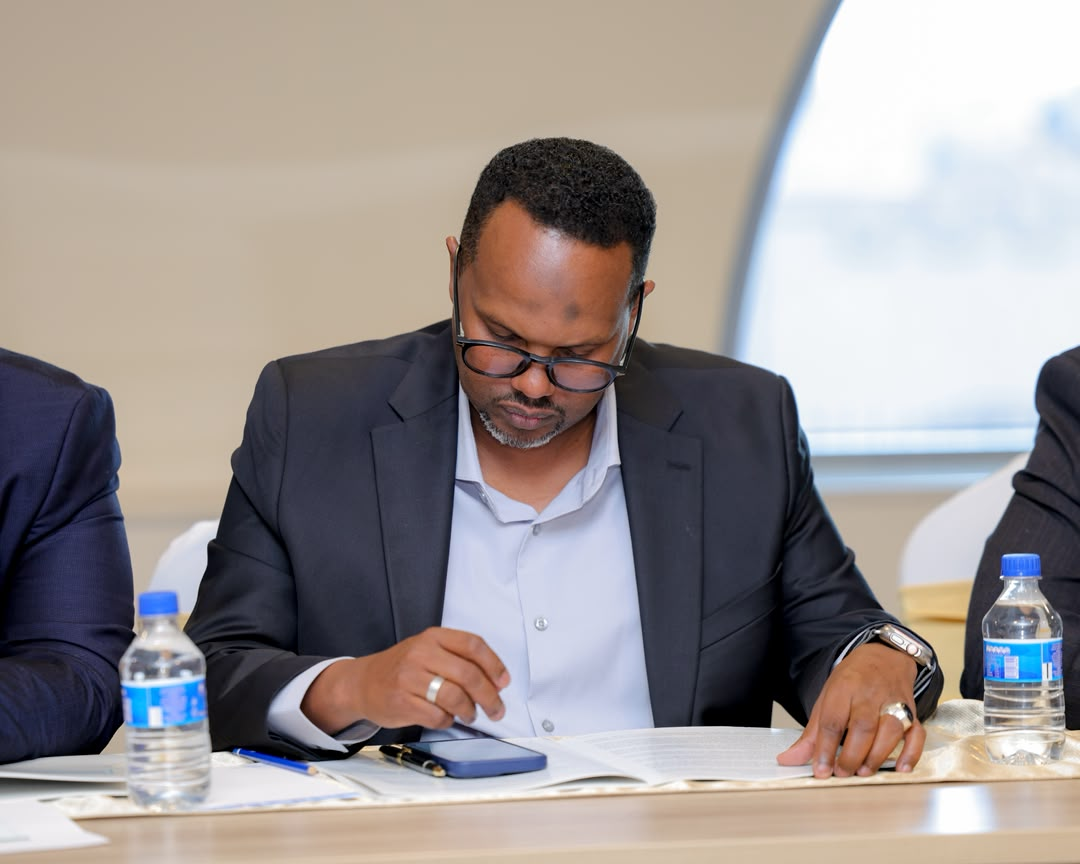
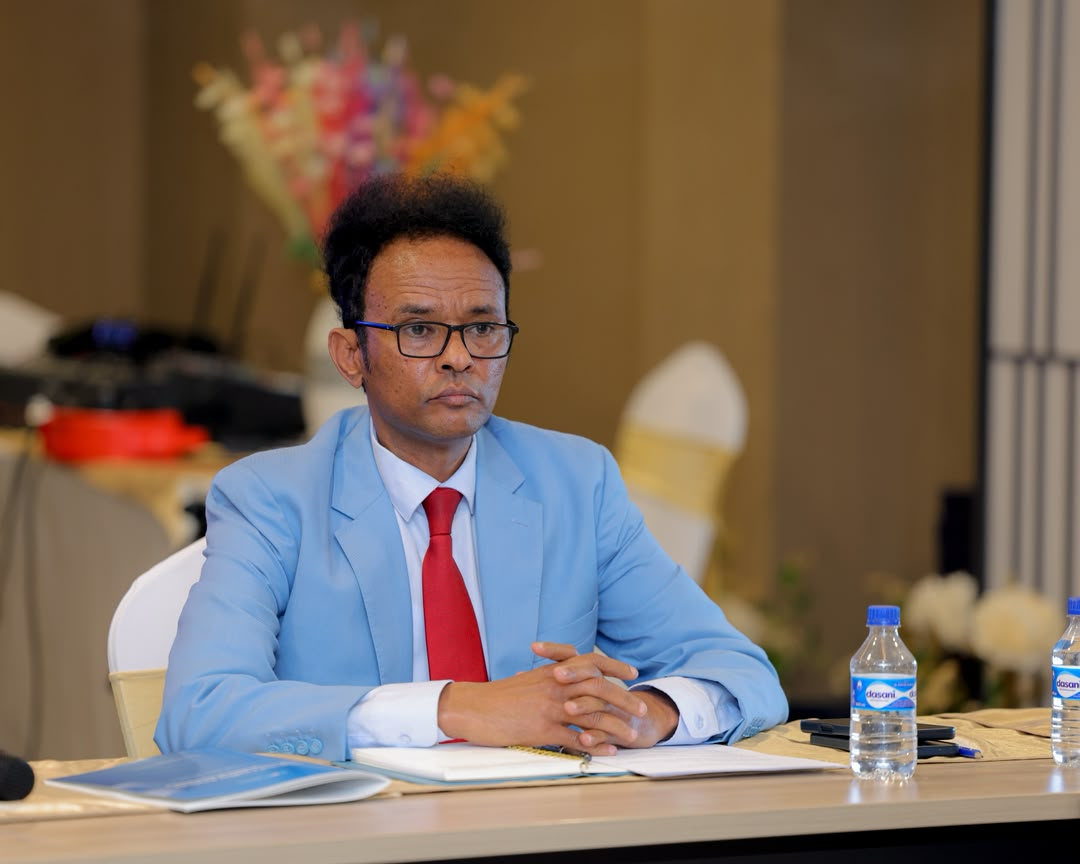
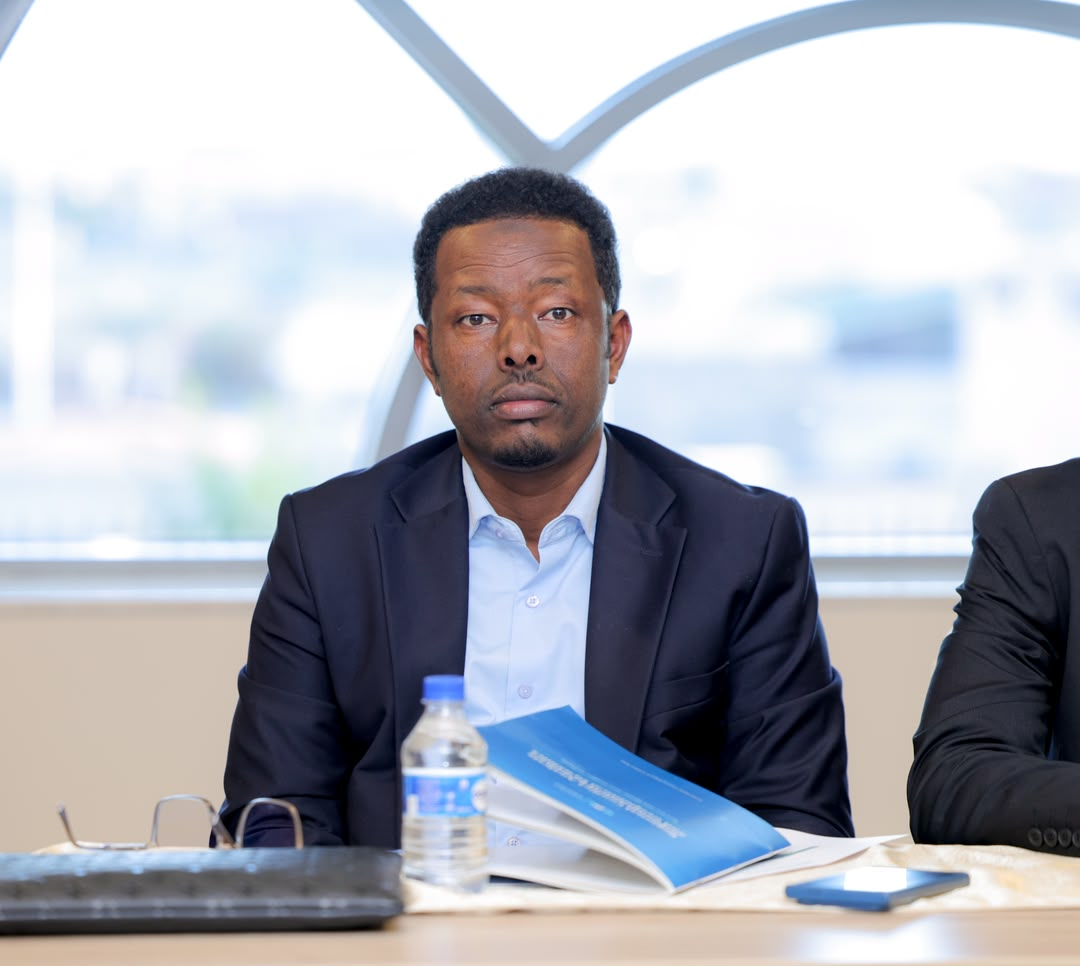
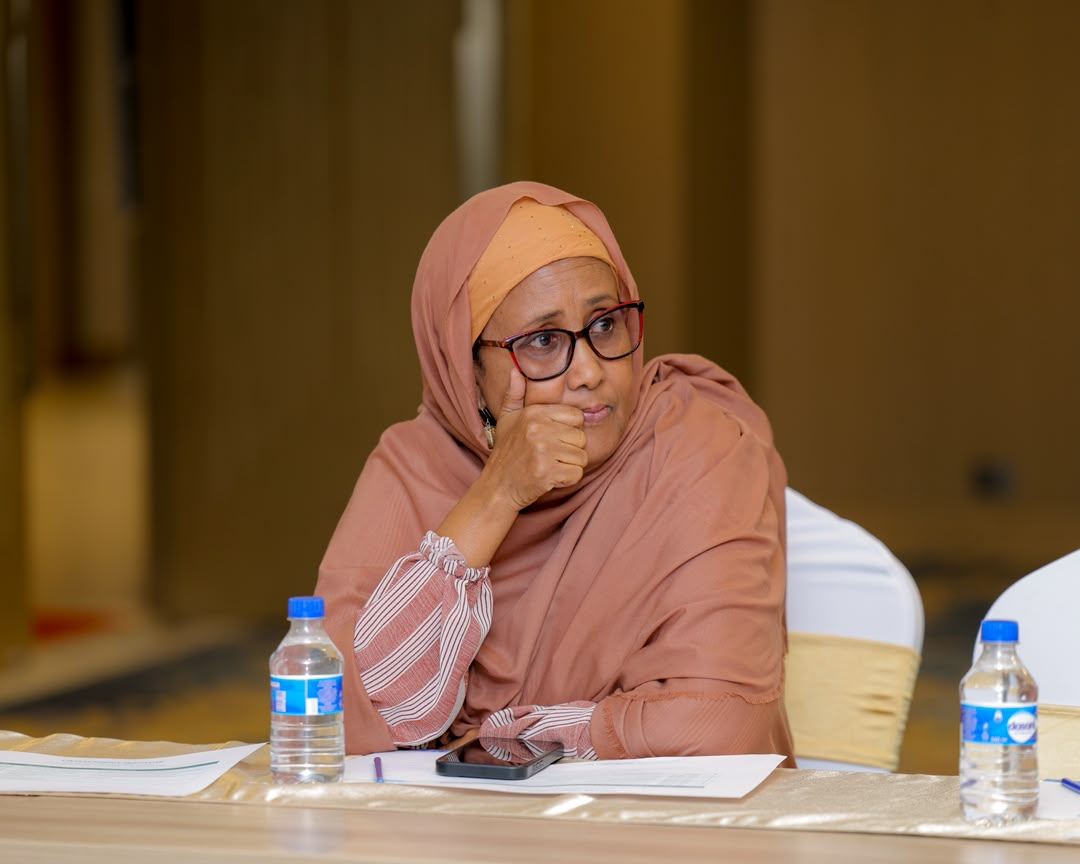
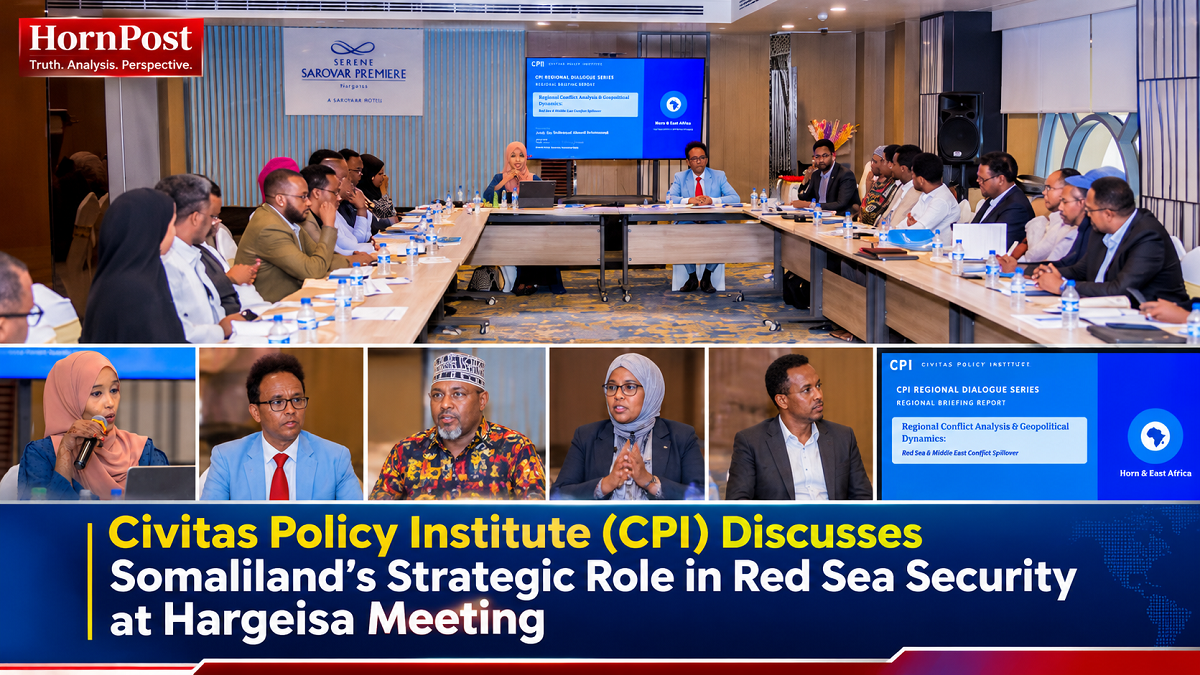
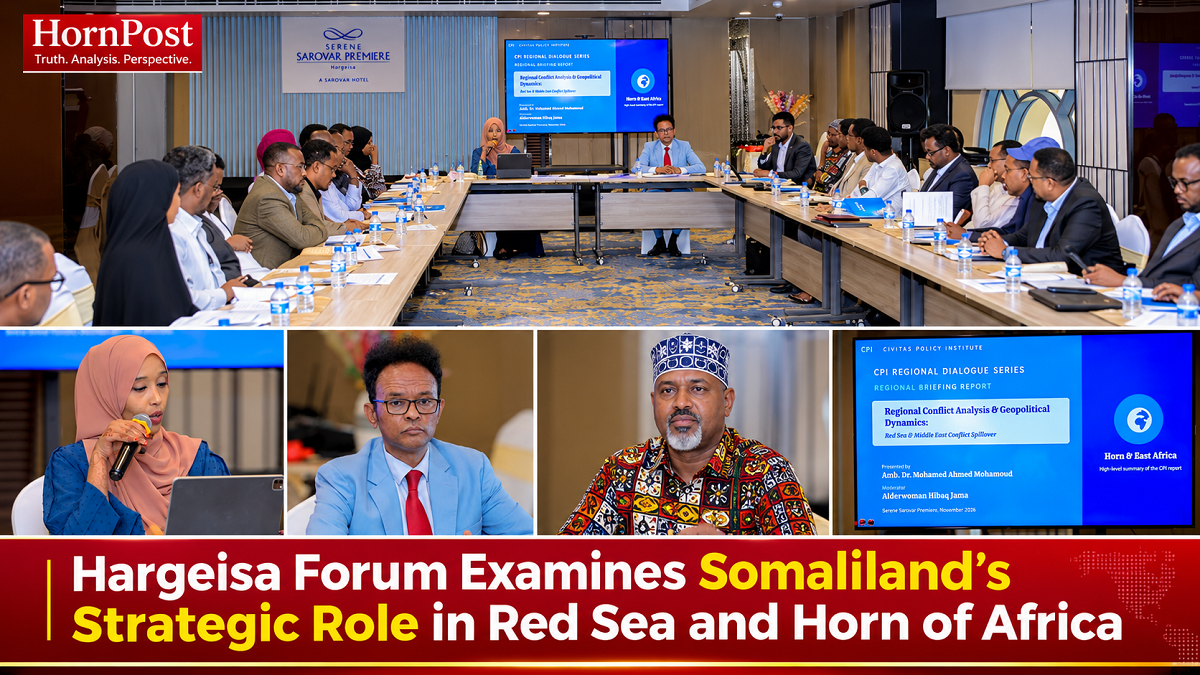
HARGEISA, Somaliland (HornPost) — Government officials, researchers and business leaders met in Hargeisa on Monday to discuss Somaliland’s role in the Horn of Africa and Red Sea security.
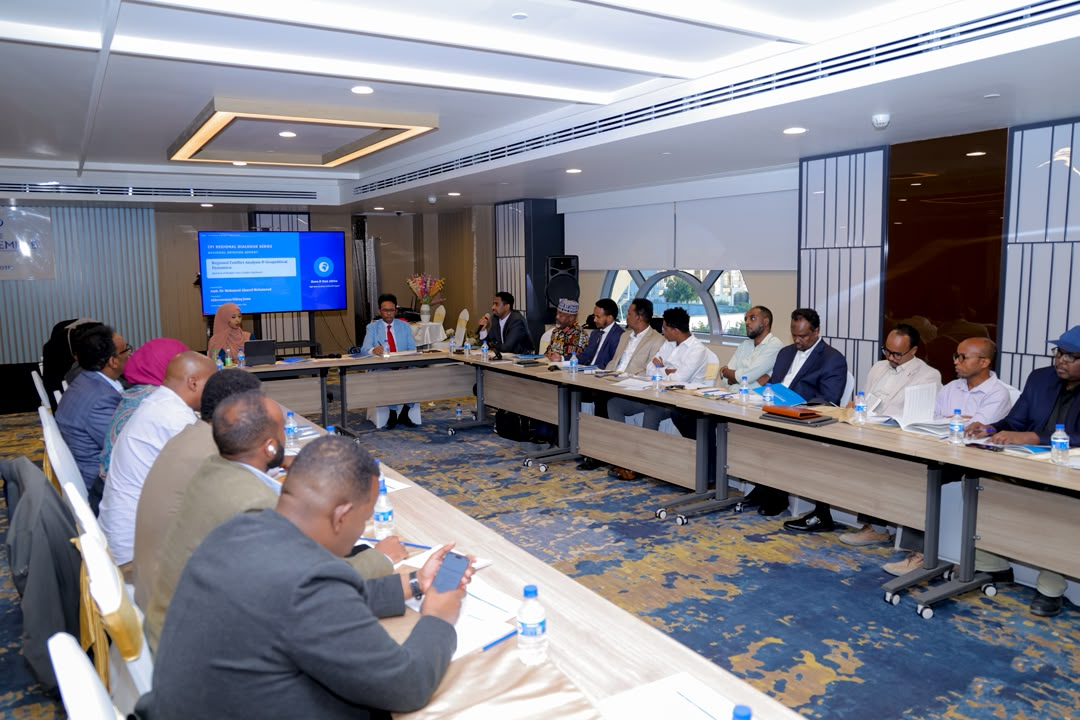
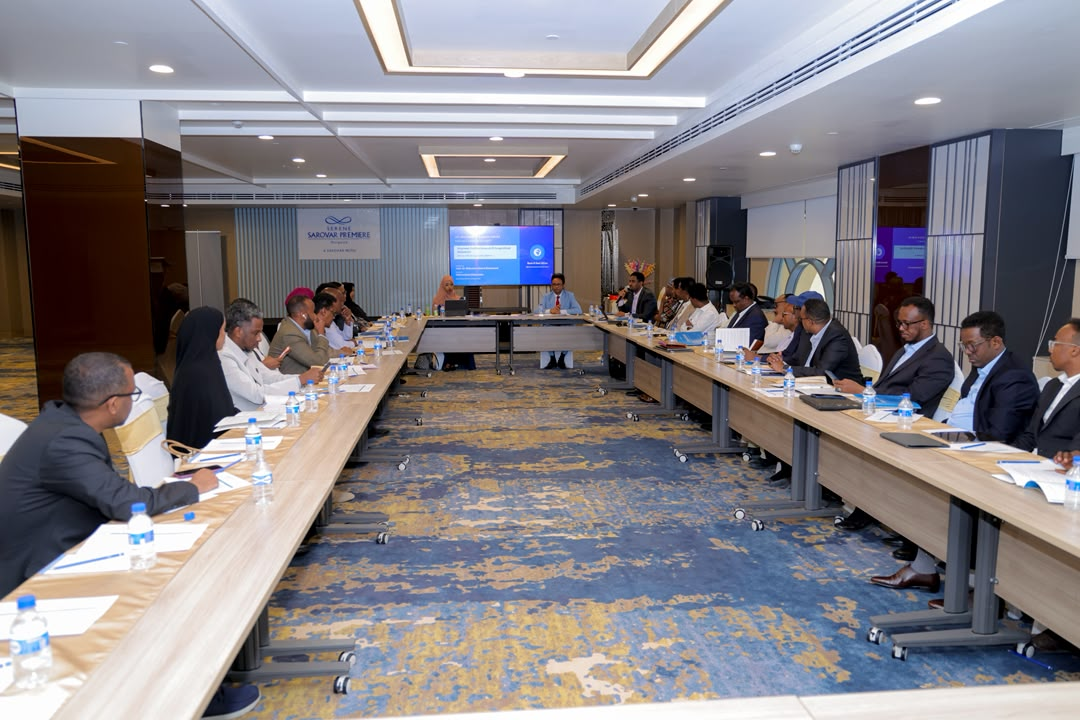
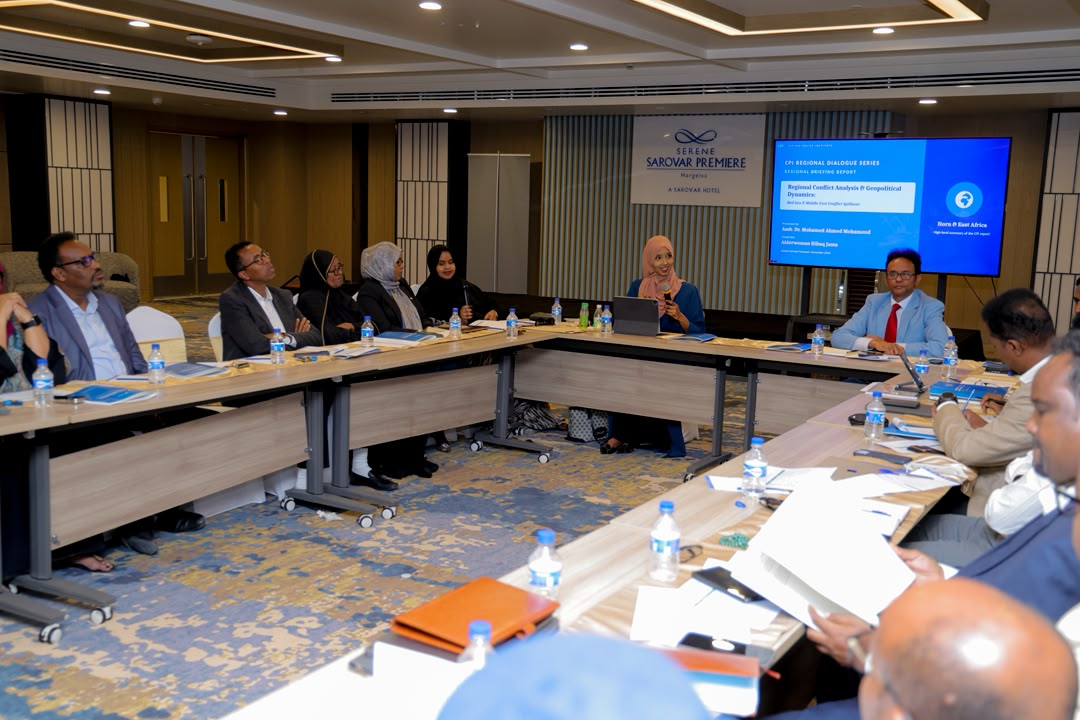
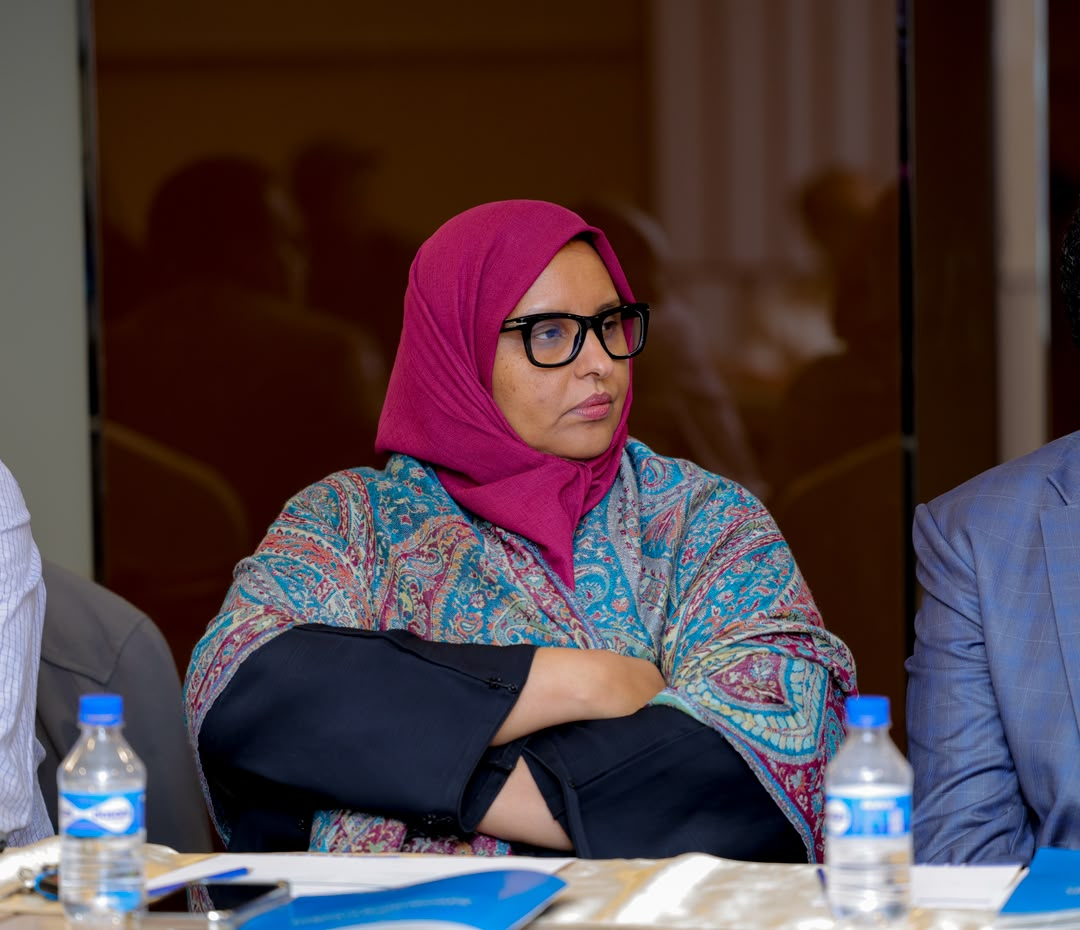
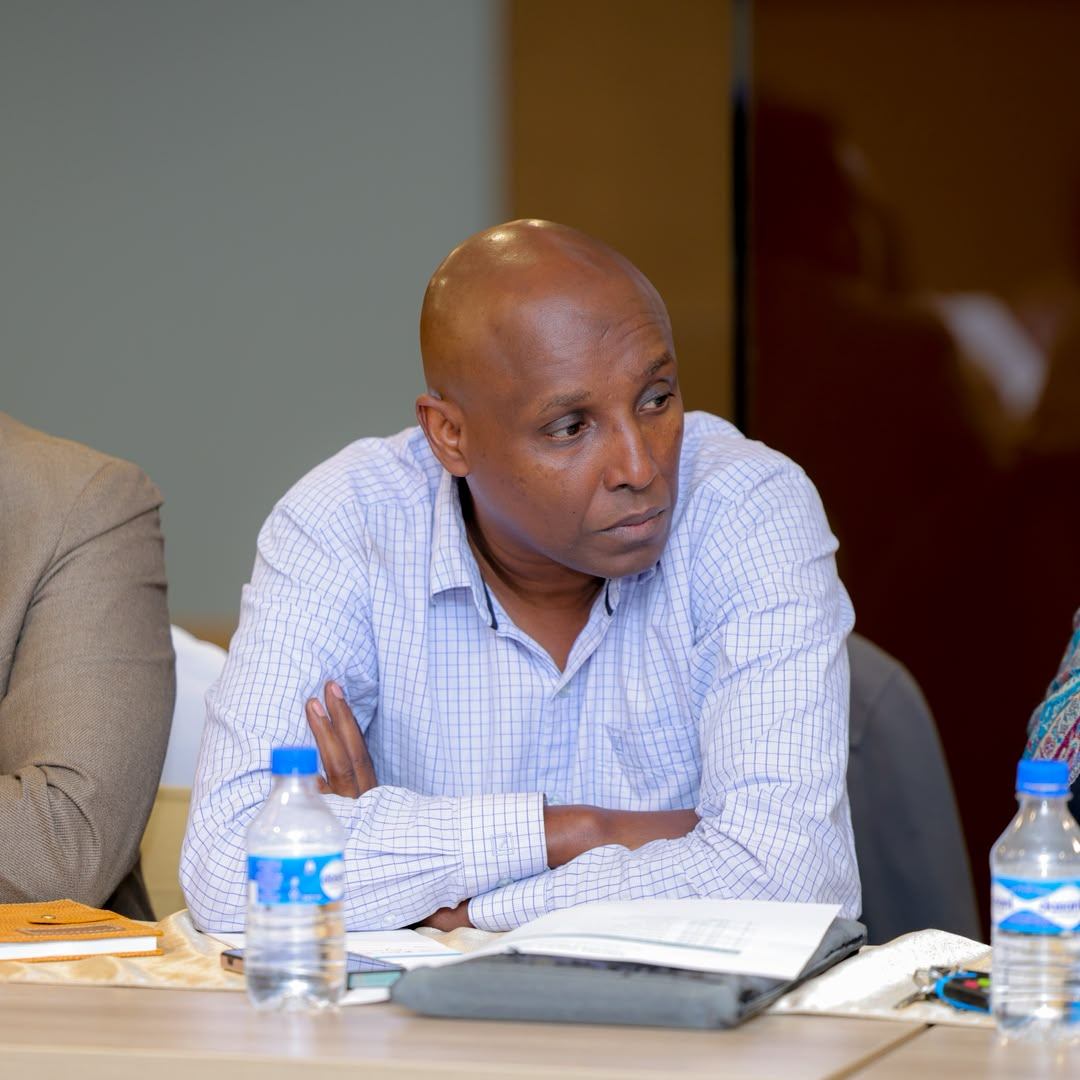
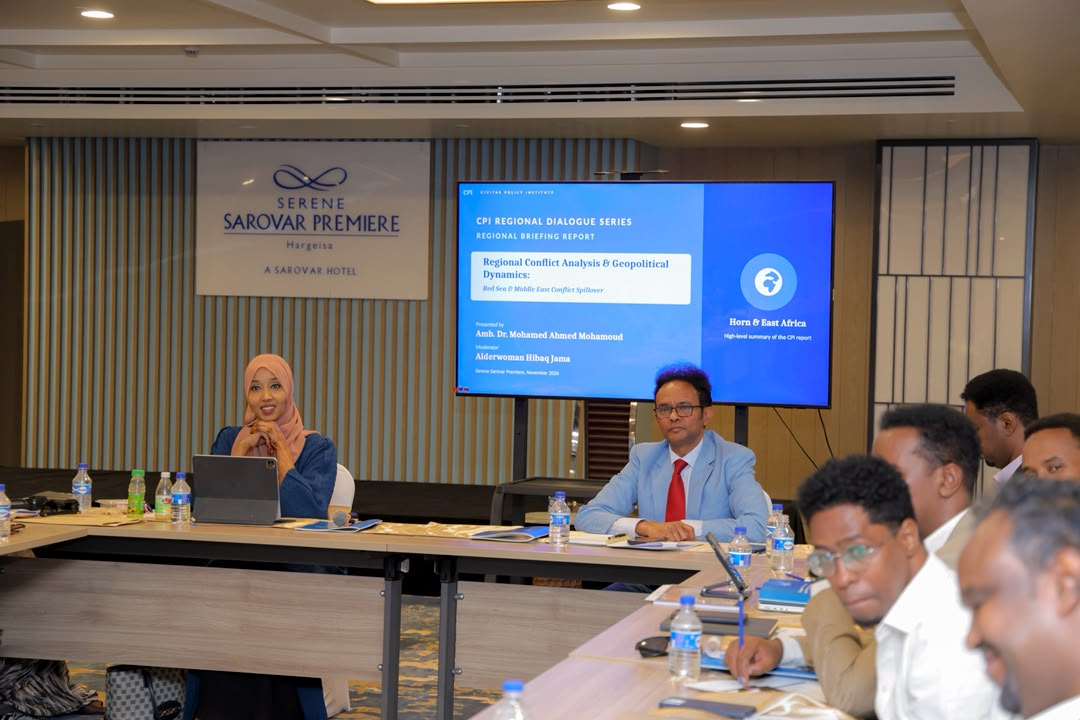
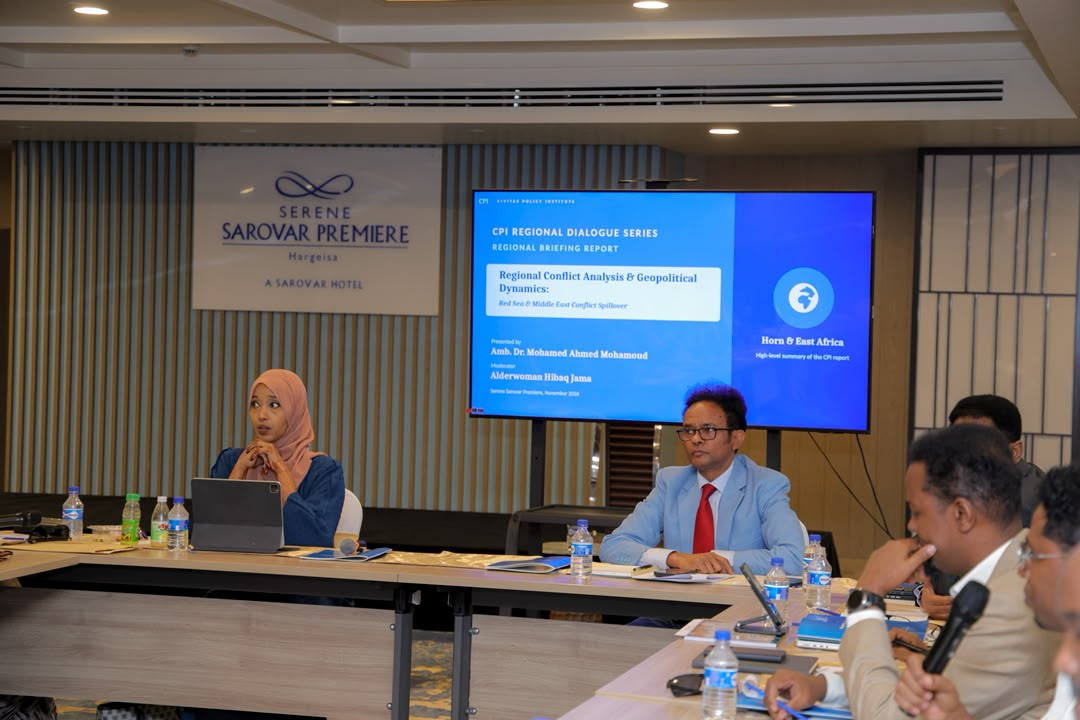
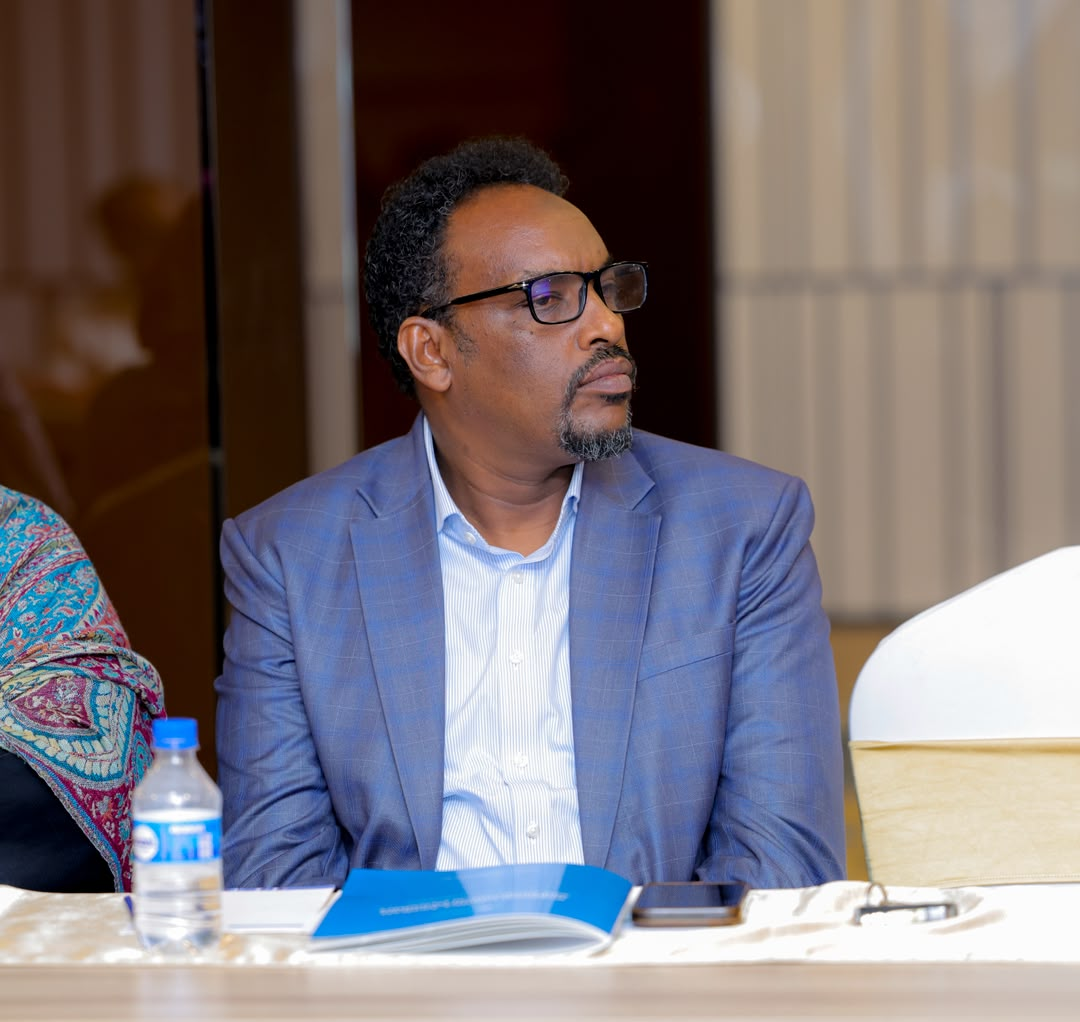
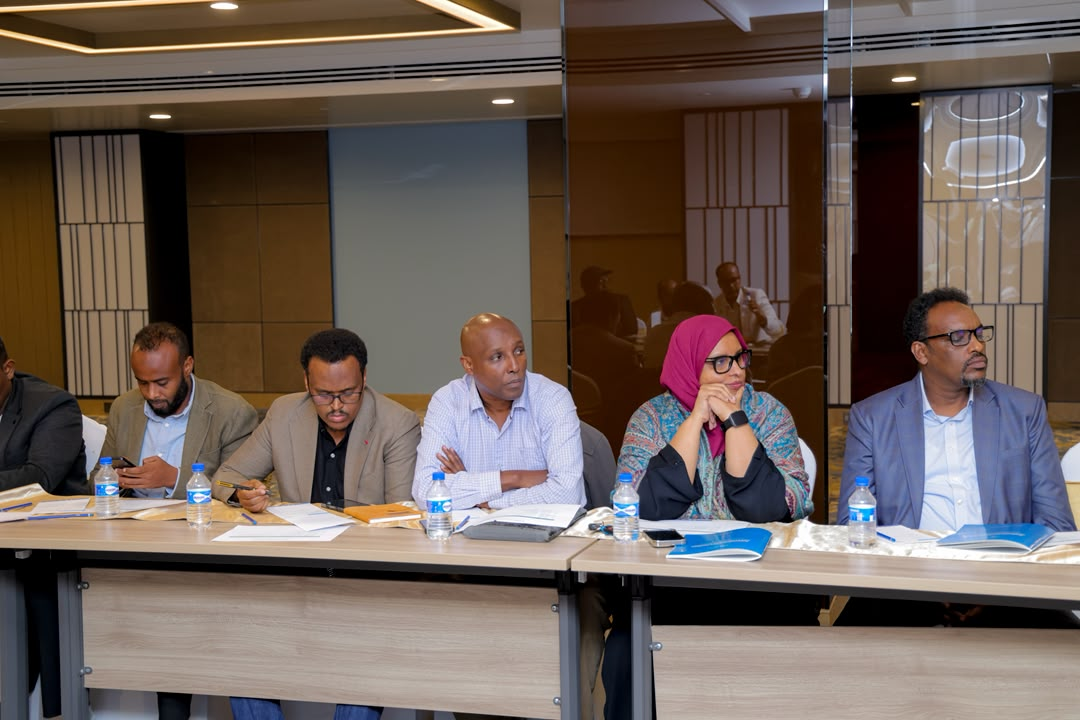
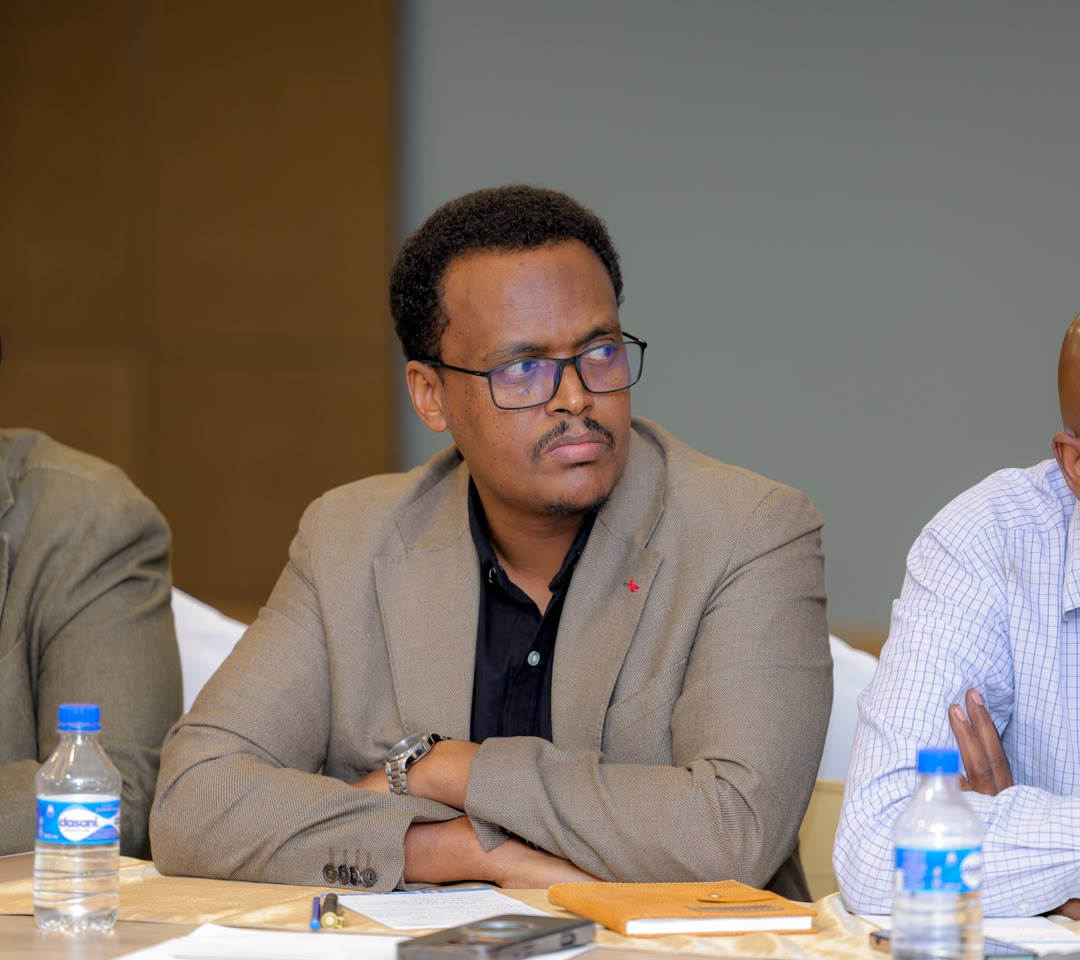
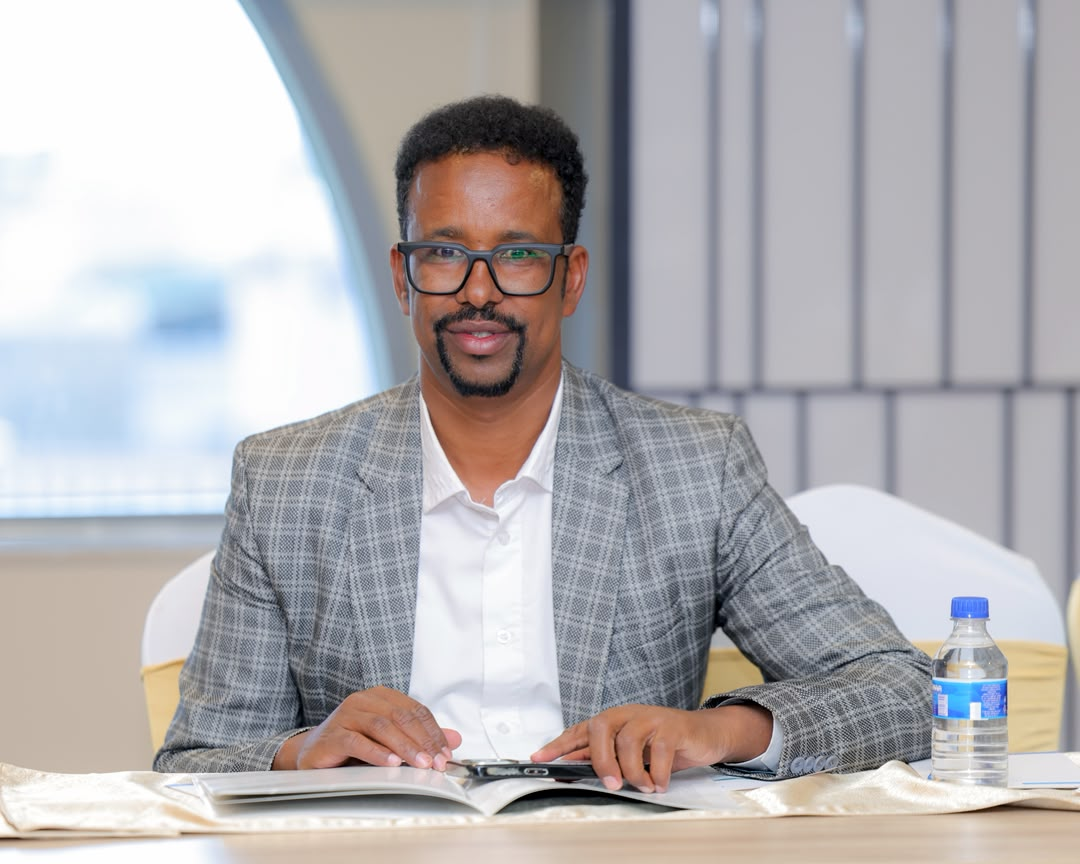
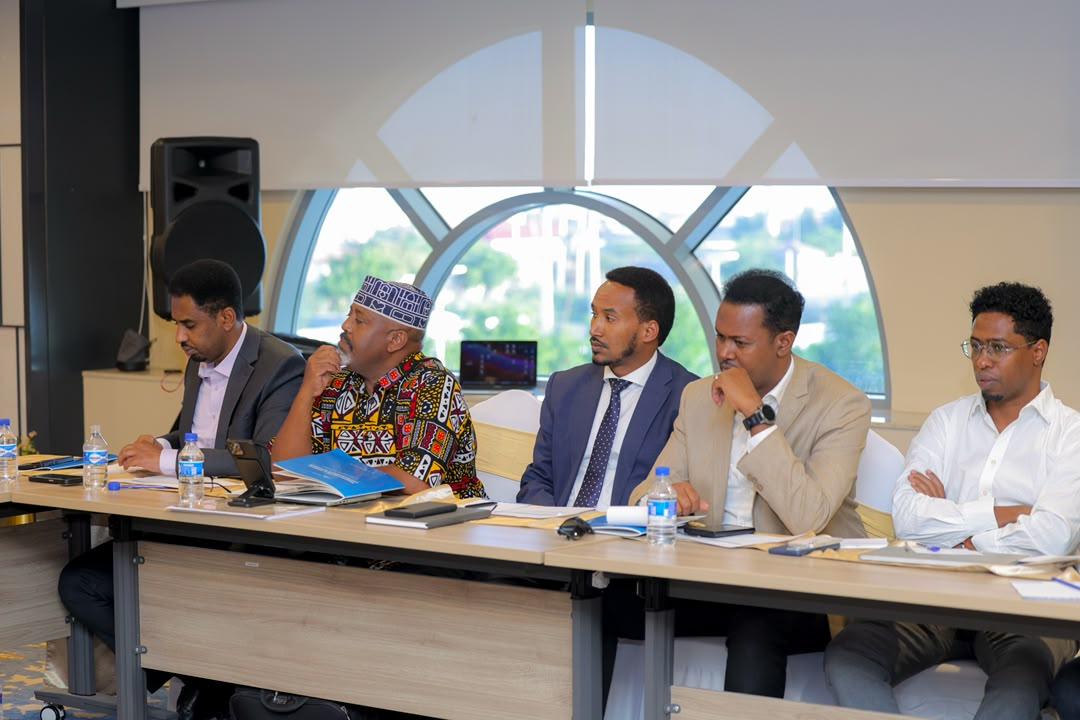
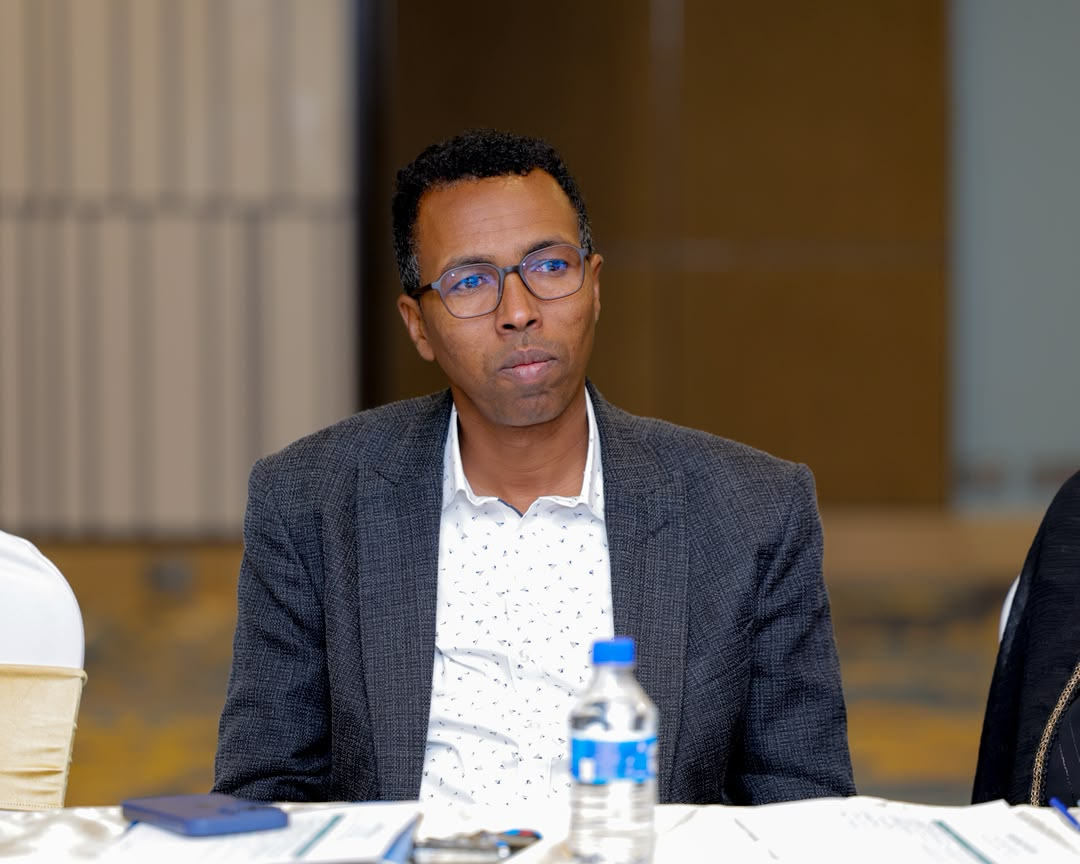
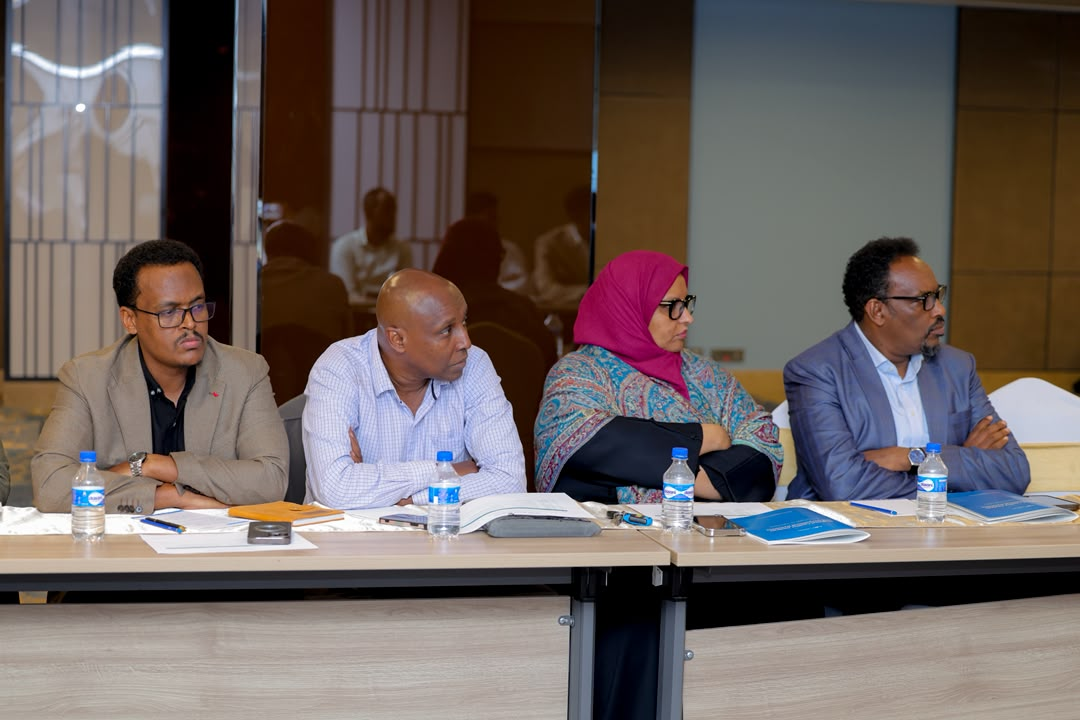
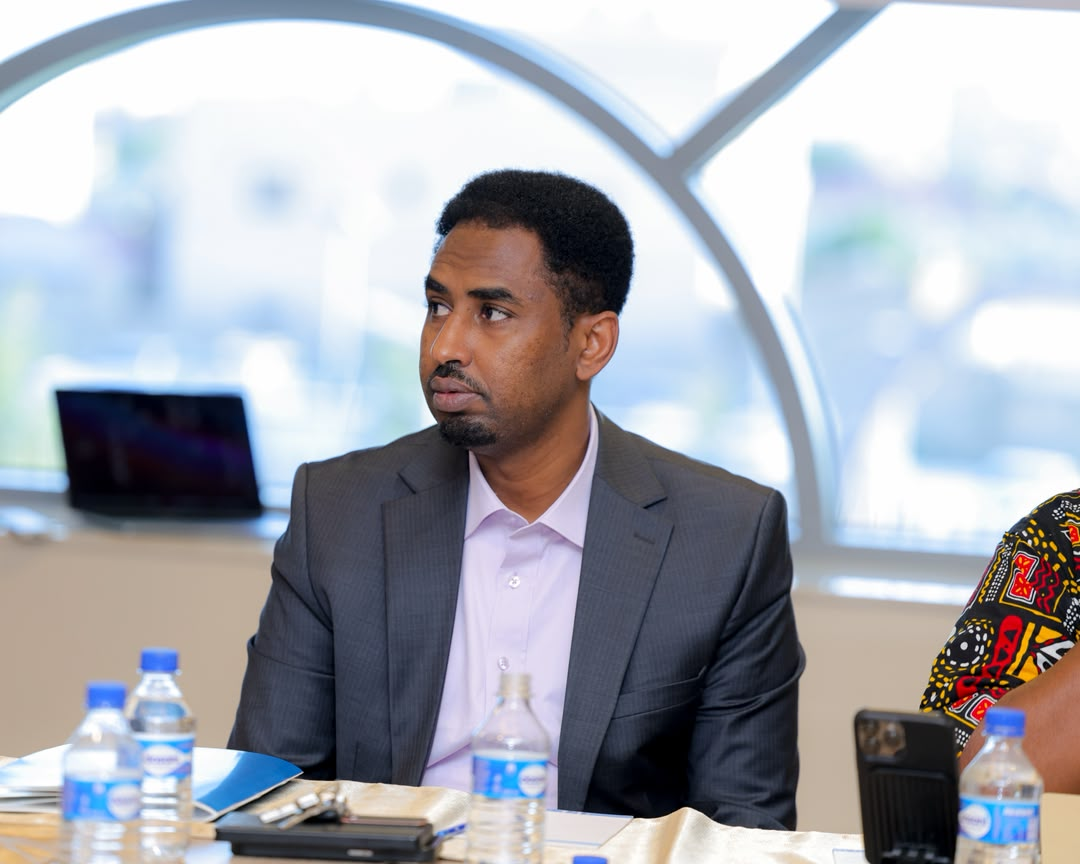
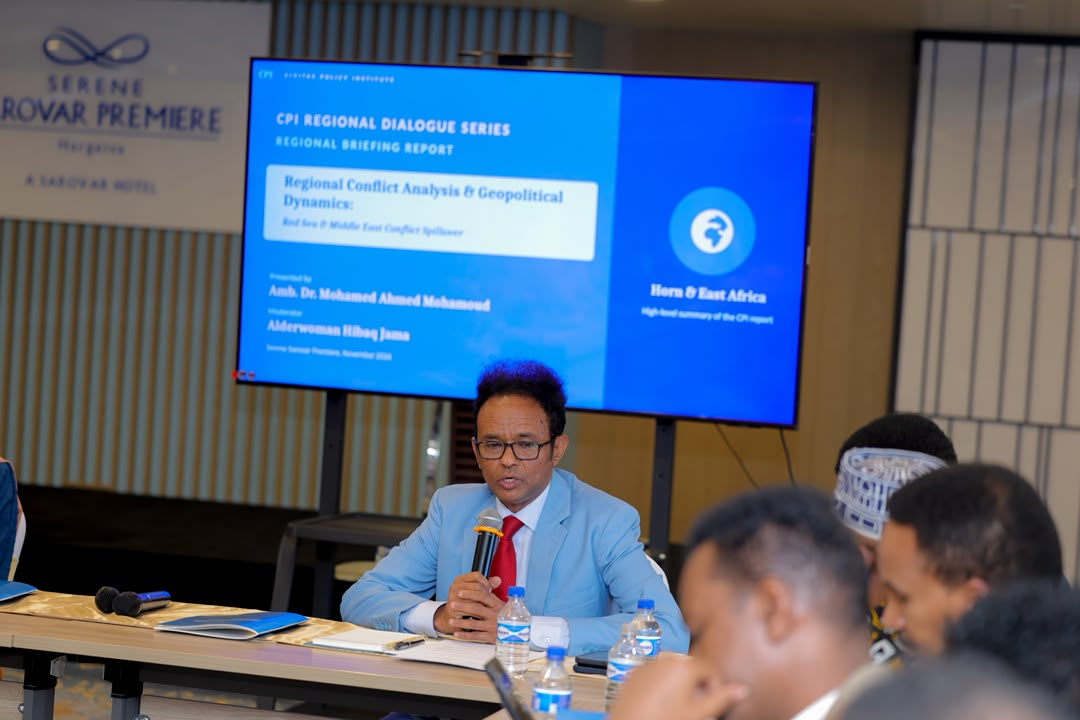
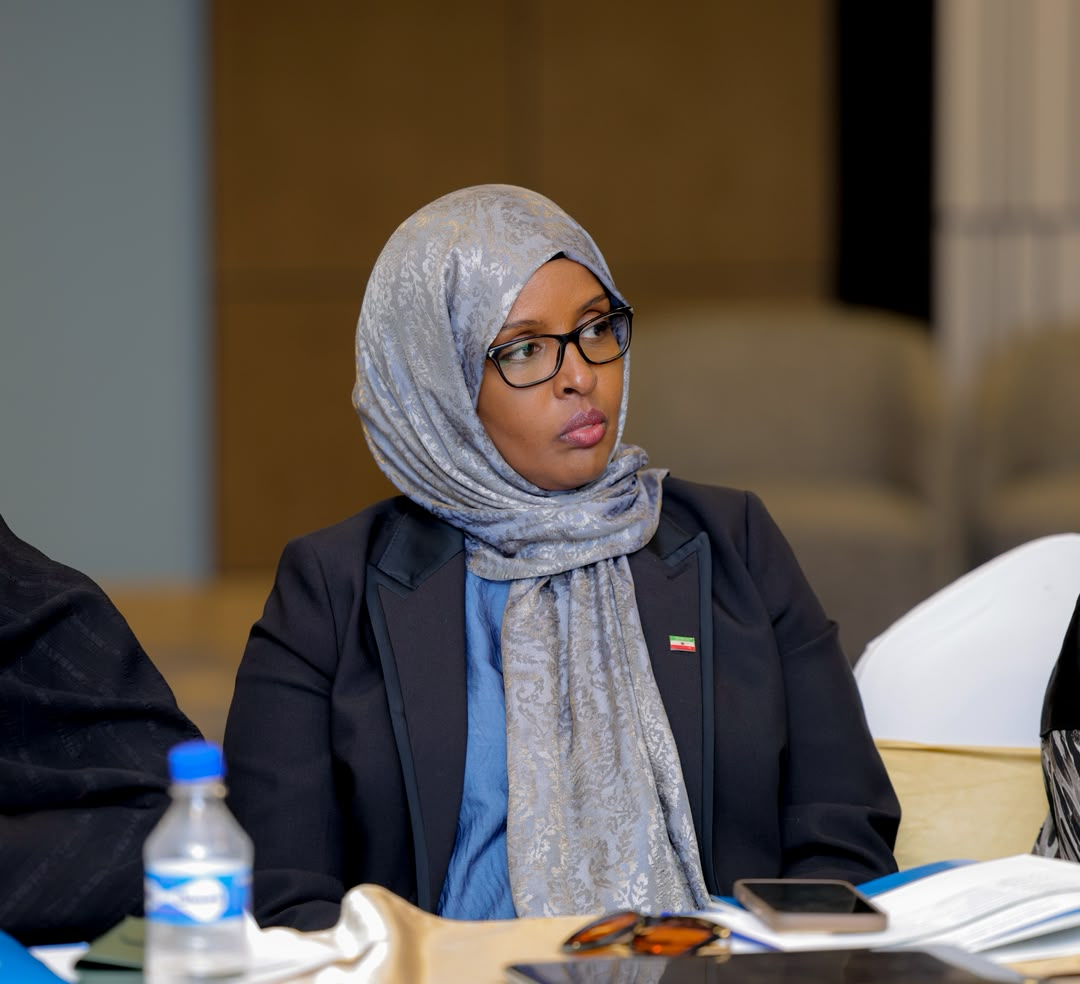
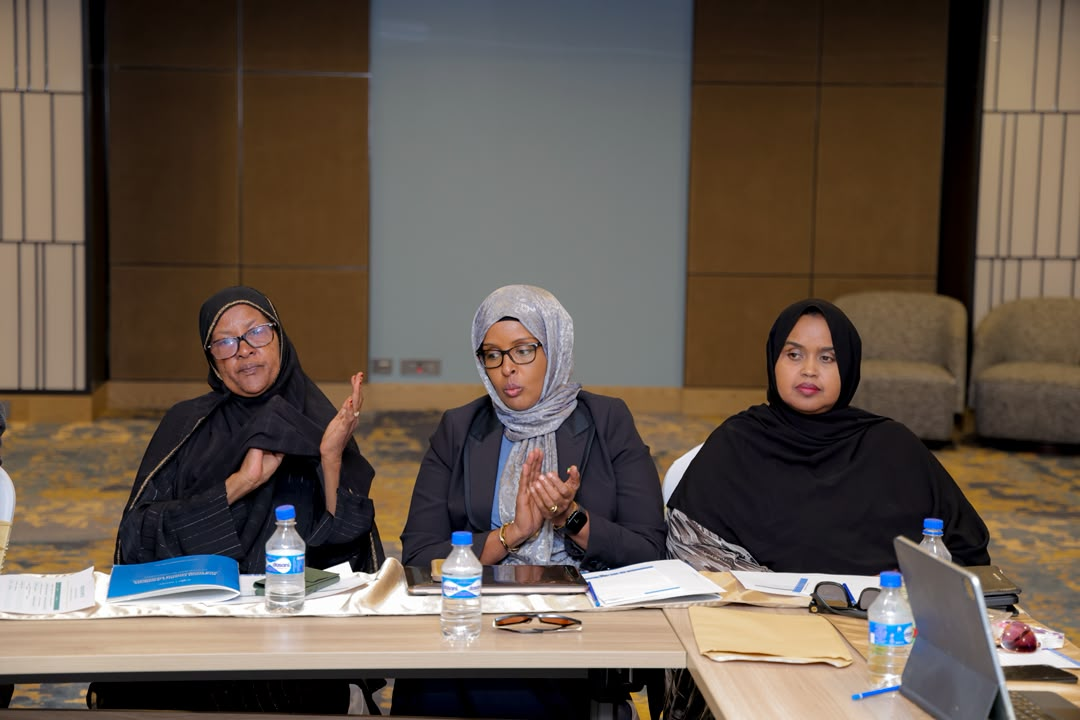
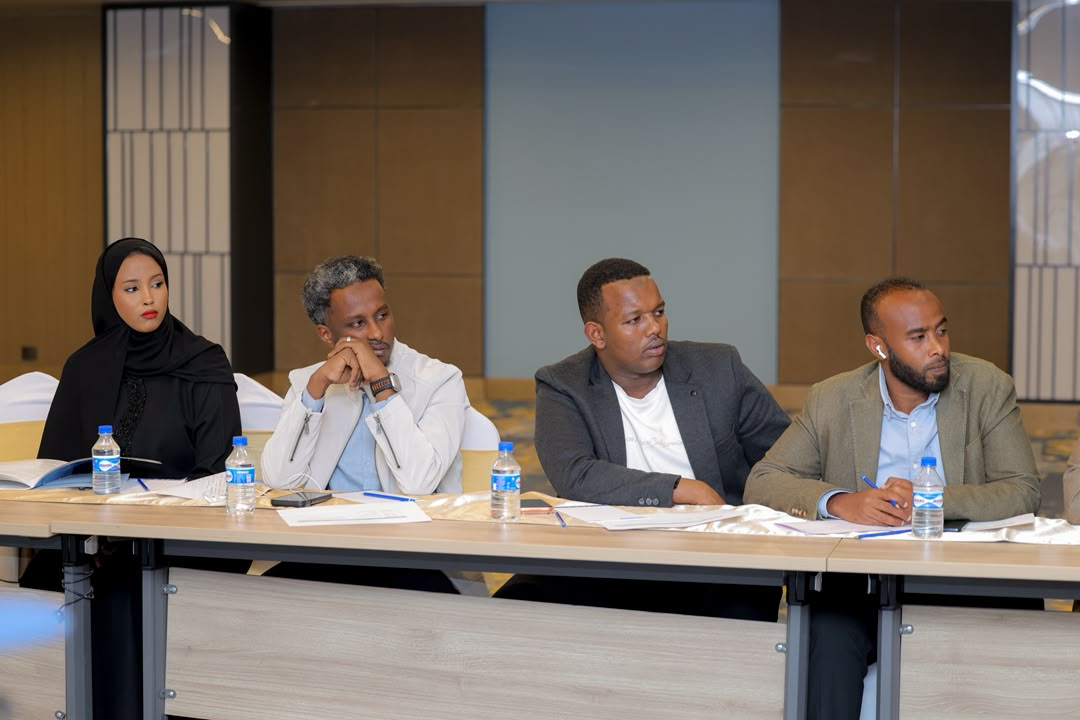
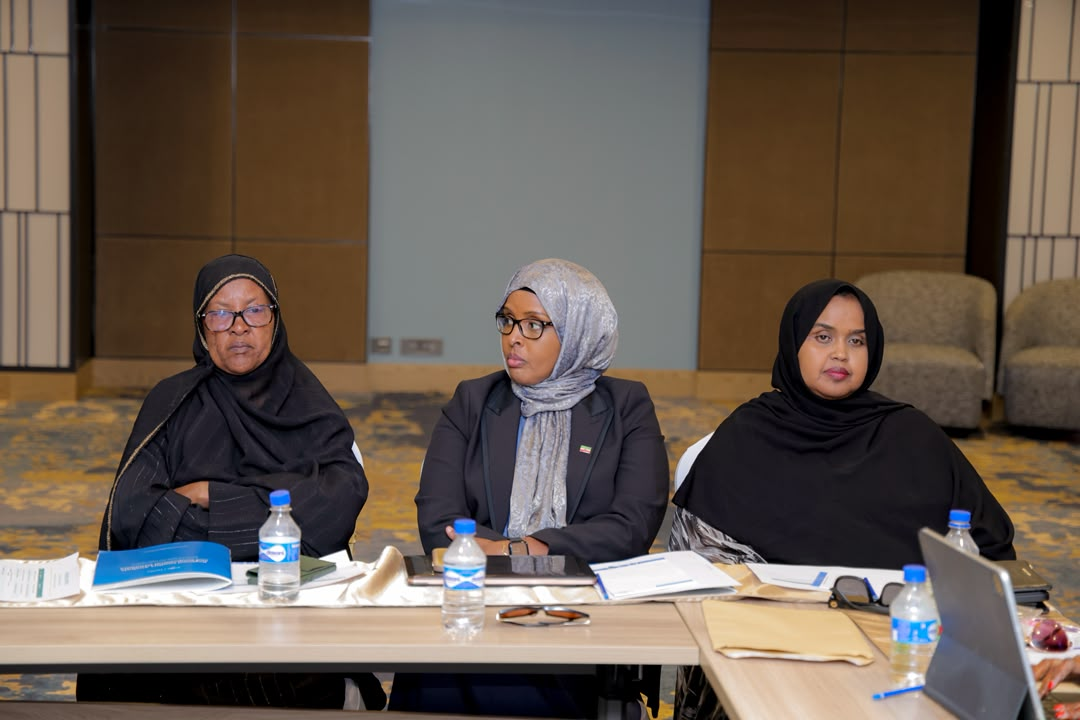
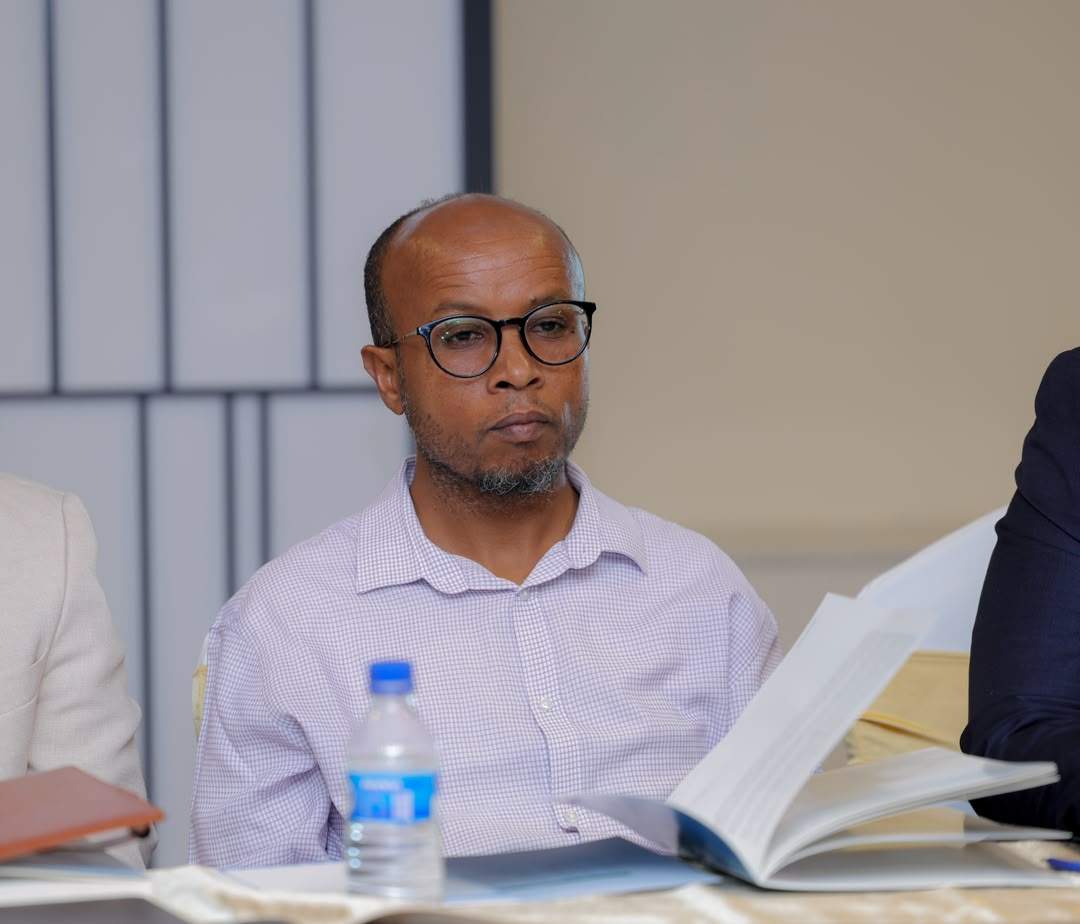
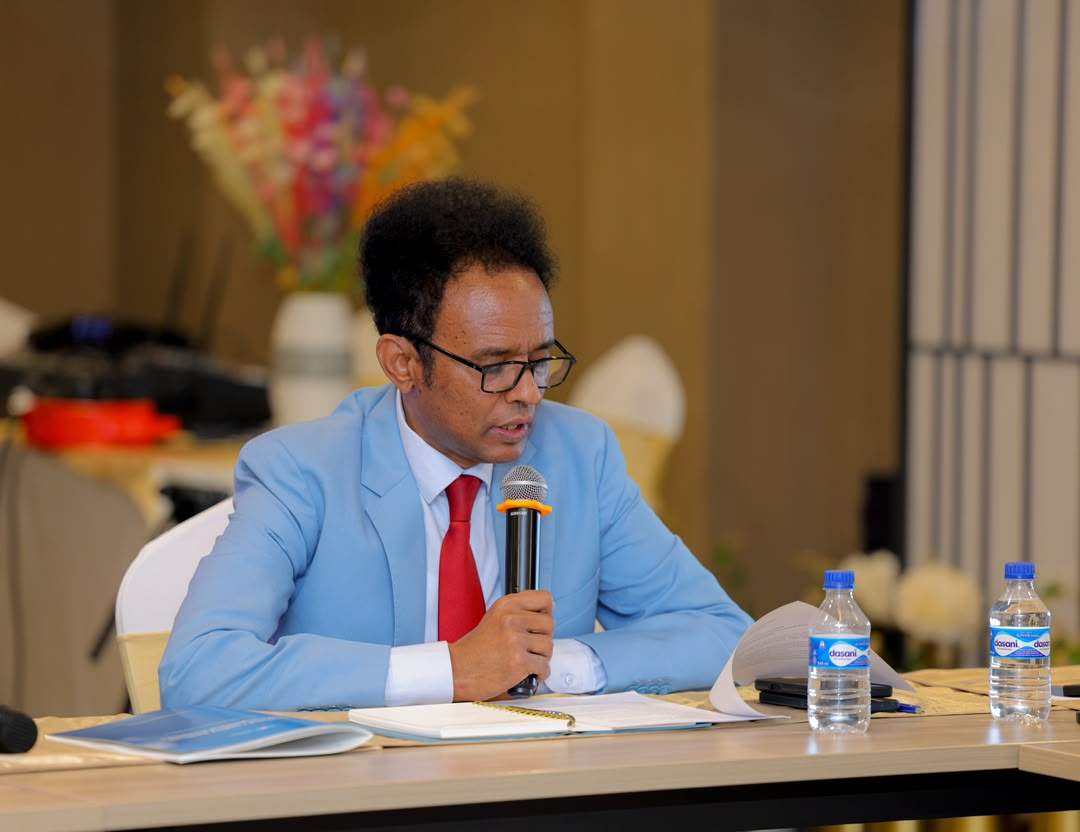
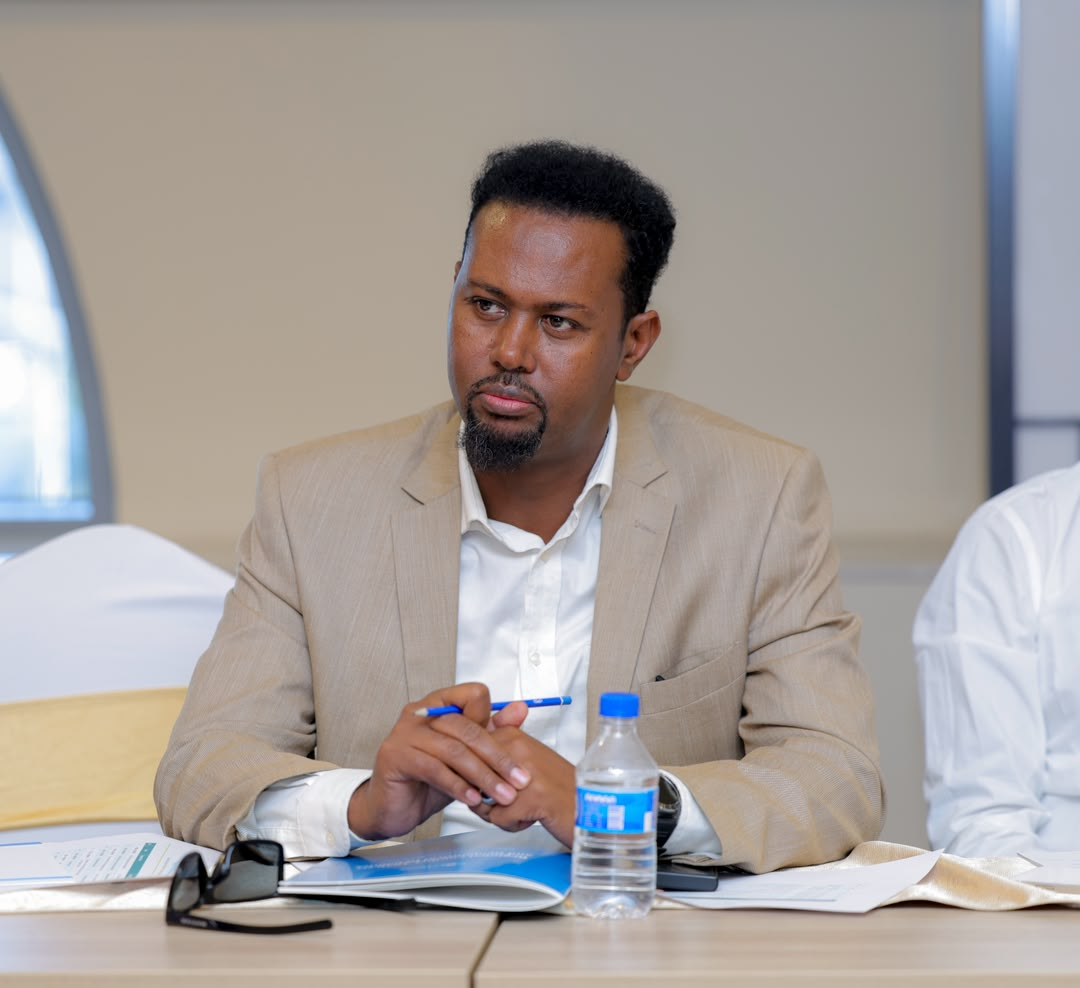
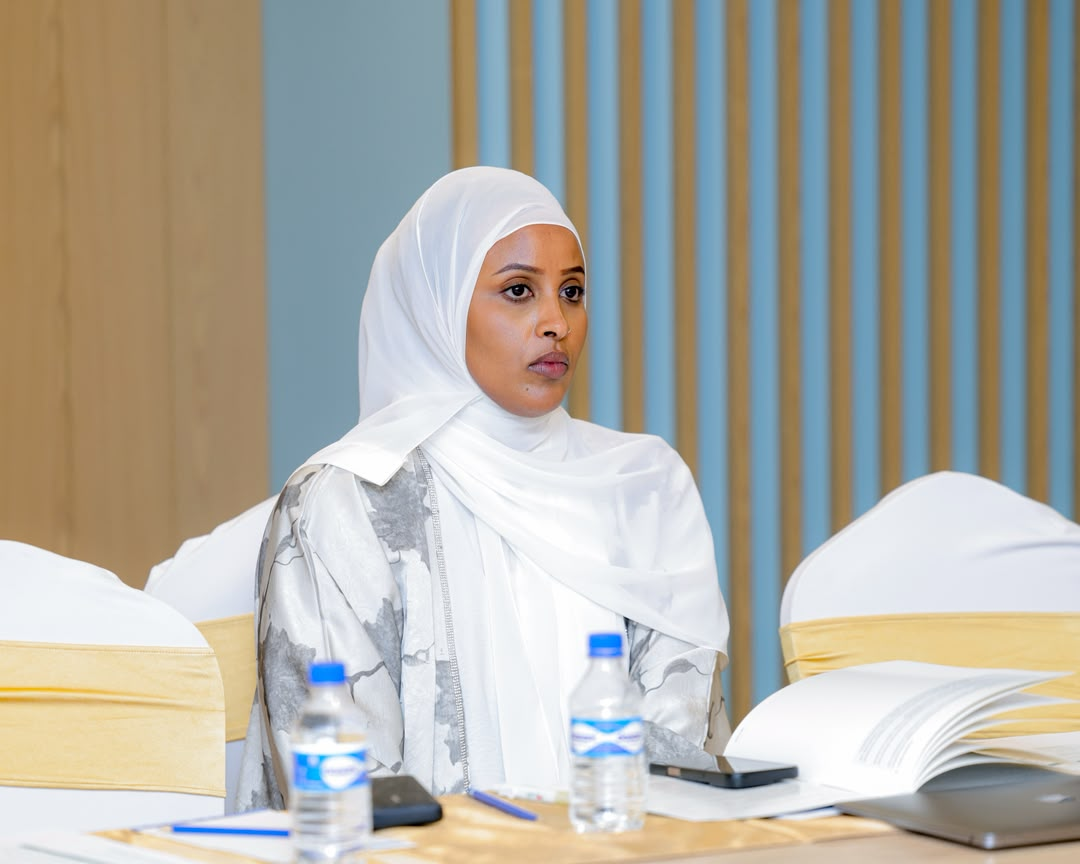
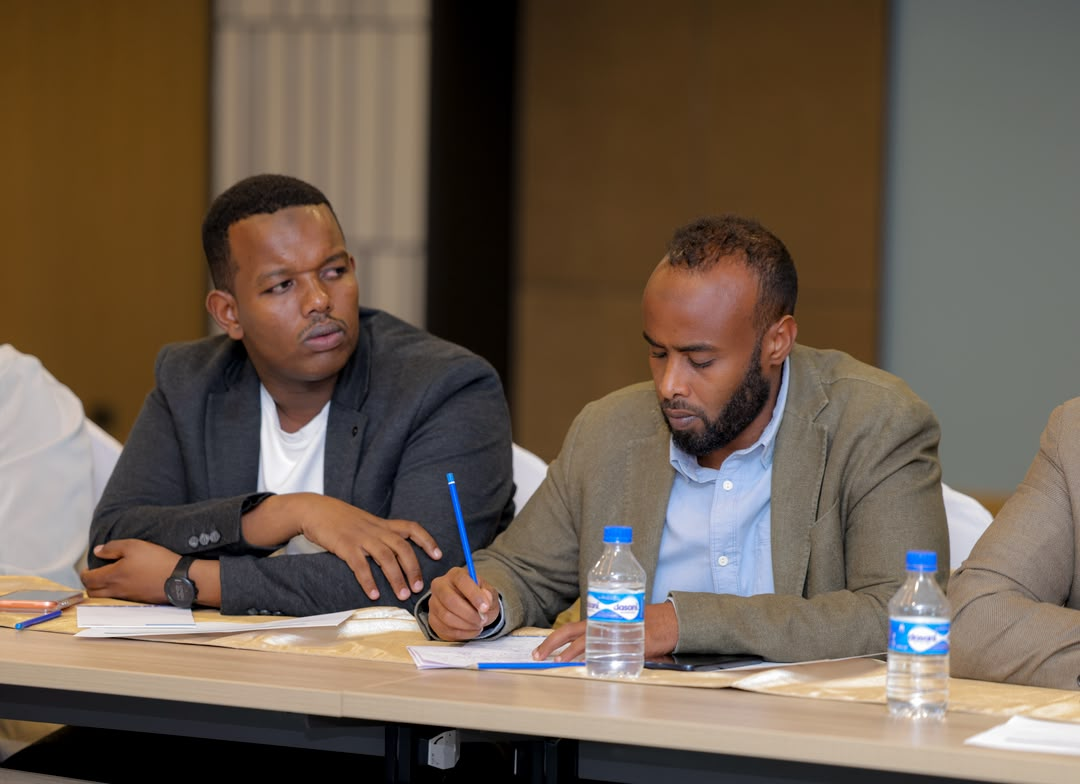
The meeting took place on November 23 at the Serene Sarovar Premiere Hotel. It brought together representatives of civil society groups, universities, research institutions, businesses and the Somaliland government.
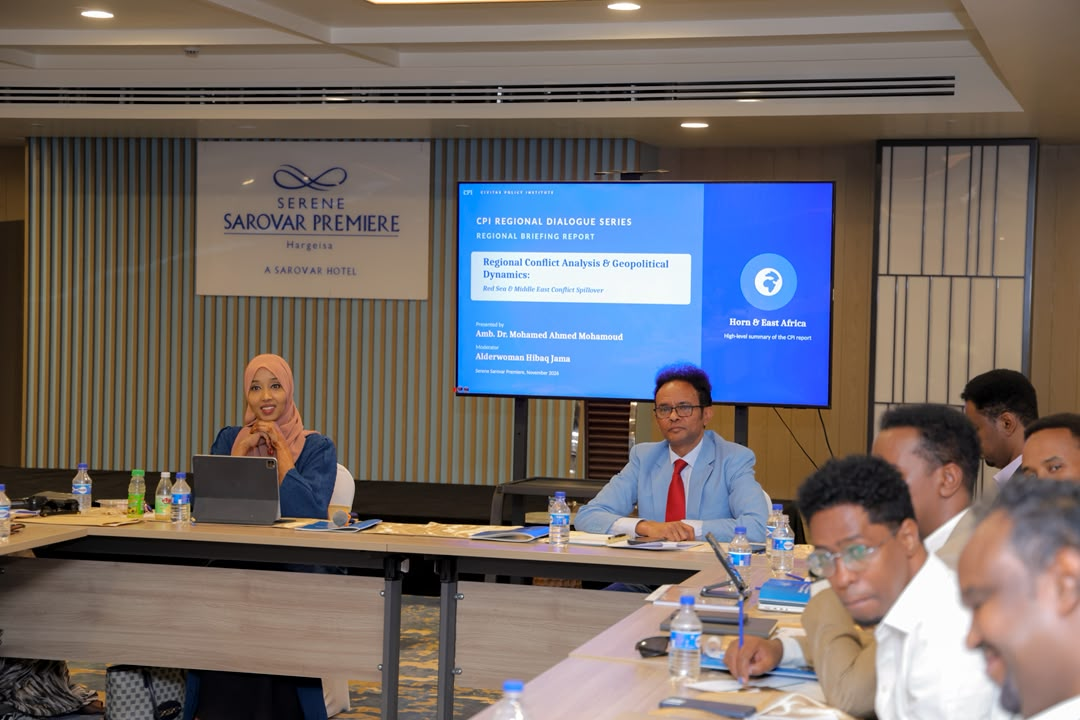
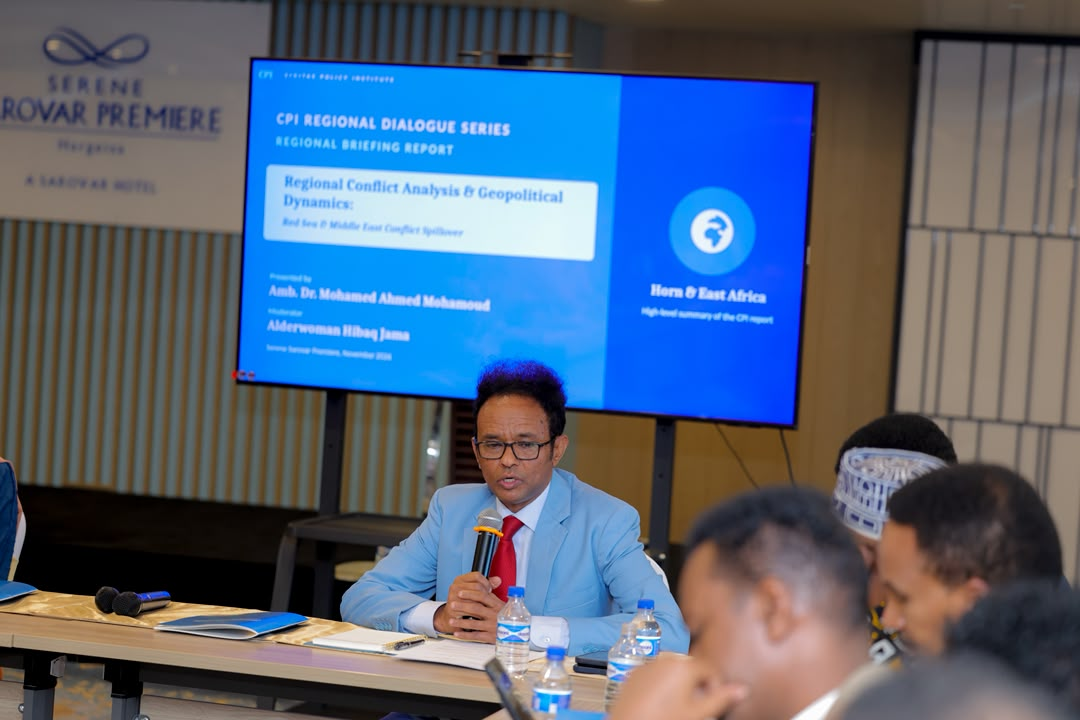
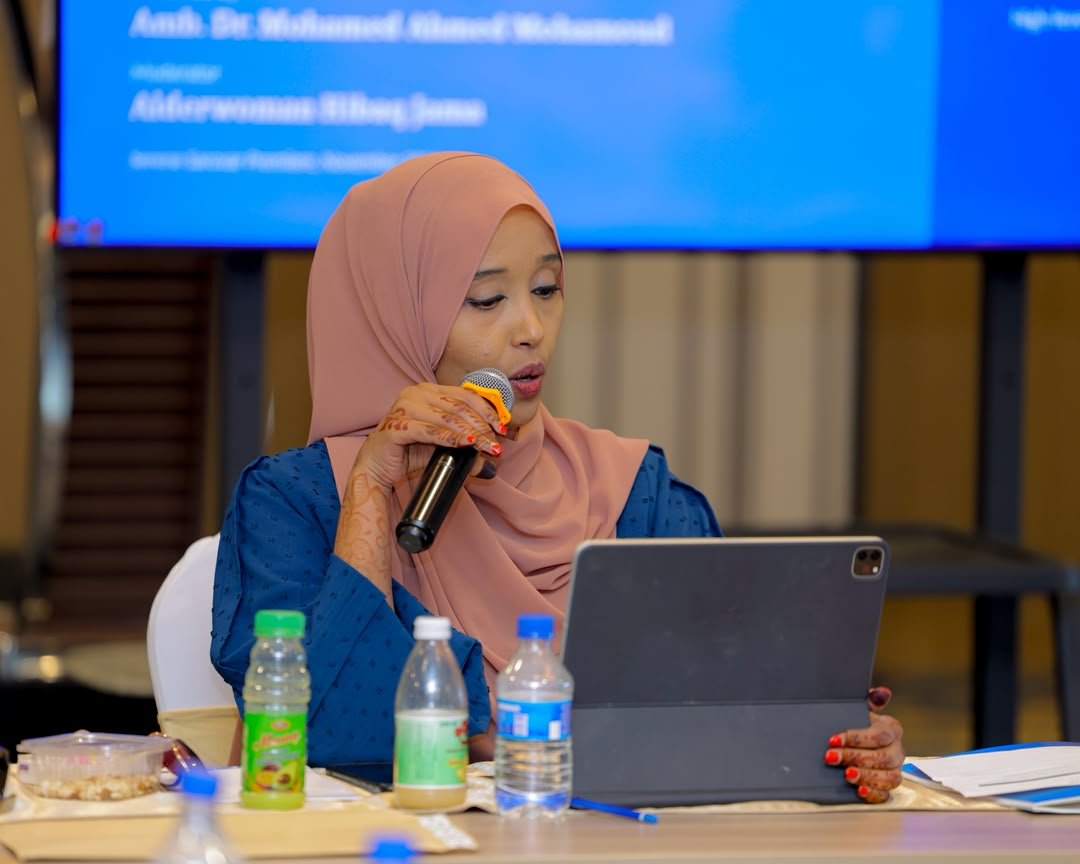
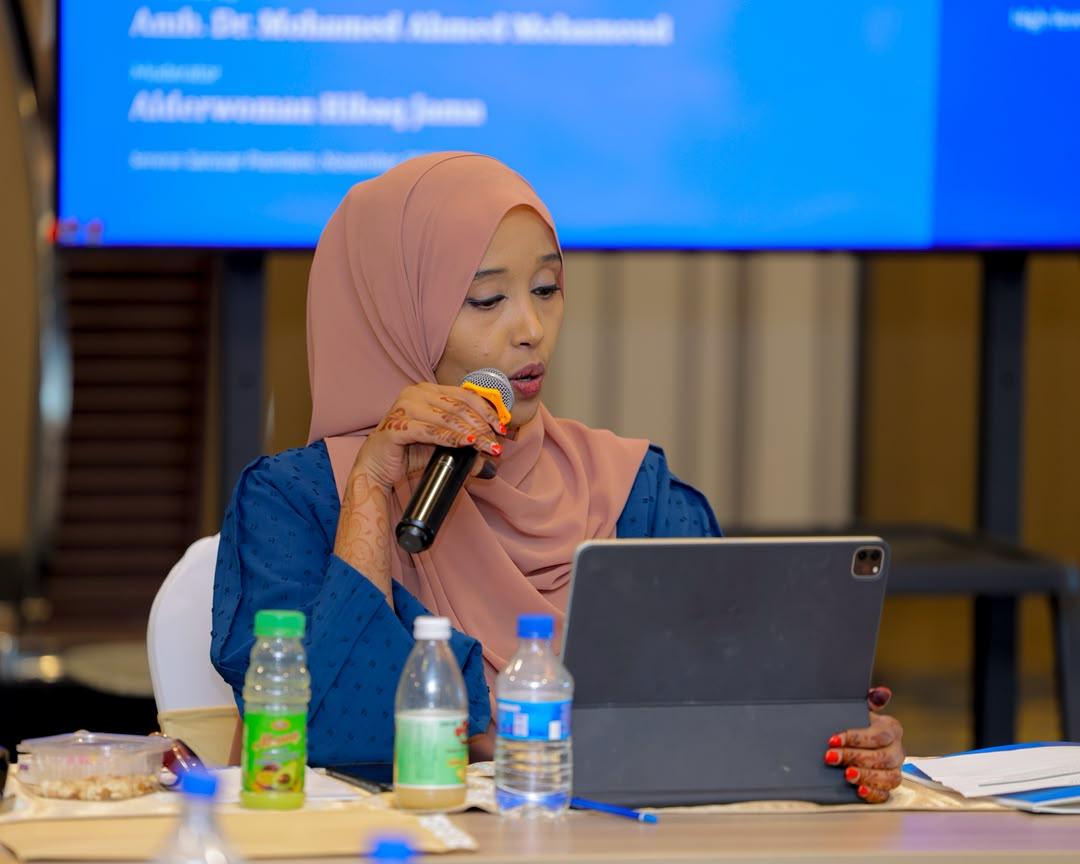
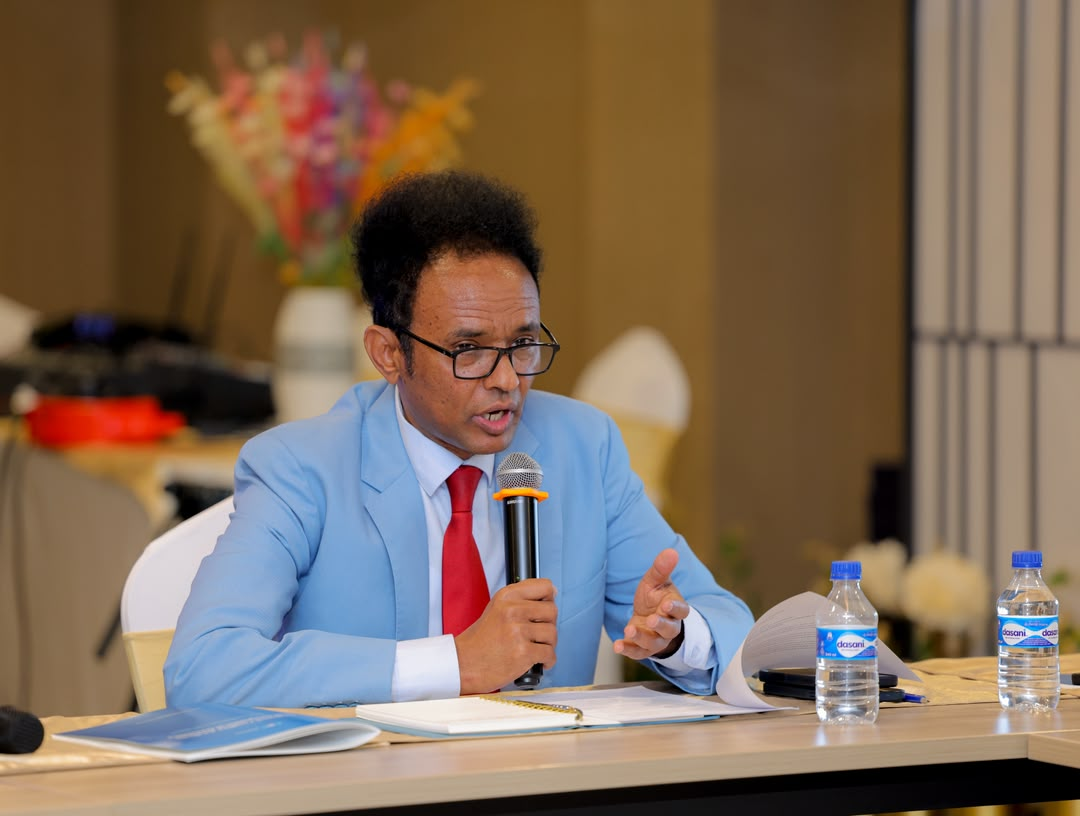
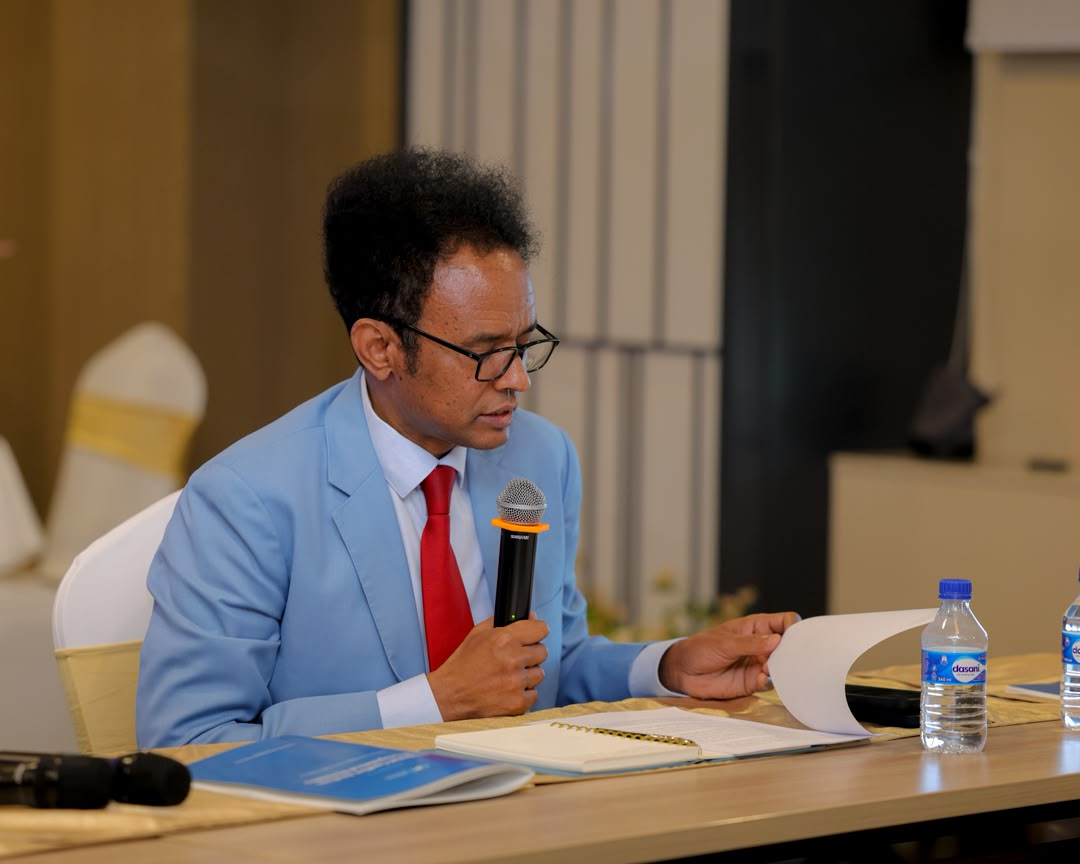
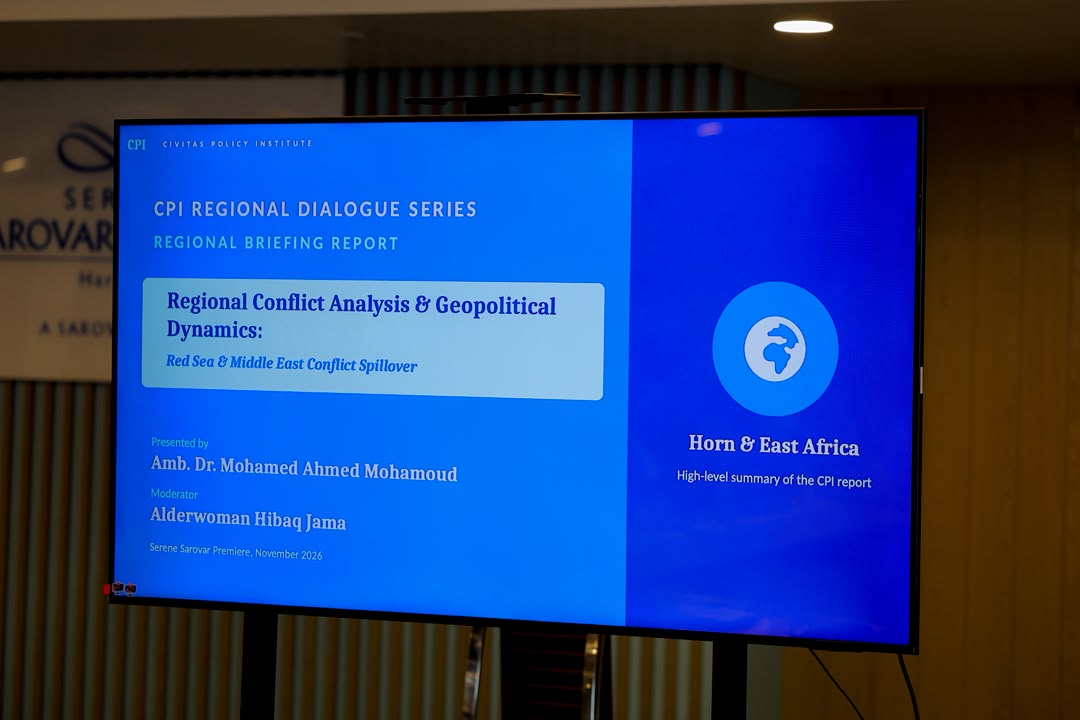
Alderwoman Hibaq Jama, a Senior Adviser Fellow at the Civitas Policy Institute (CPI), chaired the meeting. Meanwhile, Ambassador Dr. Mohamed Ahmed Barawani, Executive Director of CPI, presented the institute’s report.
The report, titled Regional Conflict Analysis and Geopolitical Dynamics: Red Sea and Middle East Conflict Spillover, examines political tensions, security risks and changing alliances in the region.
Participants discussed three main issues: maritime security, international relations and regional stability.
Somaliland’s Strategic Location
Participants highlighted Somaliland’s location along the Gulf of Aden. The territory also lies close to the Bab al-Mandeb Strait, one of the world’s key shipping routes.
The strait connects the Gulf of Aden to the Red Sea. As a result, any major disruption can affect international trade and shipping.
Participants said Somaliland should have a strong voice in discussions about the security of these waters. They also stressed that regional security plans must consider the interests of countries along the coast.
In addition, the meeting highlighted the importance of Berbera Port. Its location gives Somaliland a chance to expand trade links with the Horn of Africa and beyond.
However, participants noted that this opportunity requires investment, better infrastructure and stronger regional cooperation.
Israel Recognition and International Relations
The meeting also examined changes in Somaliland’s diplomatic relations.
Participants discussed Somaliland’s growing engagement with the United States. They also reviewed the importance of President Abdirahman Mohamed Abdillahi Irro’s visit to the United States in September.
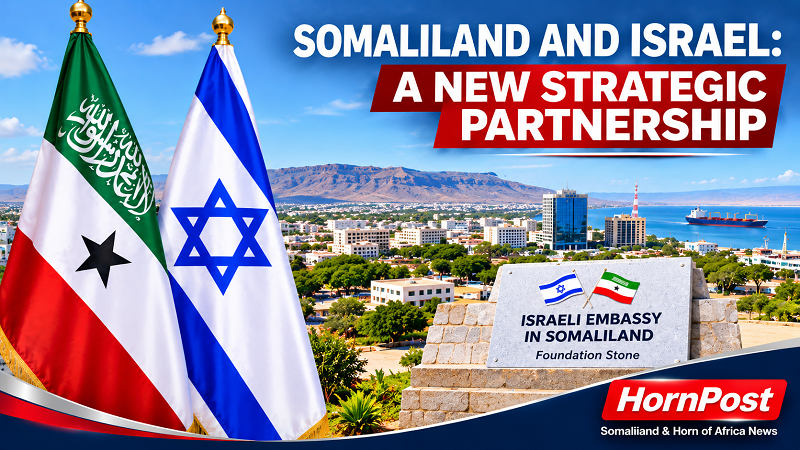
Another key topic was Israel’s recognition of Somaliland. Participants discussed how the decision could affect political ties and alliances across the Horn of Africa.
The CPI report examines these developments within wider regional changes. It also looks at growing competition among countries seeking political and security influence.
Participants said Israel’s recognition could affect the balance of power in the region. At the same time, they called for careful diplomacy and stronger ties with neighbouring countries.
Regional Security Concerns
The meeting raised concerns about conflicts and political tensions across the Horn of Africa.
Participants warned that growing military alliances could increase regional risks. They said countries need stronger cooperation to prevent further instability.
They also identified terrorism, piracy and human trafficking as major security threats.
For this reason, participants called for joint action to protect shipping routes. They also urged governments to improve security cooperation across the Red Sea and Gulf of Aden.
The meeting described Somaliland as an important partner in regional peace and security. Participants pointed to its experience in local peacebuilding and state development.
Analysis: Somaliland’s Location Offers Opportunities and Challenges
Somaliland’s location gives it an important position in regional politics. Its coastline overlooks major shipping routes. Meanwhile, Berbera Port offers access to trade networks across the Horn of Africa.
These advantages could help Somaliland attract investment and build stronger international partnerships.
However, location alone cannot guarantee economic growth or diplomatic success. Somaliland must also improve infrastructure, strengthen public institutions and create a stable business environment.
Maritime security offers one area for closer cooperation. For example, Somaliland could work with regional and international partners on port security, information sharing and safe shipping.
Such cooperation could also help fight piracy and illegal trafficking.
At the same time, growing competition among international powers presents risks. Strong ties with one country may affect relations with another. This is especially important when regional disputes involve major international powers.
Therefore, Somaliland needs a balanced foreign policy. It must protect its national interests while maintaining peaceful relations with neighbouring countries and other international partners.
There is also a clear economic opportunity. Berbera Port could become an important trade gateway for the region. However, this will depend on better roads, transport services and trade links.
Ultimately, Somaliland needs to turn its strategic location into practical benefits. These should include more investment, jobs, trade and stronger public services.
Participants Call for More Research and Dialogue
The meeting ended with a call for regular research and national discussions on regional developments.
Participants said Somaliland needs to follow political and security changes across the Horn of Africa and the Red Sea. They also called for greater cooperation between government institutions, universities, researchers and businesses.
In addition, they urged the international community to recognise Somaliland’s role in regional security, trade and stability.
The organisers said continued dialogue would help Somaliland respond to new challenges. They also stressed the need for informed decisions as regional political and security conditions continue to change.
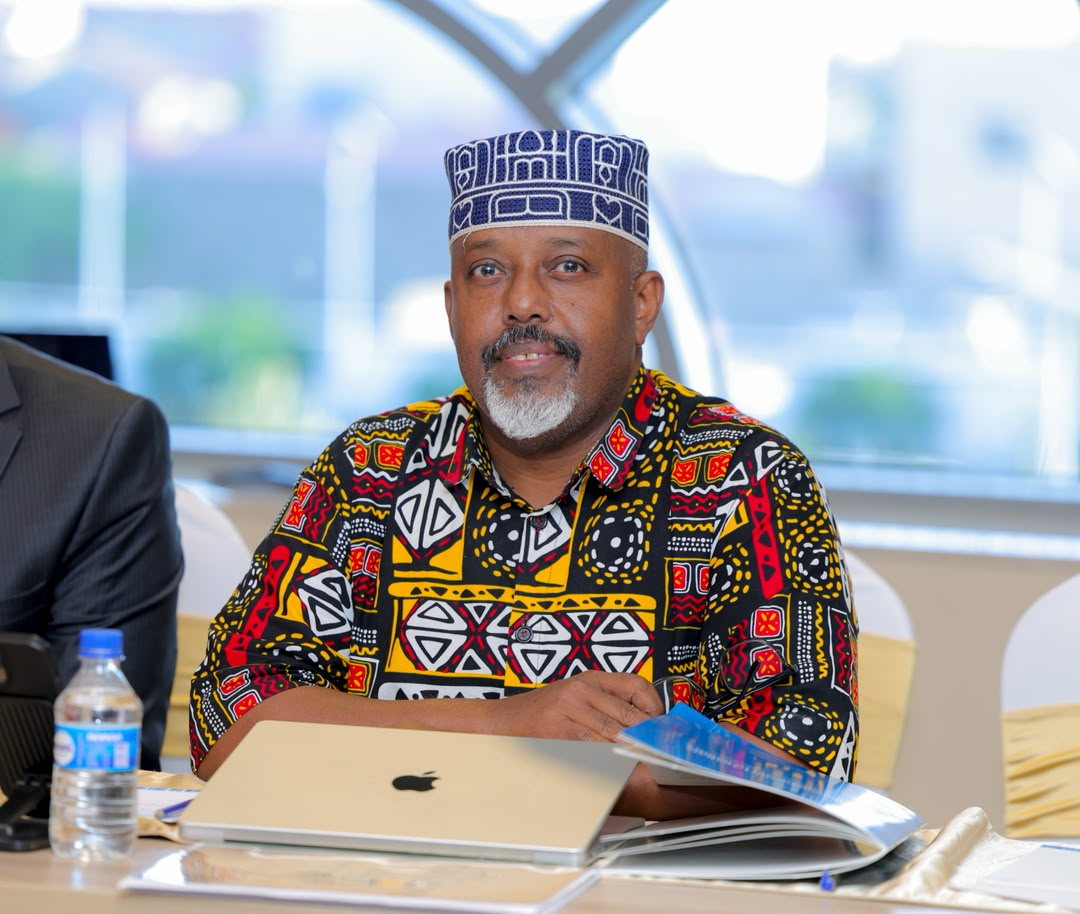
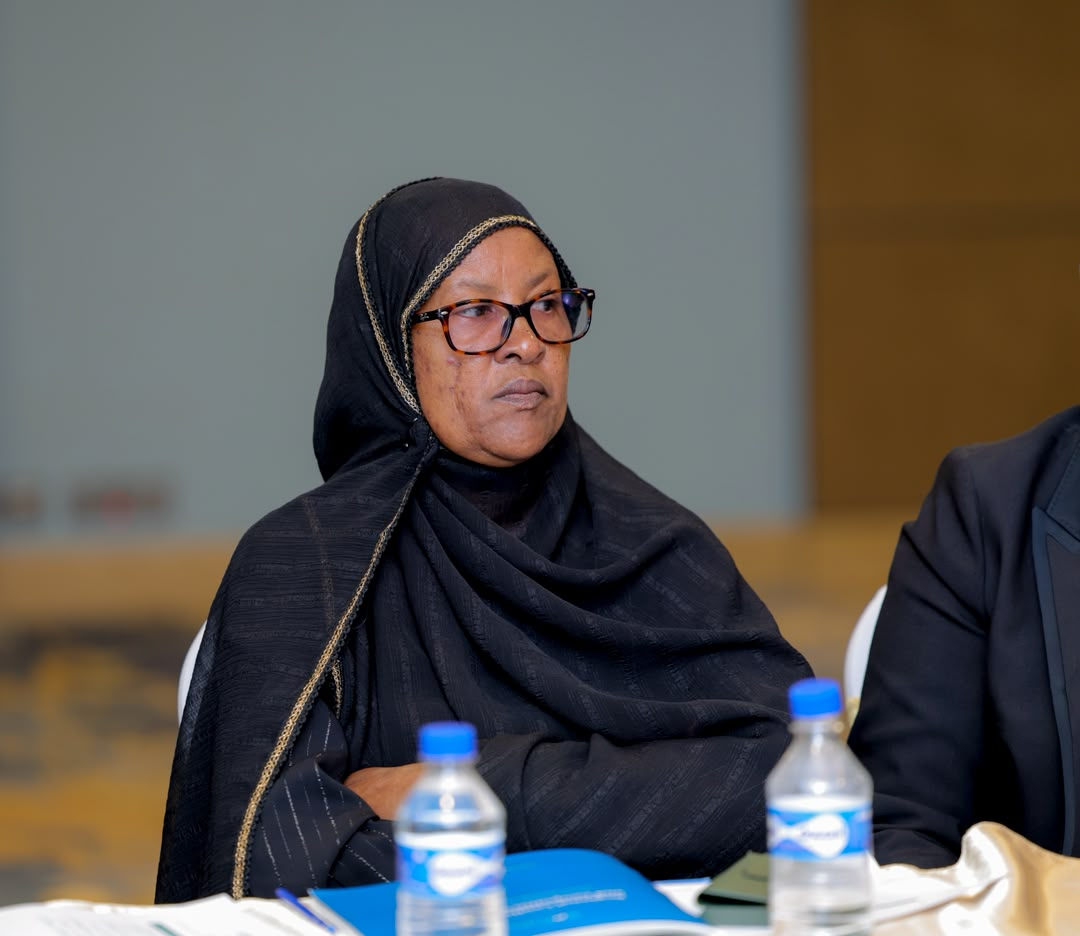
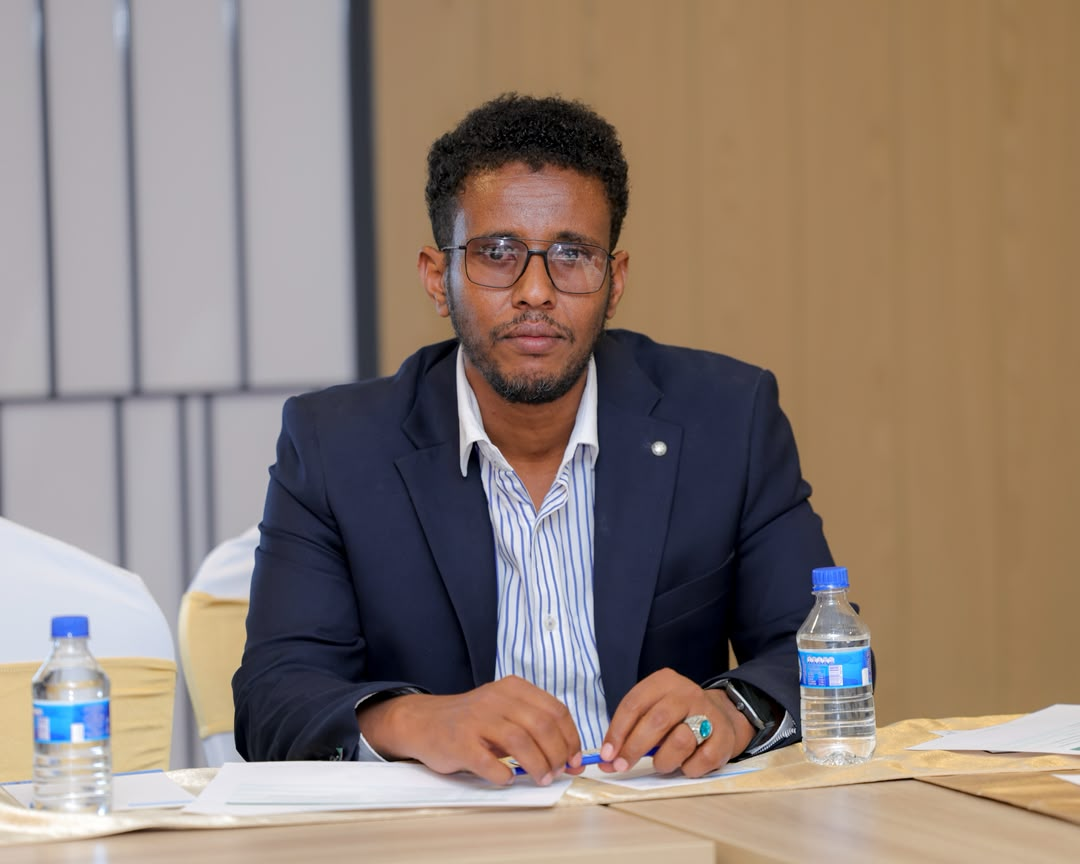
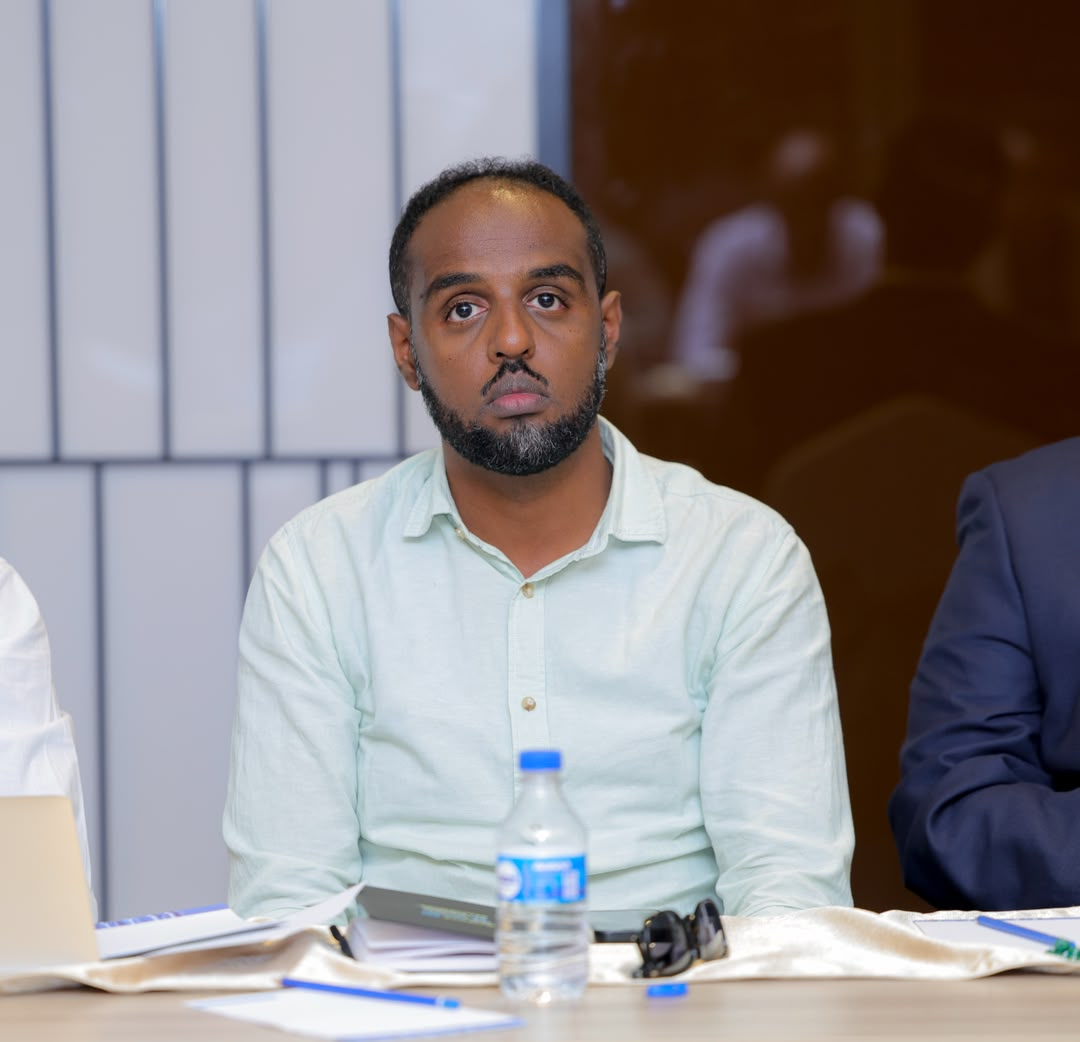
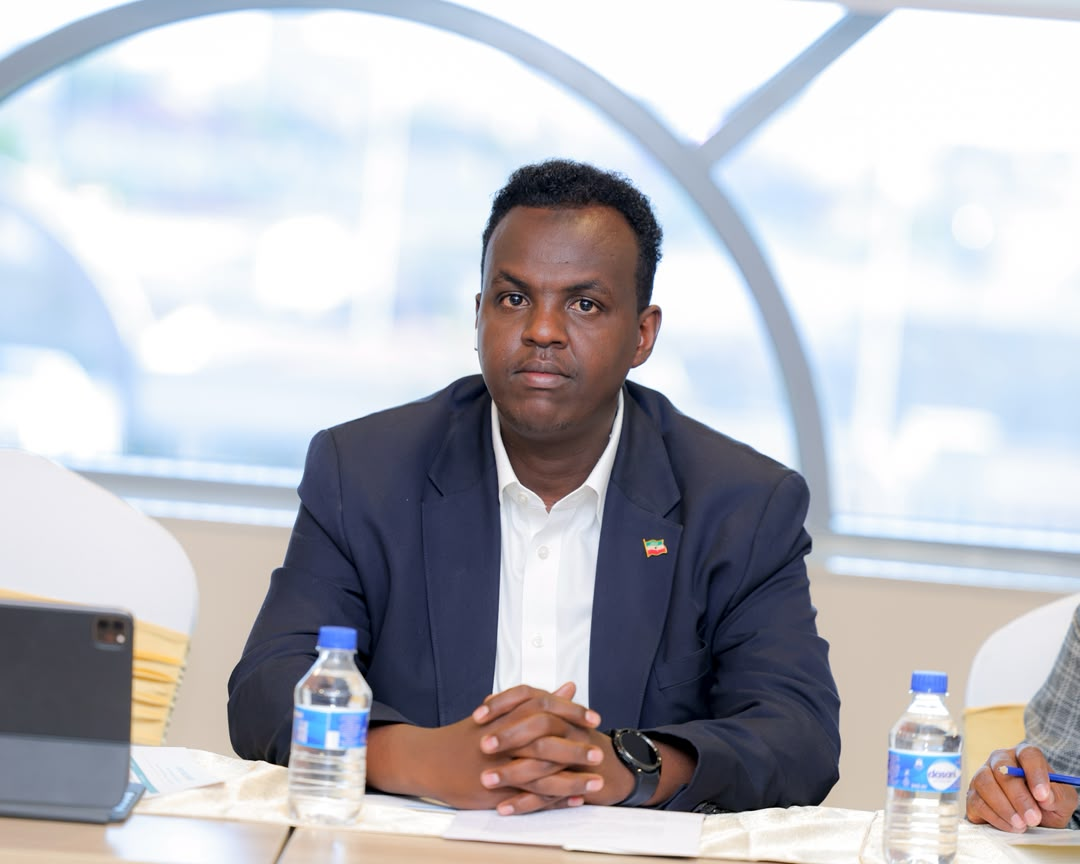
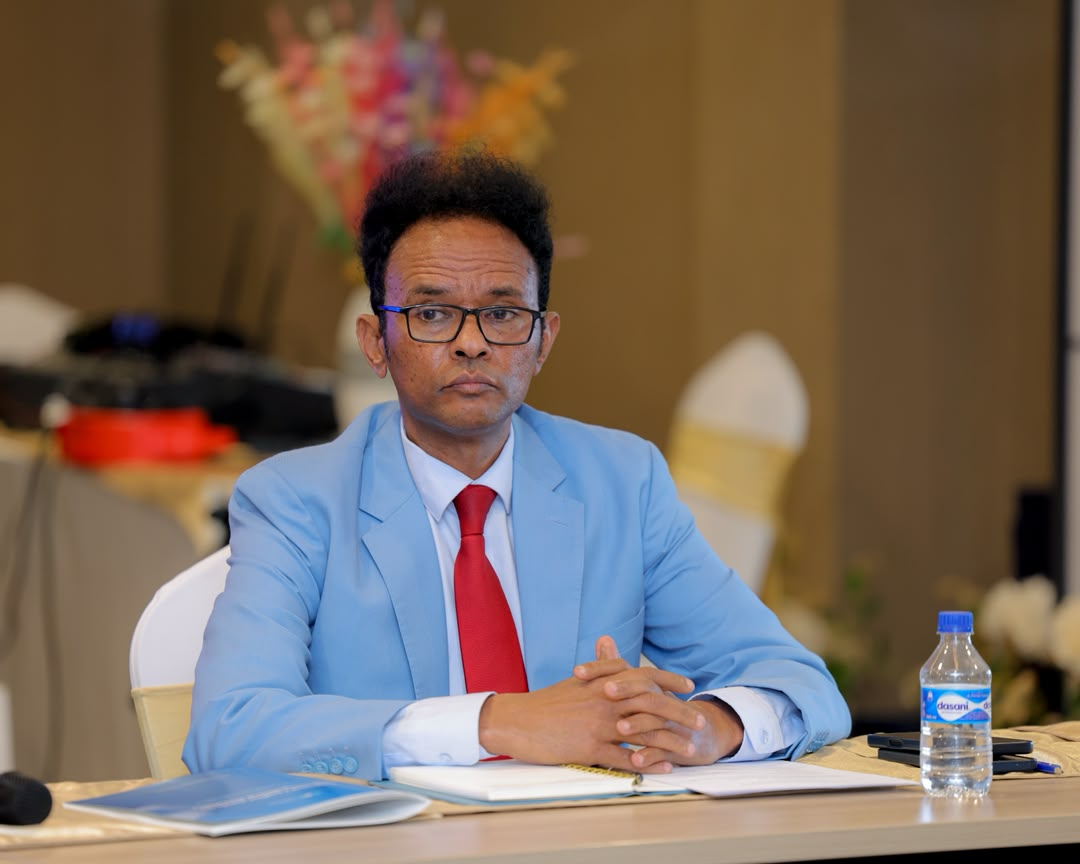
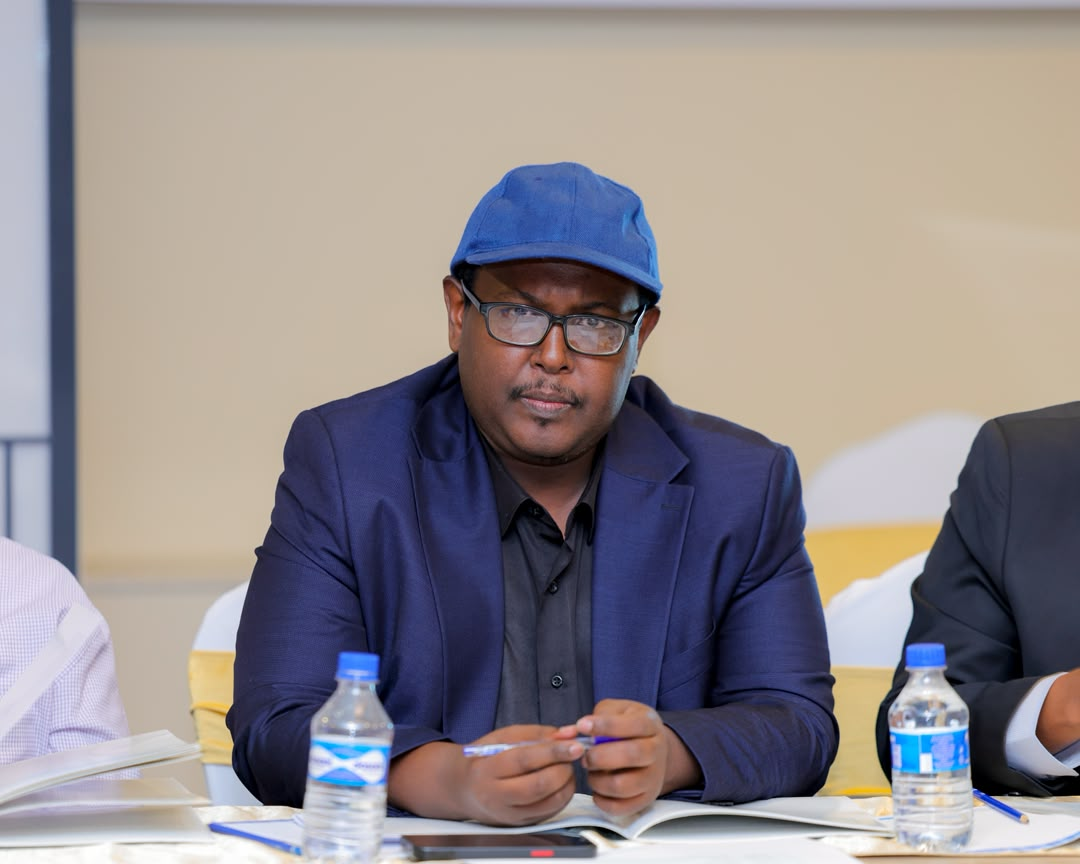
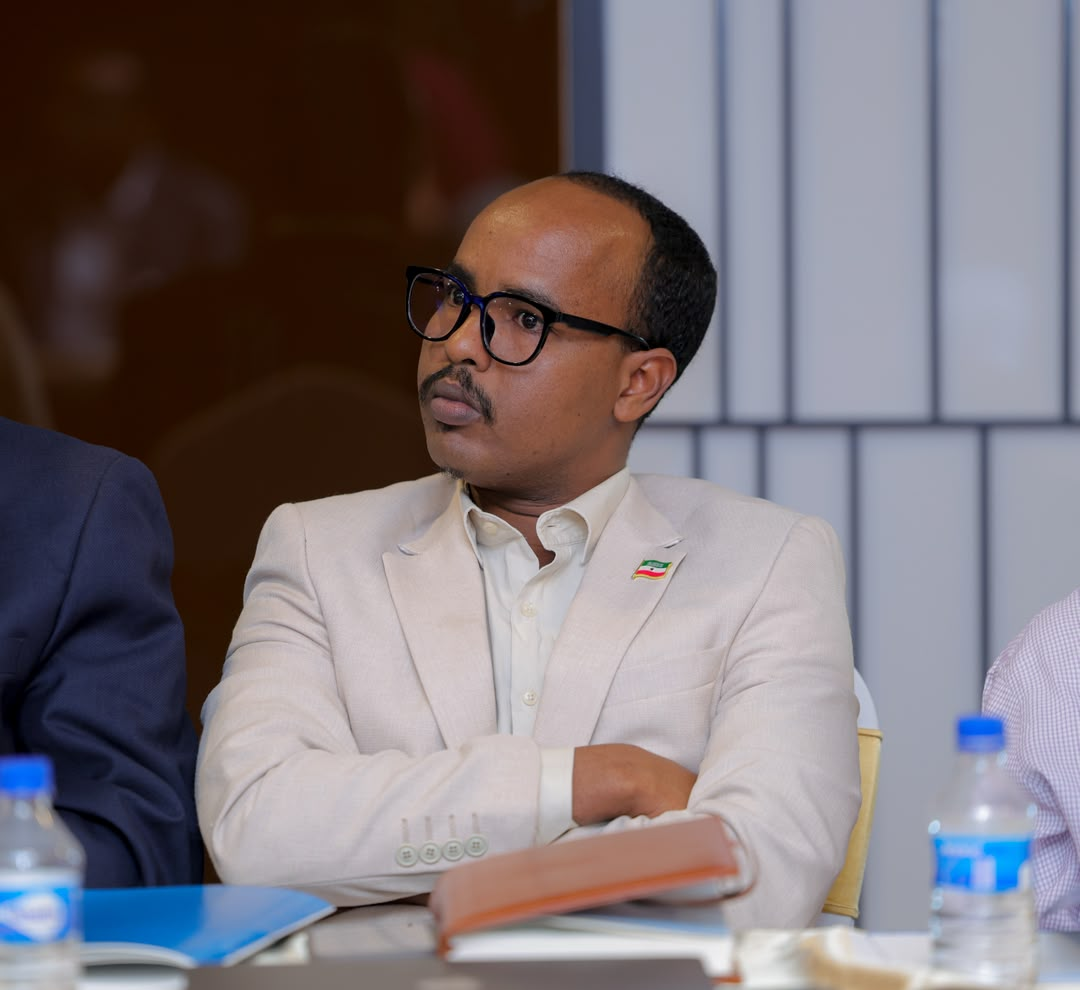
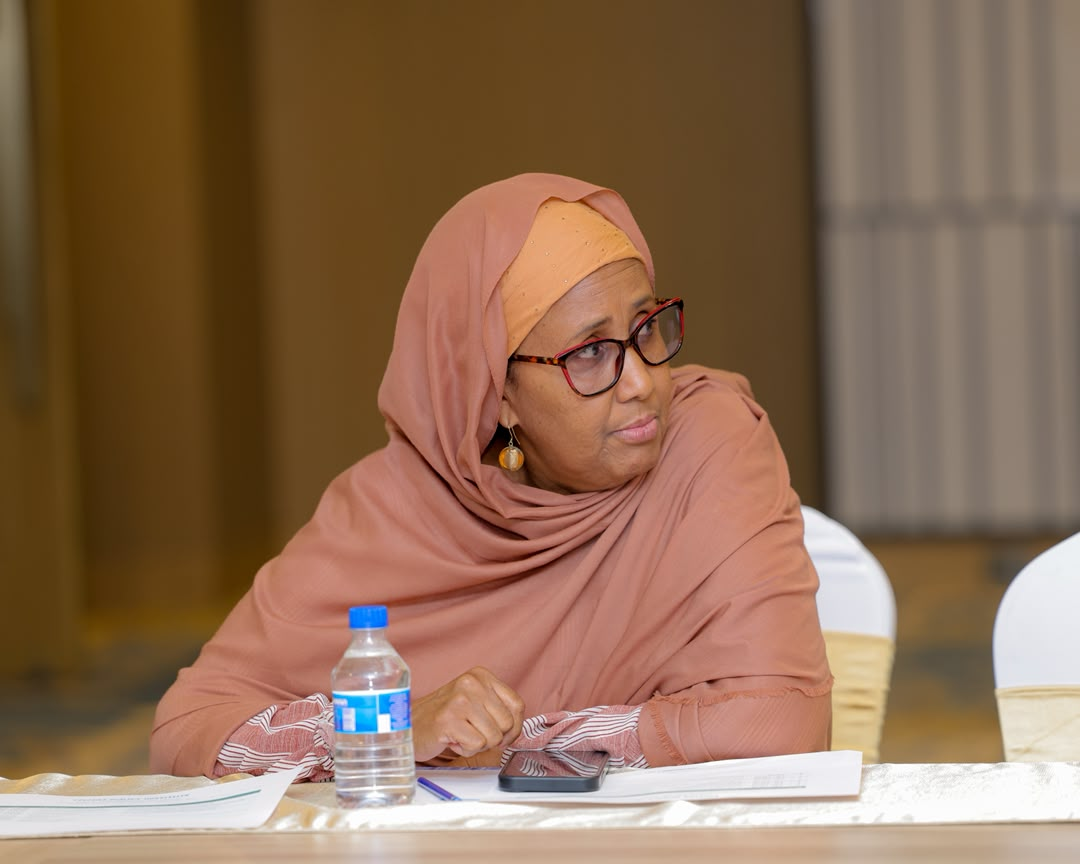
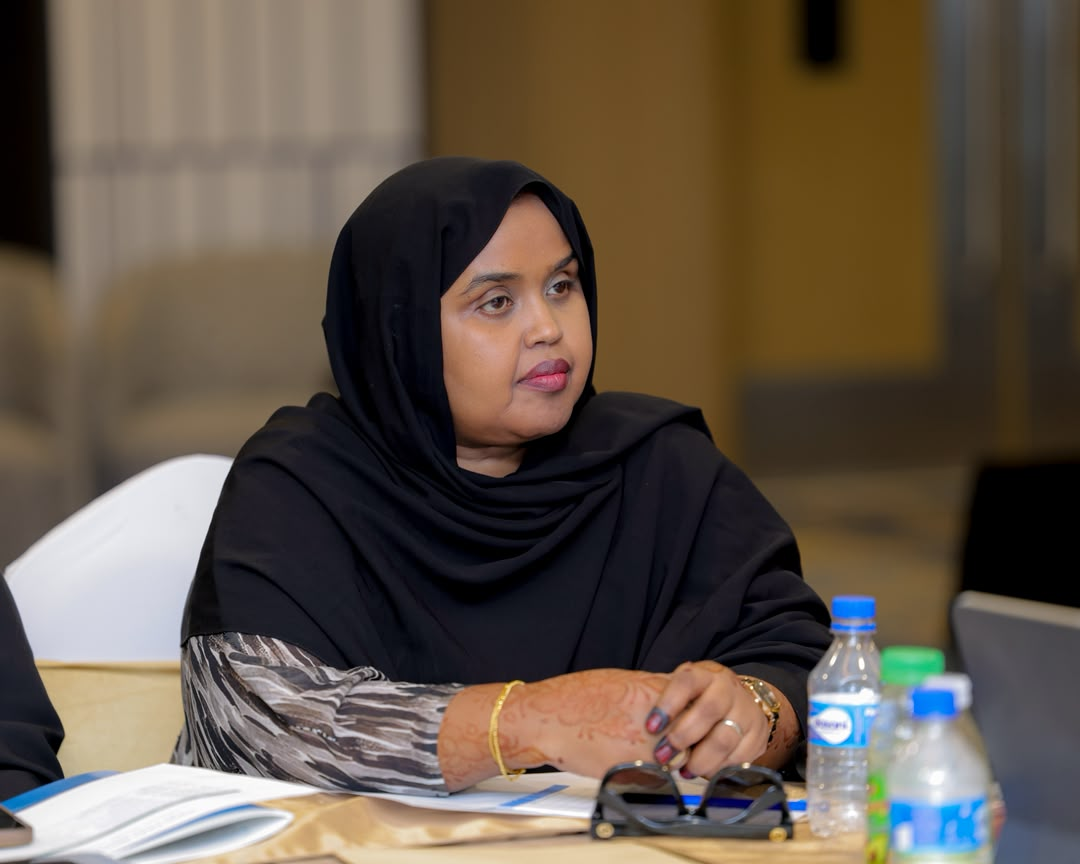
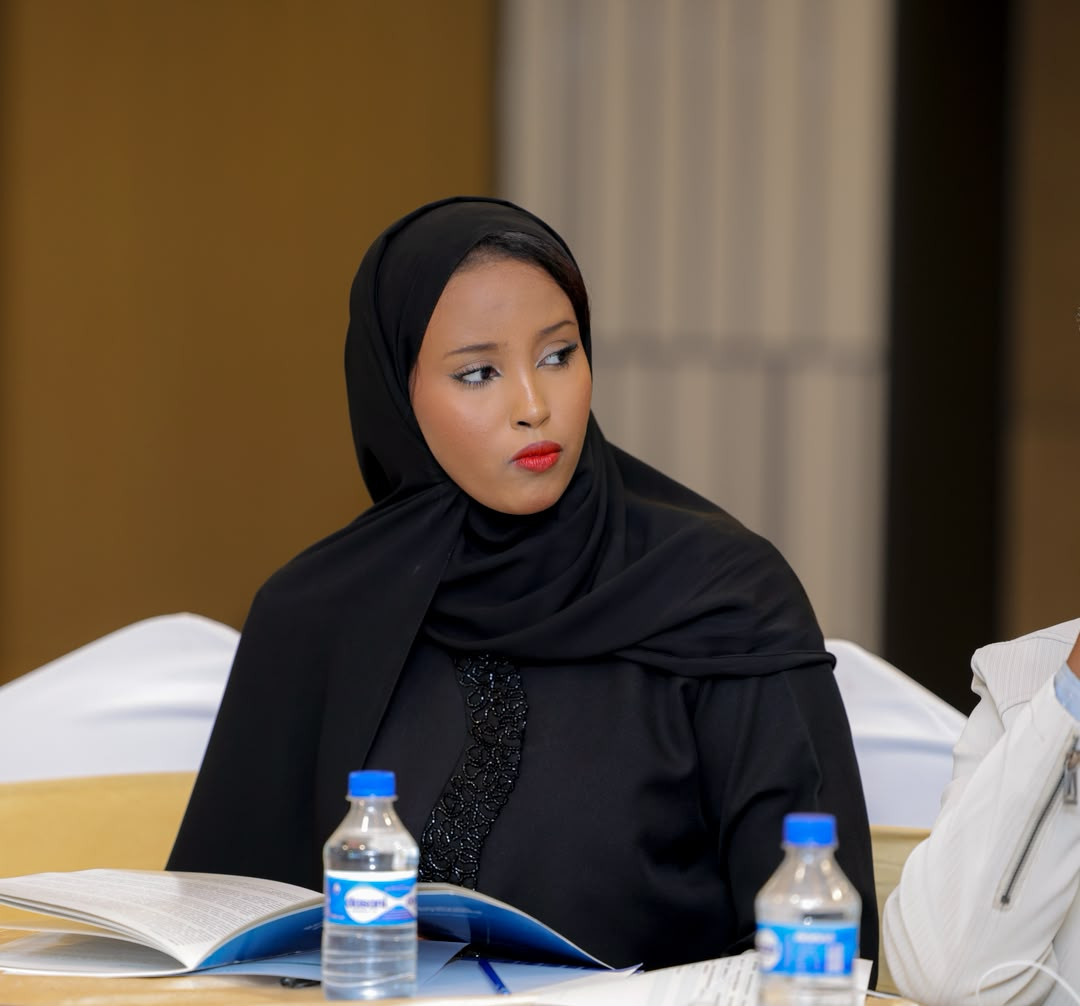
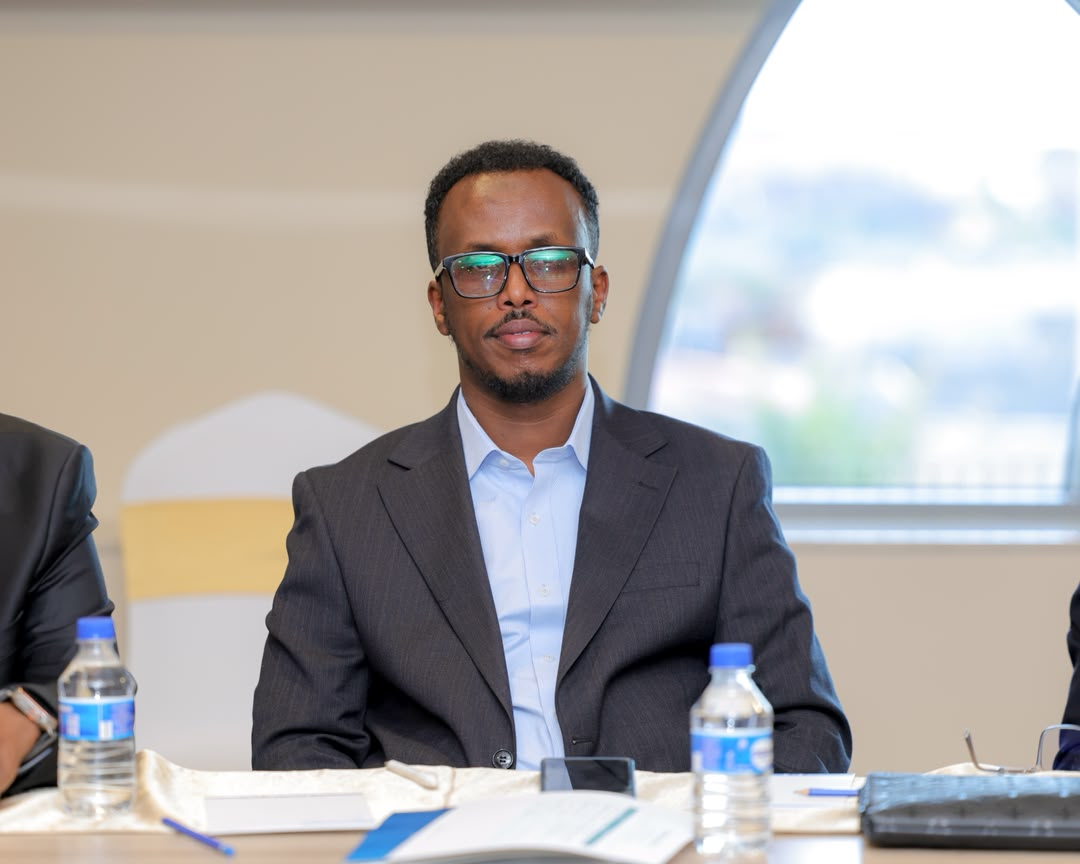
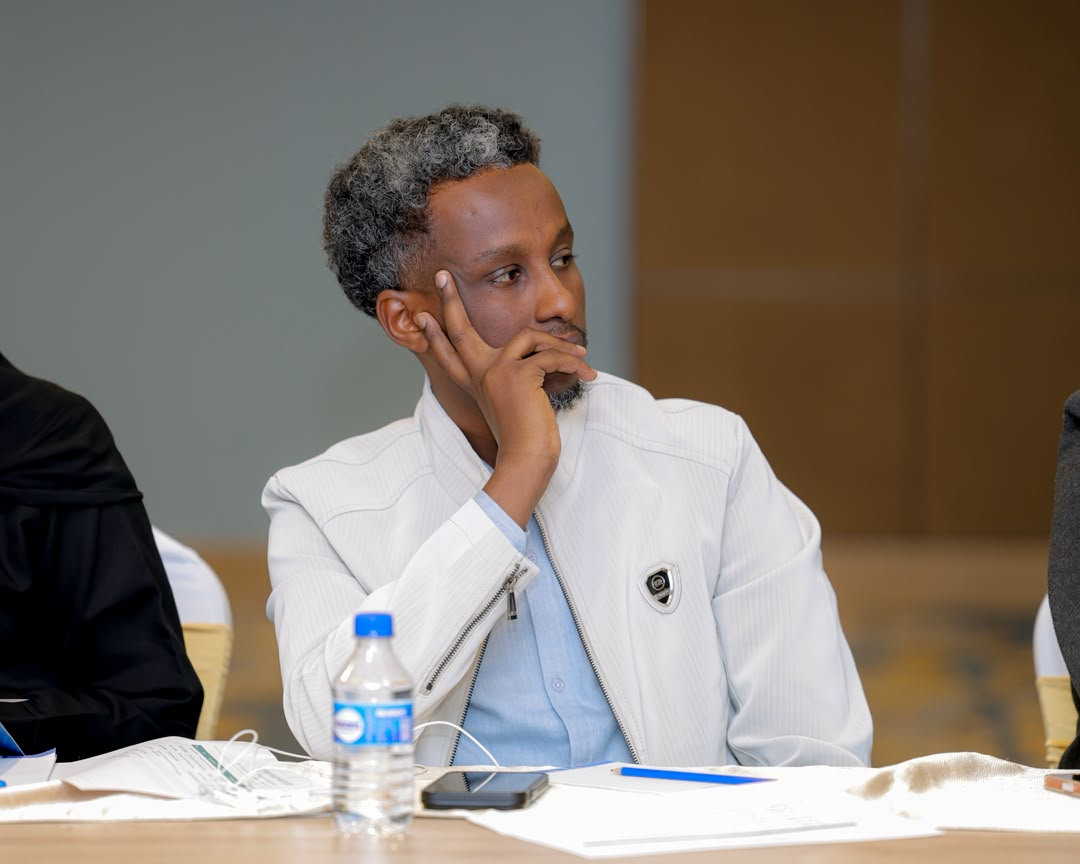
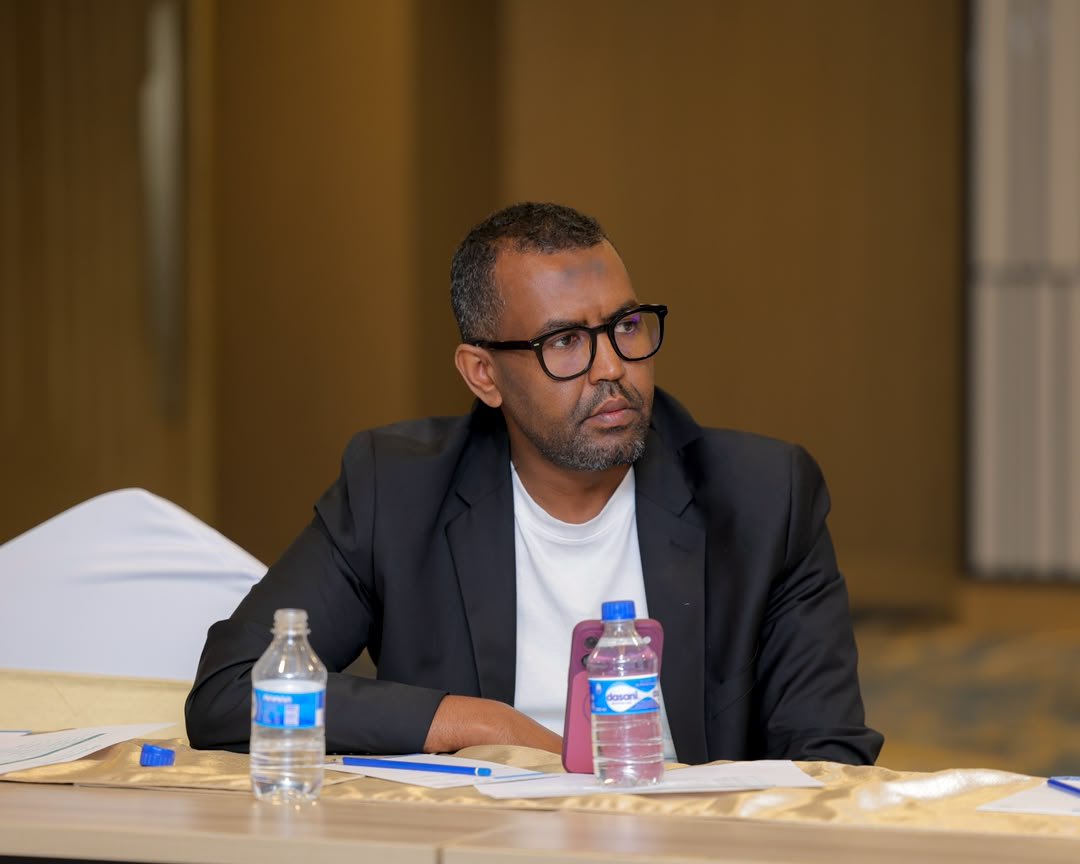
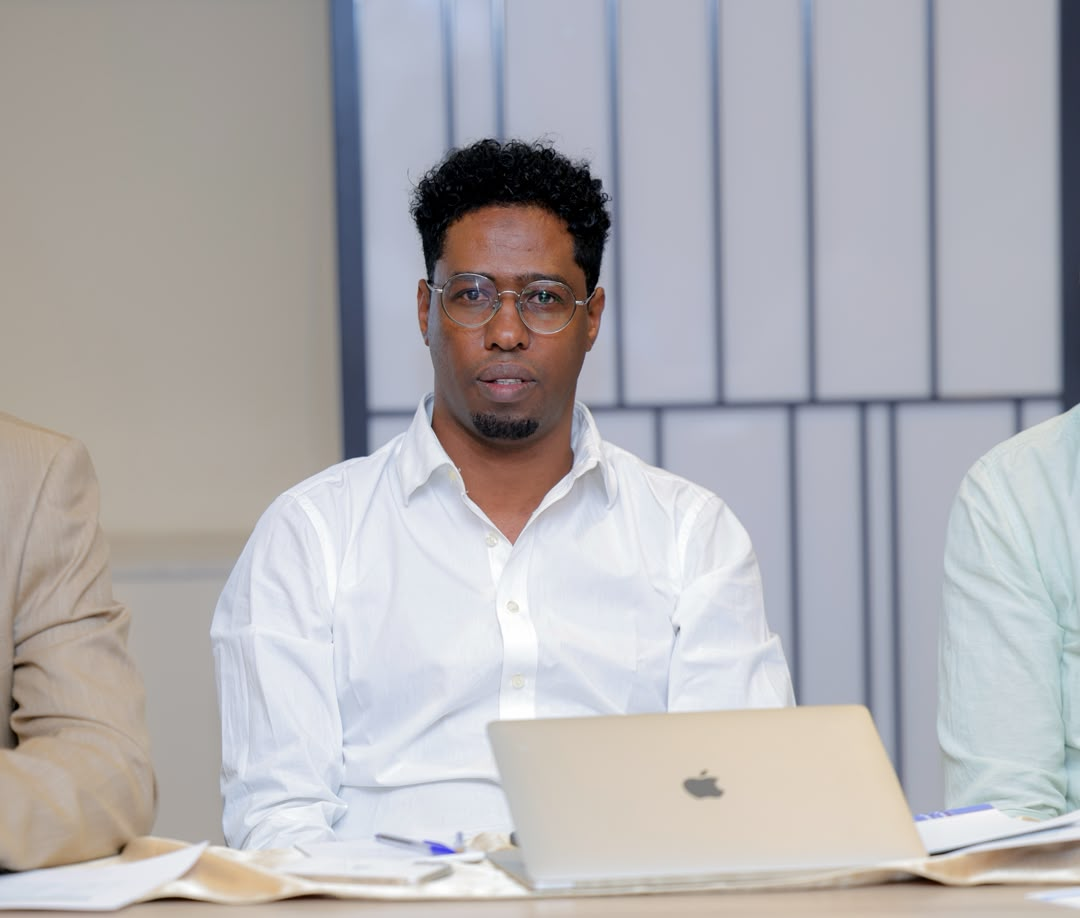
Photo Gallery: Somaliland Experts and Stakeholders Discuss Regional Security and Geopolitical Developments at Hargeisa Forum

HornPost Staff Reporter
info@hornpost.com
www.hornpost.com
HARGEISA, Somaliland