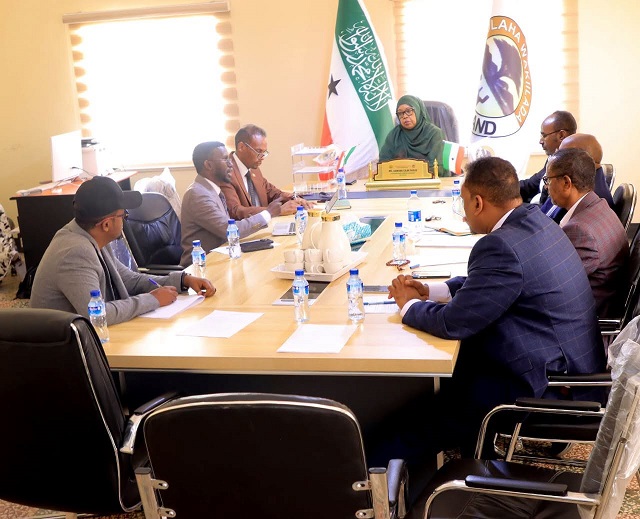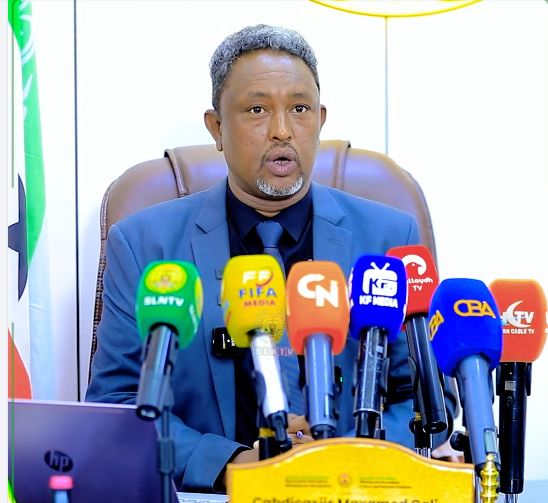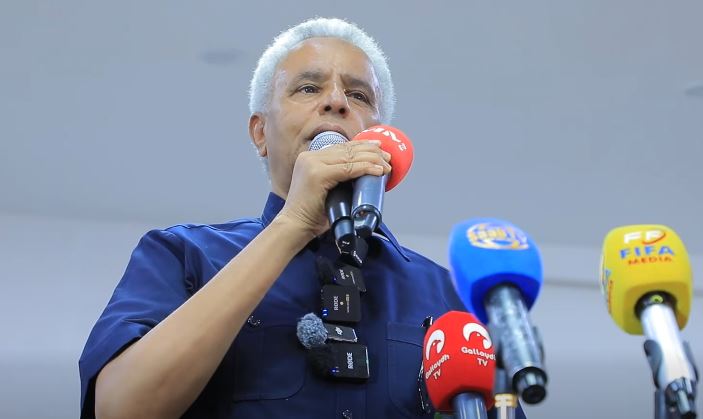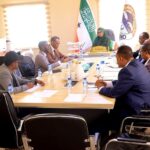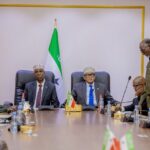

Hargeisa – (Hornpost) The Council of Ministers of the Republic of Somaliland held its 40th session on Monday at the Presidential Palace in Hargeisa, chaired by President Abdirahman Mohamed Abdilahi (Cirro) and attended by Vice President Mohamed Ali Aw Abdi.
The meeting reviewed eleven major national issues, ranging from civil service reforms and security, to drought, health conditions, investment, and humanitarian challenges.
- Government Employment System & HR Reforms:
The Chairman of the Civil Service Commission, Abdiasis Hirsi Warsame, briefed the Cabinet on reforms to government employment and civil service verification through the HRMIS digital system.
He reported that the first phase of data verification and management had been successfully completed and instructed ministries to prepare staff for formal verification.
He also noted that future recruitment will be led by the Civil Service Commission in line with the Civil Service Act.
- Nationwide Security Situation:
Interior Minister Abdalle Mohamed Carab said the country remains stable across all regions, with no major disturbances reported. He added that Somaliland is experiencing full political calm and security.
- State Revenue and Financial Management:
Deputy Minister of Finance Ismaill Mawlid Abdillahi reported that January–October revenue targets have been achieved, and tax collection is proceeding as planned.
He stressed that all public revenues must be paid directly into the national treasury, in accordance with Somaliland finance and revenue laws.
The Ministry has also conducted national economic surveys to strengthen data-driven planning.
- National Government Communication Strategy:
Presidency Minister Khadar Hussein Abdi presented a new government-wide communication system that aims to unify official messaging and improve information-sharing between state institutions in the digital era.
The strategy promotes a government working with “One Aim, One Voice.”
- Livestock & Drought Impacts:
Minister of Livestock Dr. Omar Shoaib warned that recurring droughts have severely affected livestock health, productivity and numbers, especially in eastern and Hawd regions.
He said a national response program is needed, as livestock remains the backbone of Somaliland’s economy.
- National Health Report:
Health Minister Dr. Hussen Bashir briefed the Cabinet on the spread of Diphtheria, Measles, and Malaria, and ongoing response measures including vaccination campaigns, awareness drives, and rapid treatment.
A nationwide “Big Catch-up” vaccination campaign has begun, mobilizing 533 teams and over 2,100 health workers to reach 182,000 children.
Digital medical systems such as DHI2 HIV Tracker and eIR immunization system have also been expanded.
- Somaliland Investment Summit
Investment Minister Saed Mohamed Burale said the summit achieved major success, attracting local and international investors, signing new MoU-s, and opening opportunities for jobs, partnerships and economic growth.
He said the event demonstrated Somaliland’s readiness for international investment.
- Fisheries & Marine Resources:
Fisheries Minister Ali Jama Farah reported progress in cold coastal storage and ice plants in Sanag and Awdal.
He also briefed the Cabinet on cooperation discussions with a visiting delegation from Yemen’s Ministry of Fisheries.
- Linking National Peace Projects and Peace Policy:
Planning Minister Kaltun Sheikh Hassan emphasized the need to unify peacebuilding programs under a national framework aimed at conflict prevention, public trust, justice, and regional cooperation.
- Situation of Internally Displaced Communities:
Minister of Displacement and Humanitarian Affairs, Saleban Duale, warned that drought continues to worsen living conditions for displaced families, especially regarding water, food and shelter.
He called for a nationwide solution beyond emergency aid.
- National Drought Update
Minister of Religion and Endowments, Sheikh Abdillaahi Bashe, speaking as a member of the National Drought Relief Committee, said drought conditions remain severe in the eastern regions, with water shortages escalating.
Relief efforts are being planned to support affected communities.
Summary:
The 40th Cabinet session focused heavily on:
drought and humanitarian needs, economic stability and revenue reforms, investment and job creation, national health and vaccination drives, strengthening government communication.
livestock protection and climate impact.
The government emphasized coordinated national planning, transparency in public revenue, and continued drought relief.
Facts on Somaliland ICT:
7th National ICT Expo held this year
Universities competing: Amoud, Gollis, University of Hargeisa, among others
Government priority: digital services, innovation hubs, e-governance
Sectors benefiting from ICT: business, banking, public services, education
Private partners: local telecom and tech firms.
Analysis:
The event highlights Somaliland’s increasing focus on digital transformation, alongside traditional sectors such as livestock and trade. While the country still faces infrastructure challenges, universities and private companies are investing in technology programs. The government sees ICT to modernize services, improve governance and encourage entrepreneurship among young graduates.
Telecom operators and local ICT companies have also expanded digital products in recent years, including e-payment systems, online services and data platforms.
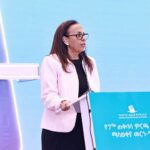
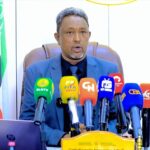
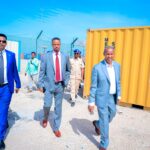
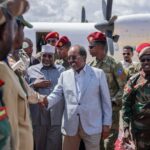
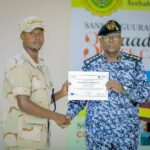
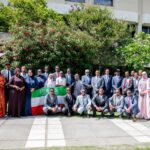
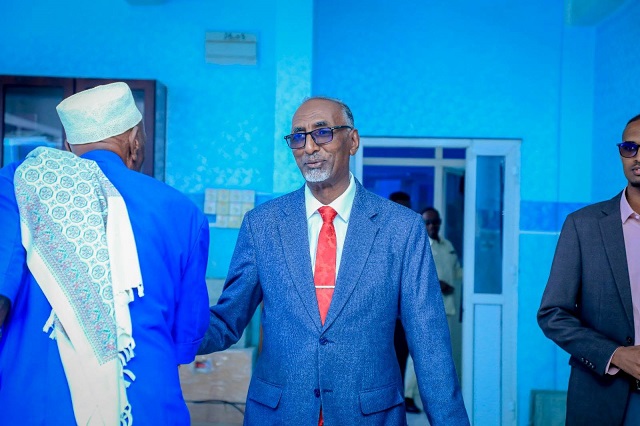
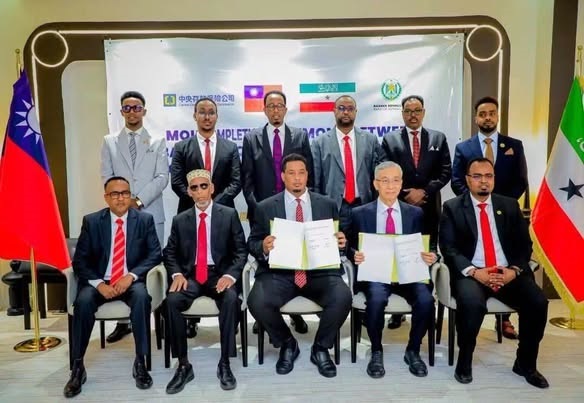
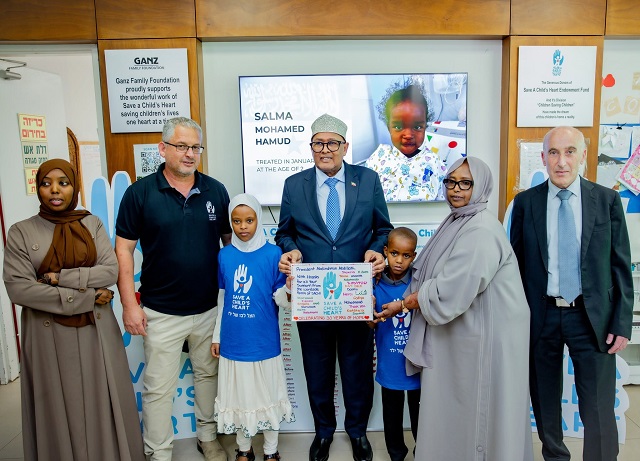
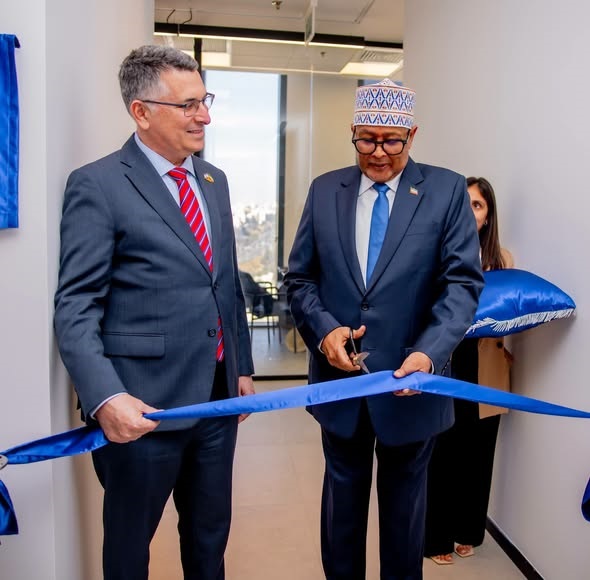
Pictures of the The Council of Ministers of the Republic of Somaliland:


Prepared by
Hornpost staff Reporter